
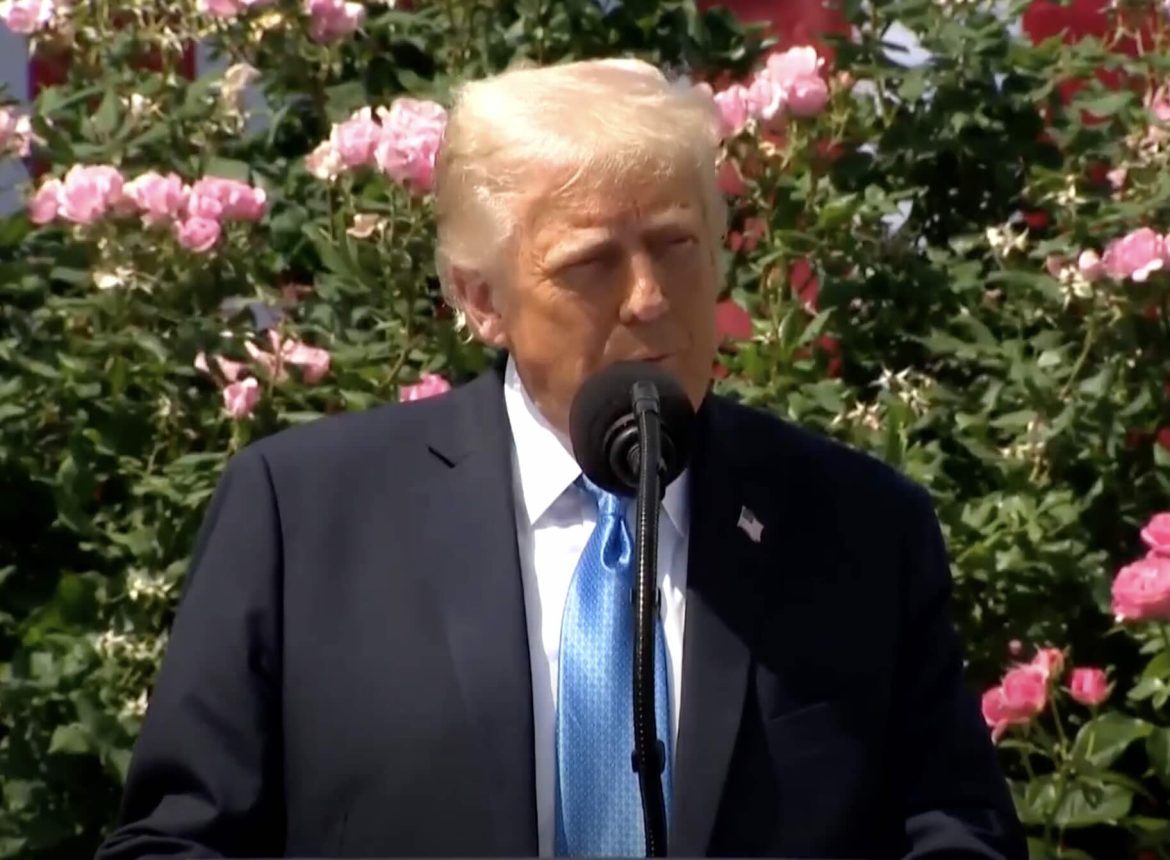
Following a telephone conversation with Russian President Vladimir Putin, U.S. President Donald Trump has reiterated his longstanding position that the war in Ukraine is a European issue, claiming that American involvement resulted solely from decisions made by his predecessor, Joe Biden.
While Trump did not go so far as to state that the United States would withdraw from diplomatic efforts, he emphasised that if the parties involved cannot reach an agreement, Washington may reconsider its engagement in the conflict resolution process.
In response to a direct question about his trust in Vladimir Putin, Trump affirmed that he does trust the Russian leader and believes he genuinely wishes to end the war. By contrast, Trump described Ukrainian President Volodymyr Zelenskyy as a “difficult interlocutor”. Despite this characterisation, the American president did not exclude the possibility of increasing arms deliveries to Ukraine, though he clarified that he is not actively considering it at present, citing his belief in the potential for a negotiated peace.
Trump also stated that he is not currently planning to impose new sanctions on Russia, arguing that such measures could hinder the ongoing peace efforts. He underlined his preference for facilitating a ceasefire and ending hostilities, which he suggested could be achieved through continued diplomatic engagement. This position appears to align with Moscow’s interest in prolonging negotiations during active military operations.
Notably, Trump disclosed that he had raised the prospect of a personal meeting with President Putin during their call, suggesting that such an encounter could help break the deadlock. However, he admitted that no concrete progress was made towards this goal during their conversation. Kremlin spokesperson Dmitry Peskov later indicated that no timeline had been set for agreeing on the so-called memorandum proposed by Putin in the call with Trump, implying that Russia would now delay both the formation of a negotiating delegation and the drafting of any agreement.
This deliberate stalling is consistent with past Kremlin tactics—particularly the use of prolonged procedural negotiations as a means of buying time while preserving the status quo on the battlefield. Russia’s approach may involve introducing unacceptable terms for Ukraine during the drafting process, potentially linking these terms to a ceasefire agreement, thus extending the war indefinitely.
Zelenskyy, in a subsequent briefing, stressed that Ukraine would do everything possible to keep the United States involved in the peace process. Nevertheless, Trump’s remarks suggest a preference for negotiations to proceed directly between Russia and Ukraine, without significant American participation, even in a mediatory role.
This shift in posture has raised concern among European leaders, particularly following a night-time Kremlin briefing by Putin on 10–11 May, which coincided with a visit by several European heads of government to Kyiv. Putin’s briefing was interpreted as a direct response to the European push for a ceasefire and as an effort to prevent the imposition of new Western sanctions.
Given Trump’s reluctance to coordinate further sanctions with Europe, European officials are said to be increasingly alarmed. They reportedly view Trump’s deference to Putin and his scepticism towards Ukraine as undermining transatlantic unity on the conflict.
Moreover, Trump’s response during and after the call appears to have reinforced key elements of Putin’s diplomatic strategy: maintaining negotiations amid active hostilities, avoiding new sanctions, and leveraging personal rapport to shape Washington’s approach. Putin’s willingness to engage in extended conversations with Trump—often lacking substantive outcomes—reflects a pattern in which the Kremlin seeks to delay Western responses while projecting an image of ongoing diplomacy.
Adding a personal dimension to the call, Trump reportedly asked Putin whether he respects him as much as he respects First Lady Melania Trump. While anecdotal, the exchange raises questions about the American president’s priorities and judgement during high-level diplomatic engagements. Kremlin sources have capitalised on this tone, emphasising their respect for Trump, congratulating him on the birth of his eleventh grandchild, and issuing polite references to his family—all common practices in Putin’s personalist style of diplomacy.
Analysts note that while Trump’s administration has not yet withdrawn from efforts to broker an end to the war, the president’s rhetoric suggests a diminishing appetite for direct involvement, particularly if Russia and Ukraine fail to reach swift agreement. Such a stance could allow Moscow to draw out the process indefinitely, under the guise of pending negotiations or unresolved procedural steps.
For now, Trump’s public statements indicate a position that, intentionally or not, complements Russia’s strategic aims—namely, to minimise international pressure, fragment Western consensus, and shift responsibility for conflict resolution onto Ukraine while securing favourable terms through attritional negotiation.
Whether Trump’s approach leads to a tangible outcome or merely prolongs the impasse remains to be seen. However, European leaders are preparing for the possibility that the United States may scale back its leadership role, thereby complicating collective Western efforts to end the conflict on terms acceptable to Kyiv.
Read also:
Trump’s Putin Call Sparks Alarm in Europe Amid U.S. Disengagement from Ukraine Talks

