
Eurogroup President Kyriakos Pierrakakis travelled to Washington on 13 April for the spring meetings of the International Monetary Fund and the World Bank, with the economic effects of the Middle East crisis, global growth risks and the EU’s investment agenda all expected to feature prominently in discussions.
The Council said in a press release that Pierrakakis would take part in the G7 Finance Ministers and Central Bank Governors’ Meeting, a range of IMF meetings, bilateral talks and media engagements during the week.
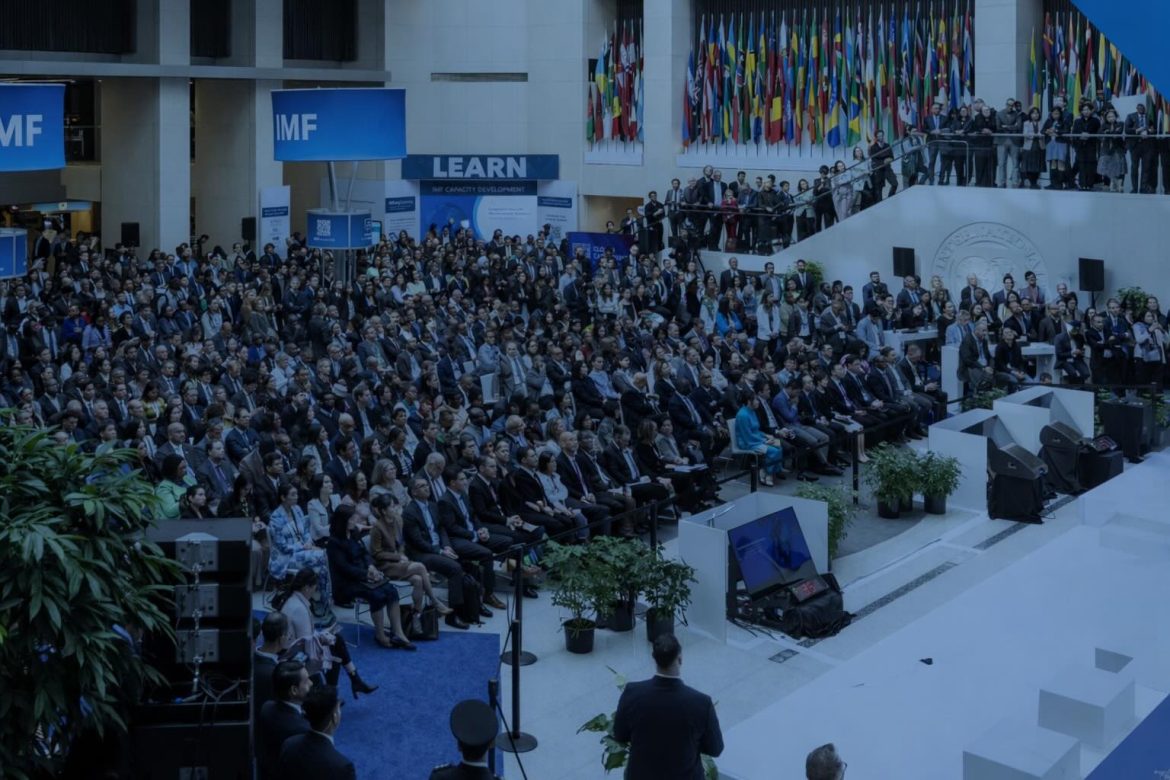
The timing is important. The 2026 IMF-World Bank Spring Meetings opens in Washington on 13 April and runs until 18 April, bringing together finance ministers, central bankers, development officials, private-sector executives and civil society representatives. According to the IMF and World Bank, the meetings are designed to address the state of the global economy, financial stability, development and broader international policy challenges.
In the Council statement, Pierrakakis said the crisis in the Middle East had already taken a toll on the economy, but argued that the euro area had shown resilience. He said a clear path to growth and structural reform was the best way to withstand future shocks, and described the IMF and World Bank as central institutions for steering the global economy through a more unstable period. He also said he would use the meetings to underline the Eurogroup’s commitment to more competitive financial markets capable of turning EU savings into productive investment.
That gives the trip a clear policy frame for Brussels. The Washington meetings are not simply a diary item. They offer the Eurogroup a platform to argue that the euro area remains relatively stable even as external pressures intensify, while also pushing a familiar internal message: Europe needs stronger growth, deeper capital markets and more effective channelling of private savings into investment. Pierrakakis’s remarks suggest the Eurogroup intends to present resilience and reform as two sides of the same policy argument rather than separate themes.
The official meetings agenda also points to why the trip matters now. The World Bank says the week’s key events include the Development Committee Meeting, the International Monetary and Financial Committee, and a wider set of discussions on international development, the global economy and financial markets. The IMF similarly describes the Spring Meetings as a forum for policymakers to discuss growth, financial stability and poverty reduction. In practice, that means the Washington sessions will provide an early test of how finance officials are reading the balance between geopolitical disruption and macroeconomic resilience this spring.
For the euro area, the immediate significance lies in the mix of external shock and internal reform pressure. Pierrakakis’s statement explicitly links the Middle East crisis to economic strain, but he also uses the trip to push a longer-running Brussels concern: that Europe must improve the efficiency of its financial system if it wants to finance growth and absorb future shocks more effectively. That is a familiar line in EU economic policy debates, but the Washington setting gives it added weight because it places euro-area priorities alongside wider global concerns over volatility, capital flows and growth prospects.
The trip also has institutional value. As President of the Eurogroup, Pierrakakis is representing euro-area finance ministers in a setting where the EU’s voice competes with other major economic actors, including the United States, the G7 and emerging-market groupings. The Council statement makes clear that his programme includes not only formal meetings but also bilateral contacts and public engagements, suggesting that the visit is intended to reinforce the Eurogroup’s external profile as well as to participate in the technical policy discussions of the week.

