
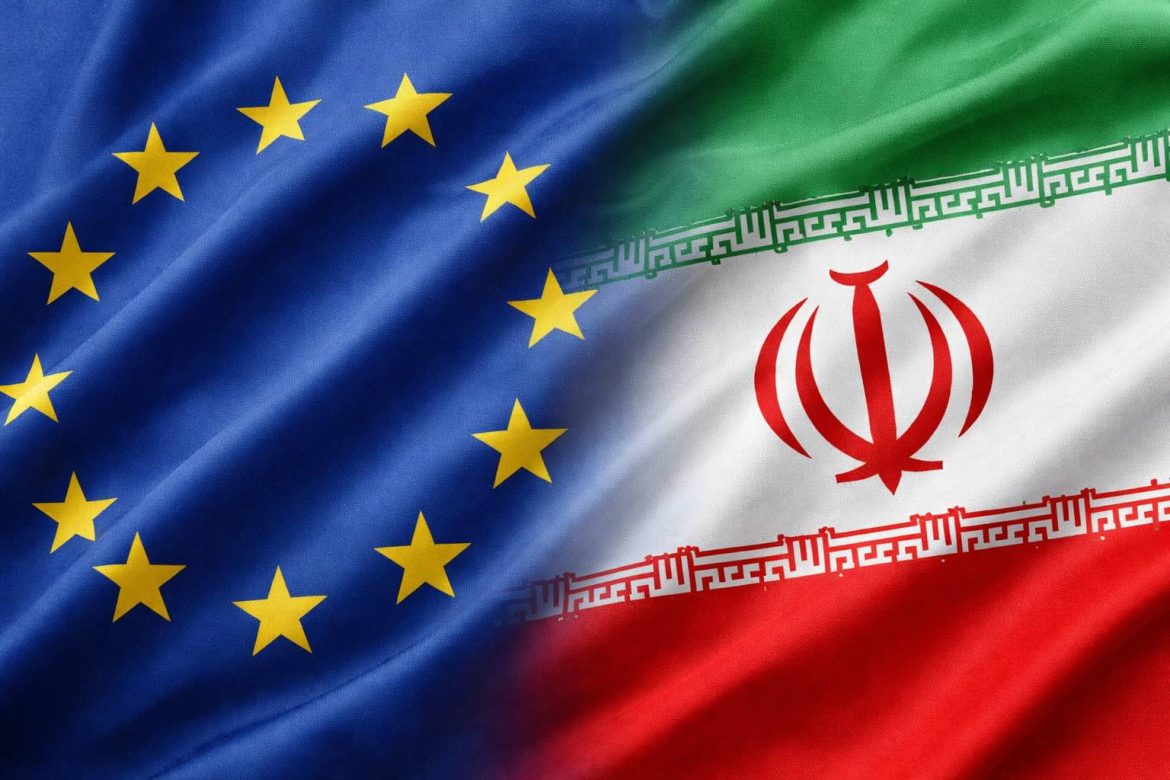
EU foreign ministers have agreed to place Iran’s Islamic Revolutionary Guard Corps (IRGC) on the bloc’s terrorist list, a step that aligns the EU more closely with partners that have already designated the force and sharpens the legal tools available to European authorities.
The decision was taken in Brussels on Thursday, 29 January 2026, following days of indications that the remaining sceptical capitals would not block the move. The listing was coupled with a fresh round of Iran-related sanctions targeting officials and entities linked to the state’s response to recent unrest and to aspects of Iran’s drone and missile programmes.
Kaja Kallas, the EU’s High Representative for foreign affairs, said ministers expected to agree the IRGC listing and described it as a signal that “if you act as a terrorist, you should also be treated as a terrorist”. In the same remarks, she said the EU was adding “new sanctions” and pointed to reported deaths during protests and the “means that were taken by the regime” as factors behind the decision.
Ministers reached agreement to include the IRGC on the EU terrorist list, placing it alongside groups such as Islamic State and al Qaeda and describing the move as a symbolic shift in Europe’s approach to Iran’s leadership.
What the listing changes
The EU’s terrorist-listing framework enables the freezing of funds and financial assets, restricts the provision of funds or economic resources, and facilitates police and judicial cooperation across member states in criminal matters. These measures apply to individuals, groups and entities placed on the list.
In practice, the impact will depend on the presence of IRGC-linked assets and networks within EU jurisdictions and the extent to which member states pursue investigations and enforcement. The IRGC is both a military organisation and a powerful economic actor inside Iran, with influence across sections of the security apparatus and parts of the economy.
New sanctions adopted alongside the designation
Alongside the terrorist listing, the EU adopted sanctions targeting 15 individuals and six entities whom the Council said were “responsible for serious human rights violations in Iran”. Those sanctioned included Iran’s Interior Minister Eskandar Momeni, Prosecutor General Mohammad Movahedi Azad, a presiding judge, IRGC commanders and senior law enforcement officials.
The package also covered organisations and companies that the EU said were involved in online censorship, coordinated harassment, disinformation activity, and the development of surveillance and repression tools that contributed to disruptions of internet access.
In addition, the EU sanctioned four individuals and six entities connected to Iran’s drone and missile programme and extended export restrictions to cover further components and technologies used in developing and producing unmanned aerial vehicles and missiles.
Why the EU moved now
The IRGC listing has been debated in the EU for years. In early 2023, Josep Borrell, then the EU’s foreign policy chief, argued that the EU could not list the IRGC without a decision by a “competent authority” such as a national court, reflecting the legal requirements built into the EU’s terrorist-list regime.
In recent weeks, pressure rose again inside the EU as member states cited Iran’s response to a nationwide protest movement and pushed for tougher measures. Momentum increased after a crackdown earlier this month, during which thousands were reported killed, and France and Italy, previously reluctant, backed the listing this week.
Diplomatic channels and Iran’s response
Some member states had warned that a terrorist designation could narrow diplomatic space and expose European interests in Iran. Kallas sought to address those concerns, saying the “diplomatic part” was outside the listing and that interactions with Iran’s foreign minister were not covered, adding that the assessment was that diplomatic channels would remain open. Italy’s foreign minister, Antonio Tajani, told Reuters that the agreement did not preclude continued dialogue.
Iran condemned the move. Foreign Minister Abbas Araqchi criticised the decision on social media, calling it a “major strategic mistake” and saying Europe’s posture was damaging to its own interests.

