
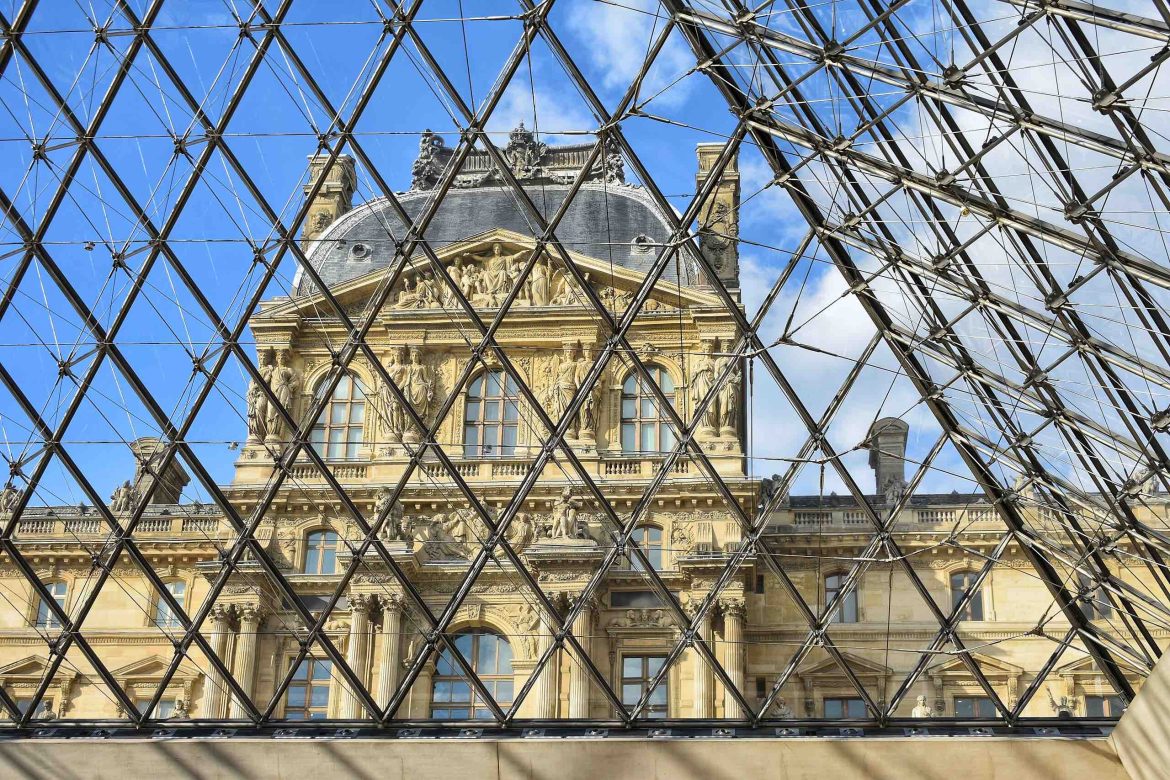
The Louvre, the world’s most-visited and arguably most revered cultural institution, remained shuttered this week as museum workers weighed the prospect of extending a strike that has thrown one of France’s proudest national treasures into turmoil.
The extraordinary closure, unfolding in the run-up to the peak Christmas holiday season, has drawn global headlines and underscored deep-seated tensions between staff and management over working conditions, security failures and the future direction of the institution.
On Monday morning, tourists clutching tickets and dreams of seeing the Mona Lisa or the ancient Greek sculptures that populate the Louvre’s vast galleries were greeted instead by shuttered doors and the sight of union banners fluttering beside the museum’s iconic glass pyramid.
The closure came after a general assembly of around 400 employees — a significant minority of the Louvre’s roughly 2,200-strong workforce — voted unanimously to begin a renewable strike in protest at what they describe as deteriorating working conditions, chronic understaffing and a lack of sufficient investment in the museum’s ageing infrastructure.
“This workplace has reached a breaking point,” said a security guard, Elise Muller, speaking outside the museum. “We are here to protect these treasures, but there aren’t enough of us on the ground, and the conditions under which we are expected to work have become untenable.”
A Catalogue of Crises
The museum’s woes are not confined to labour unrest. In October, a brazen daylight heist saw thieves make off with crown jewels and other priceless artifacts — a theft that exposed glaring weaknesses in the Louvre’s security apparatus and sparked national outrage. Investigations subsequently revealed gaps in surveillance and control room coordination, prompting a Senate inquiry and fierce scrutiny of management practices.
Barely a month later, a severe water leak damaged hundreds of rare books in the museum’s Egyptian antiquities department — a further indication, critics argue, of the pressing need for both improved maintenance and investment in the museum’s ageing fabric.
Against this backdrop of insecurity and infrastructure stress, workers say their concerns have too often been overshadowed by high-profile projects and revenue-raising initiatives. Among these is a planned 45 per cent increase in ticket prices for non-European Union visitors — a move designed to help finance much-needed renovations but one that has become another flashpoint in the dispute.
“We know that millions come through these doors every year,” one union representative said. “But the focus on profits, on ticketing strategies, cannot come at the expense of the people who make this museum run or the safety of the collection itself.”
Unions and the Wider Debate
Three major French unions — the CFDT, CGT and Sud — have coordinated the action, framing the strike as a fight not just for better pay and conditions, but for respect and recognition from an institution that staff say has been slow to respond to their concerns. It is a familiar drama in France, a country where the right to protest is deeply embedded in political life, yet it is striking for its implications for one of the nation’s most high-profile cultural ambassadors.
Trade union flags and banners declared the Louvre a “last bastion before collapse,” language that resonated with Parisian commuters and tourists alike as news of the closure spread internationally. For many visitors, the irony is painful: the Louvre, a symbol of civilisation and heritage, finds itself locked out from the world by disputes over the very conditions that sustain it.
Culture Minister Rachida Dati, while expressing regret at the disruption, has sought to strike a conciliatory tone. The ministry has appointed Philippe Jost — the architect who oversaw the restoration of Notre-Dame Cathedral after the 2019 fire — to conduct a comprehensive review of the Louvre’s organisational structure, with recommendations due early next year. The intention is to balance urgent internal reforms with an acknowledgment of the institution’s global significance.
Yet the unions remain sceptical. For them, the appointment of an external figure, while welcome in principle, does not replace the fundamental changes they say are necessary: more staff, better conditions, and a role in steering the museum through the challenges of the digital age, ever-increasing visitor numbers and the pressures of cultural tourism.
Disappointment and Diplomacy
For visitors who had planned trips to the museum this week, the strike has been a source of frustration and disappointment. Many had booked flights and hotels with the Louvre as the centrepiece of their Paris experience, only to find themselves shut out. “This was the highlight of our holiday,” said a visitor from Sacramento, California, who asked not to be named. “But I understand why they are doing it. You can’t expect people to keep working without proper support.”
Tour operators and hotels in the area are meanwhile closely watching developments, aware that prolonged closures could have knock-on effects on Paris’s already struggling tourism sector — a vital component of the city’s economy. For the Louvre, a balance must be struck between meeting the demands of its workforce and preserving its place as a global beacon of art and culture.
As staff prepare to reconvene mid-week to decide on the possibility of extending the strike, France’s cultural establishment watches with bated breath. The outcome will not only shape the immediate future of the Louvre but may redefine the relationship between labour, management and the state in one of the world’s most iconic institutions.
Main Image: By Babyaimeesmom – Own work, CC BY-SA 4.0, https://commons.wikimedia.org/w/index.php?curid=72873691
Paris Cancels New Year — This Is What Capitulation Looks Like
Click here for more News & Current Affairs at EU Today
Click here to check out EU TODAY’S SPORTS PAGE!
_____________________________________________________________________________________________________________________________

