
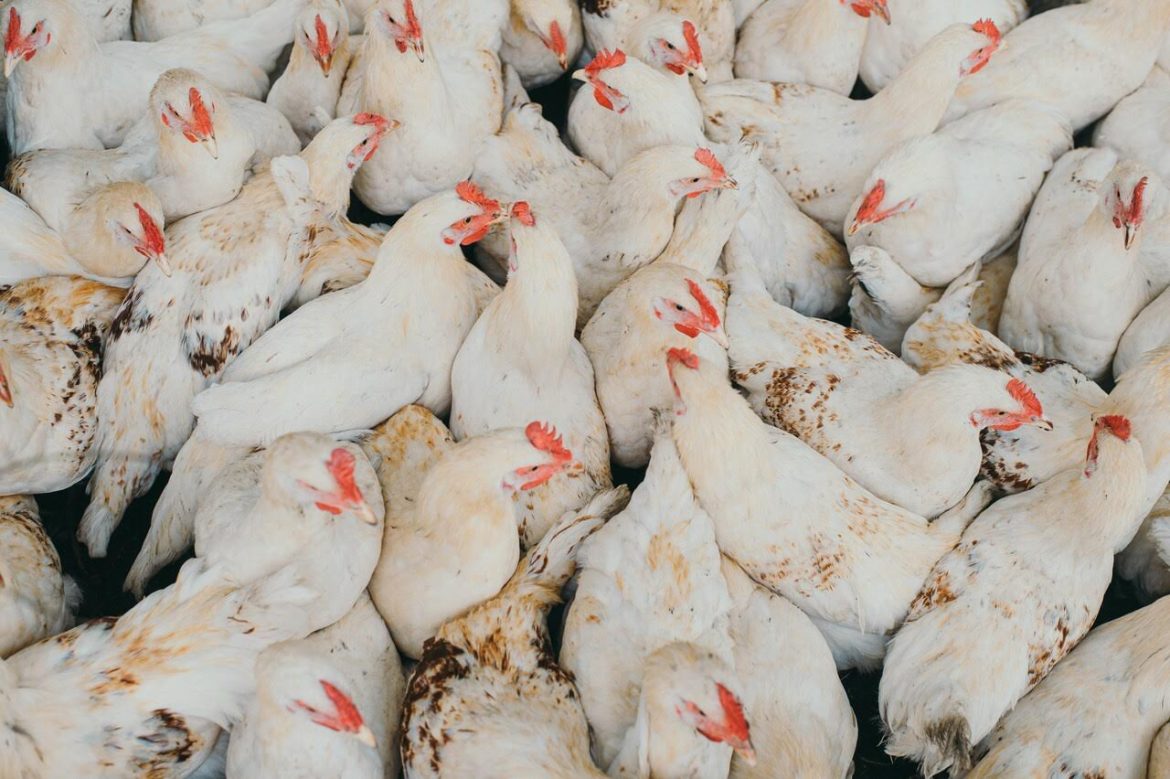
In Poland, a quiet agricultural crisis is unfolding. Millions of birds have been culled in a desperate bid to contain the spread of avian influenza.
Far from merely a disease management issue, it is a symptom of deeper structural fragilities in Europe’s industrial food system. High-density, genetically uniform farms, engineered for efficiency and profit, have become breeding grounds for viral outbreaks. And yet, even as these cracks widen, Europe continues to chase superficial solutions.
To be fair, the EU has shown its capacity to take the right decisions on many occasions. Case in point is Nutri-Score, a controversial front-of-package food label long pushed by France to become the European FOP standard. However, the labelling scheme has now been quietly shelved following the formation of the new Commission.
Without a doubt, this is a major victory for traditional food producers and critics who decried the system’s reductive logic: Nutri-Score oversimplifies complex nutritional realities into a rainbow of colours, often penalising traditional foods in the process—cheeses, oils, cured meats—regardless of their role in a balanced diet.
It’s malignant influence lingers on, however, now that it has been weaponised by powerful retailers such as Carrefour, who use the labels to name and shame brands, push delistings, and nudge consumer choices based on an overly narrow view of health.
But if the timely abandonment of Nutri-Score is a step forward in food and agriculture policy, then Brussels is taking, unnecessarily, two steps backwards. Under the guise of reducing red tape, the European Commission is now pushing a so-called simplification package for agriculture—a proposal that weakens environmental conditions for subsidies, exempts small farms from key checks, and raises payment caps, all while claiming to enhance resilience.
Agriculture Commissioner Christophe Hansen insists that the reforms will help farmers adapt to climate change and recover from natural disasters. But the package does nothing to address the root causes of fragility in the farming sector. It continues to pour money into the same high-output, low-resilience systems that have repeatedly proven vulnerable to shocks—be they viral, climatic, or economic.
Poland’s poultry sector illustrates this vividly. As a vital pillar of the economy and rural employment, it has been built around high-intensity production models—densely packed sheds of genetically identical birds, primed for rapid growth. When a virus strikes, these environments become amplifiers. The response? Mass culling, even of healthy animals, in an attempt to stem contagion. It’s a brutal stopgap for a broken system.
The lack of clear, transparent communication about the realities of production leaves consumers unaware of the vulnerabilities baked into the food they eat. More importantly, the EU’s policy direction suggests it still prefers band-aids over structural reform. The failure to address root causes like genetic homogeneity, over-consolidation, and environmental degradation threatens not just agriculture, but Europe’s broader food security.
Zoonotic risks are on the rise. Diseases like bird flu are mutating and crossing species barriers. The recent spread of foot-and-mouth disease in Croatia and neighbouring countries is a stark reminder: our system is increasingly brittle, and the margin for error is narrowing.
The irony is that real solutions exist. Resilience doesn’t come from deregulating or doubling down on efficiency. It comes from rethinking the system: supporting smaller, mixed farms; decentralising production; investing in genetic diversity and humane, sustainable practices. These models aren’t just more ethical—they’re more stable, more adaptable, and better aligned with long-term public health and environmental goals.
Europe is at a crossroads. Having abandoned its most visible food labelling scheme, it has a chance to move beyond empty gestures and commit to real reform. But that will require political will and a recognition that the true health of a food system lies not in what’s printed on a package, but in how, where, and why food is produced.
Photo by Egor Myznik on Unsplash

