
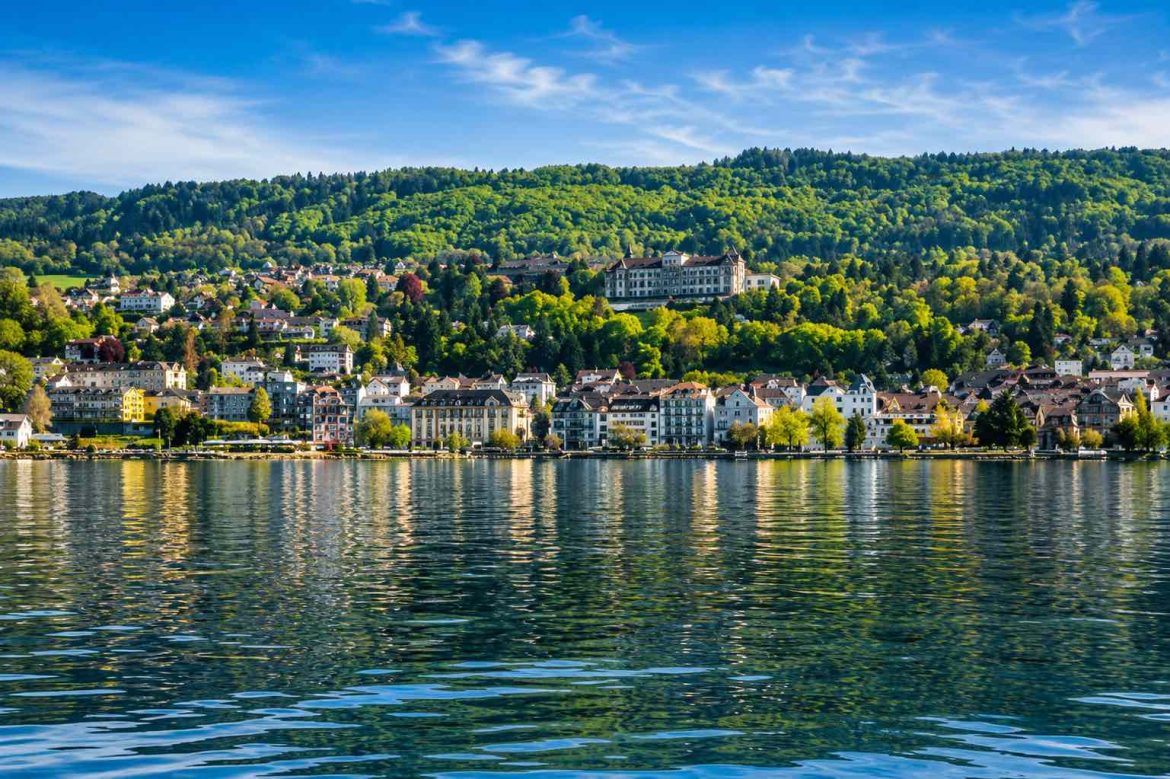
As leaders of the Group of Seven (G7) gathered on the shores of Lake Geneva this week, the mood was markedly different from what many had anticipated only days earlier.
Instead of preparing for an emergency summit dominated by the prospect of a widening Middle East conflict, officials arrived in Évian-les-Bains against the backdrop of an unexpected diplomatic breakthrough: a preliminary agreement between the United States and Iran aimed at ending months of war.
The announcement has reshaped the agenda of the three-day summit, offering both relief and fresh uncertainty. While the prospect of an end to hostilities has buoyed financial markets and eased concerns over energy supplies, G7 leaders remain acutely aware that the agreement represents the beginning of a difficult process rather than its conclusion.
For President Emmanuel Macron, hosting what may be his final G7 summit, the timing is both fortunate and challenging. France had hoped to focus discussions on longer-term structural concerns confronting advanced economies: sluggish productivity growth, the regulation of artificial intelligence, climate financing and reform of international institutions. Instead, geopolitics has once again asserted itself.
The preliminary accord between Washington and Tehran, brokered with the assistance of regional intermediaries, includes provisions for reopening the Strait of Hormuz and establishing a 60-day ceasefire during which broader negotiations are expected to continue. Crucial questions surrounding Iran’s nuclear ambitions, sanctions relief and regional security arrangements remain unresolved.
That ambiguity has done little to diminish the immediate reaction of markets. Oil prices fell sharply following the announcement, reflecting expectations that one of the world’s most strategically important shipping corridors could soon return to normal operations. European equities rose in response, while policymakers welcomed the prospect of reduced inflationary pressure after months of energy market volatility.
Yet beneath the market optimism lies considerable scepticism.
Veteran diplomats note that previous efforts to stabilise relations with Tehran have frequently foundered over implementation. The political obstacles are substantial. Any comprehensive settlement addressing Iran’s nuclear programme is likely to encounter resistance from factions in both Washington and Tehran. Regional allies, meanwhile, are watching developments closely, anxious that their own security concerns are not sidelined in the pursuit of a broader accommodation.
The summit’s other major geopolitical challenge — the war in Ukraine — remains unresolved. President Volodymyr Zelenskiy is expected to press leaders for continued military and financial support as Kyiv confronts renewed Russian pressure. European governments increasingly fear that attention diverted towards the Middle East could weaken international resolve regarding Ukraine.
The return of Donald Trump to the G7 stage adds another layer of complexity. Allies remain uncertain about Washington’s longer-term strategic commitments, particularly given Trump’s transactional approach to international diplomacy. While his administration has secured an apparent breakthrough with Iran, questions persist about the durability of US engagement in multilateral institutions and alliances.
China also looms large over discussions. Leaders are expected to revisit concerns over industrial overcapacity, critical minerals supply chains and economic dependence on Beijing. The inclusion of invited nations such as India, Brazil, Kenya and South Korea reflects a broader recognition that many contemporary challenges cannot be addressed solely within the traditional G7 framework.
The symbolism of Évian itself is difficult to ignore. The Alpine resort hosted an earlier G8 summit in 2003, another period defined by strategic uncertainty following the Iraq War. More than two decades later, many of the same questions endure: how to reconcile national interests with collective action; how to preserve international stability amid shifting power balances; and whether institutions designed for an earlier era remain fit for purpose.
The tentative US-Iran agreement has undoubtedly altered the atmosphere of this year’s gathering. It has not, however, diminished the scale of the challenges confronting the world’s leading democracies.
If anything, it has served as a reminder that diplomacy rarely delivers definitive endings. More often, it creates opportunities — fragile, contested and temporary — that require sustained political will to transform into lasting peace.
As the G7 leaders convene beside Lake Geneva, they do so with a welcome reprieve from immediate crisis. Whether that respite evolves into something more durable remains one of the defining questions of the summer.
Click here for more News & Current Affairs at EU Today
Click here to check out EU TODAY’S SPORTS PAGE!
___________________________________________________________________________________________________________________

