
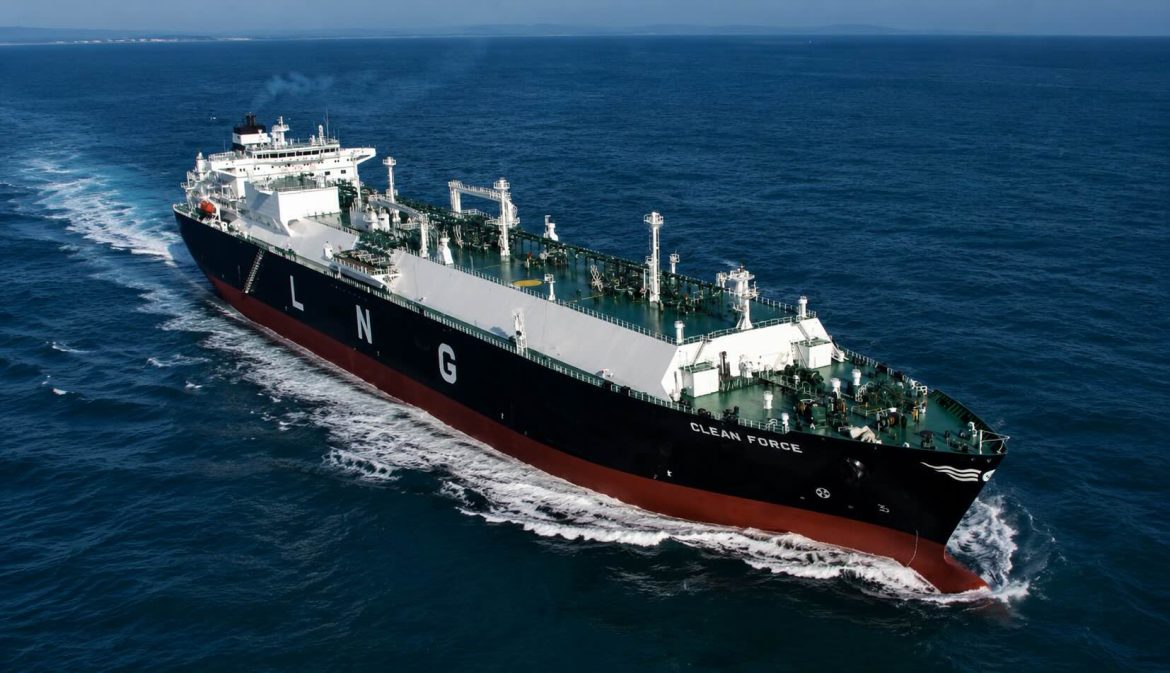
Athens’ defence of a Greek-linked LNG shipping company shows how national commercial exposure can still shape the timing and content of EU sanctions against Russia.
Greece has delayed agreement on the European Union’s 21st Russia sanctions package amid concern over measures that would affect Dynagas, a Greek shipping company with a specialised role in Russian liquefied natural gas transport.
The dispute, reported by the Financial Times, concerns proposed restrictions on the transport of Russian LNG to third countries. Athens has argued that the measure could severely damage Dynagas, whose fleet includes ice-class tankers used around the Yamal LNG project. The company is linked to Greek shipping magnate George Prokopiou.
The sanctions package is broader than the Dynagas issue. It includes measures aimed at Russian energy revenue, financial channels, banks, cryptocurrencies and defence-related entities. But the shipping dispute has become a practical example of how a single national interest can slow an EU-wide sanctions package when unanimity is required.
EU foreign policy chief Kaja Kallas said earlier this week that there was no agreement yet on the 21st package, although negotiations were continuing. EU Today has already examined the wider sanctions deadlock, but the Greek intervention adds a sharper commercial dimension: the enforcement of energy sanctions is now colliding with the structure of Europe’s own shipping industry.
The issue is not simply that one member state wants an exemption. Greek shipping occupies an unusually important place in global energy logistics. Tankers, insurers, brokers, managers and service providers have helped keep seaborne trade moving even as Europe has tried to reduce Russian revenue. When sanctions reach deeper into maritime services, they inevitably touch companies and national economies that have benefited from that trade.
The Dynagas case is especially sensitive because Arctic-capable LNG tankers cannot easily be redeployed. These vessels are expensive, technically specialised and designed for particular routes and ice conditions. If sanctions block their existing work without a viable alternative, Athens argues that the cost would fall disproportionately on a Greek company rather than on Russia.
Other EU governments are likely to see the argument differently. Every sanctions package imposes costs somewhere inside the Union. Energy-intensive industries, banks, ports, insurers and food exporters have all faced disruption since 2022. If each government protects its most exposed firms, the sanctions regime becomes slower, narrower and easier for Moscow to anticipate.
The politics are made harder by the fact that Russian LNG remains an uncomfortable part of Europe’s sanctions debate. The EU has reduced dependence on Russian pipeline gas, but LNG and related services have proved more difficult to eliminate quickly. Measures that target third-country transport are designed to reduce Russian revenue beyond the EU market, but they also test the willingness of European capitals to restrict their own commercial operators.
For Brussels, the Greek objection underlines a recurring weakness. Sanctions are often presented as collective strategic policy, yet they are negotiated through national veto points. That gives each government leverage to seek changes, delays or carve-outs when domestic interests are affected.
The result is a familiar pattern: political agreement on the need to pressure Russia, followed by technical disputes when specific companies, cargoes or services are named. The Dynagas dispute shows that the hardest sanctions are no longer symbolic. They are the measures that reach into the business models still connected, directly or indirectly, to Russia’s war economy.
__________________________________________________________________________________________________________________
Click here for more News & Current Affairs at EU Today
Click here to check out EU TODAY’S SPORTS PAGE!
___________________________________________________________________________________________________________________

