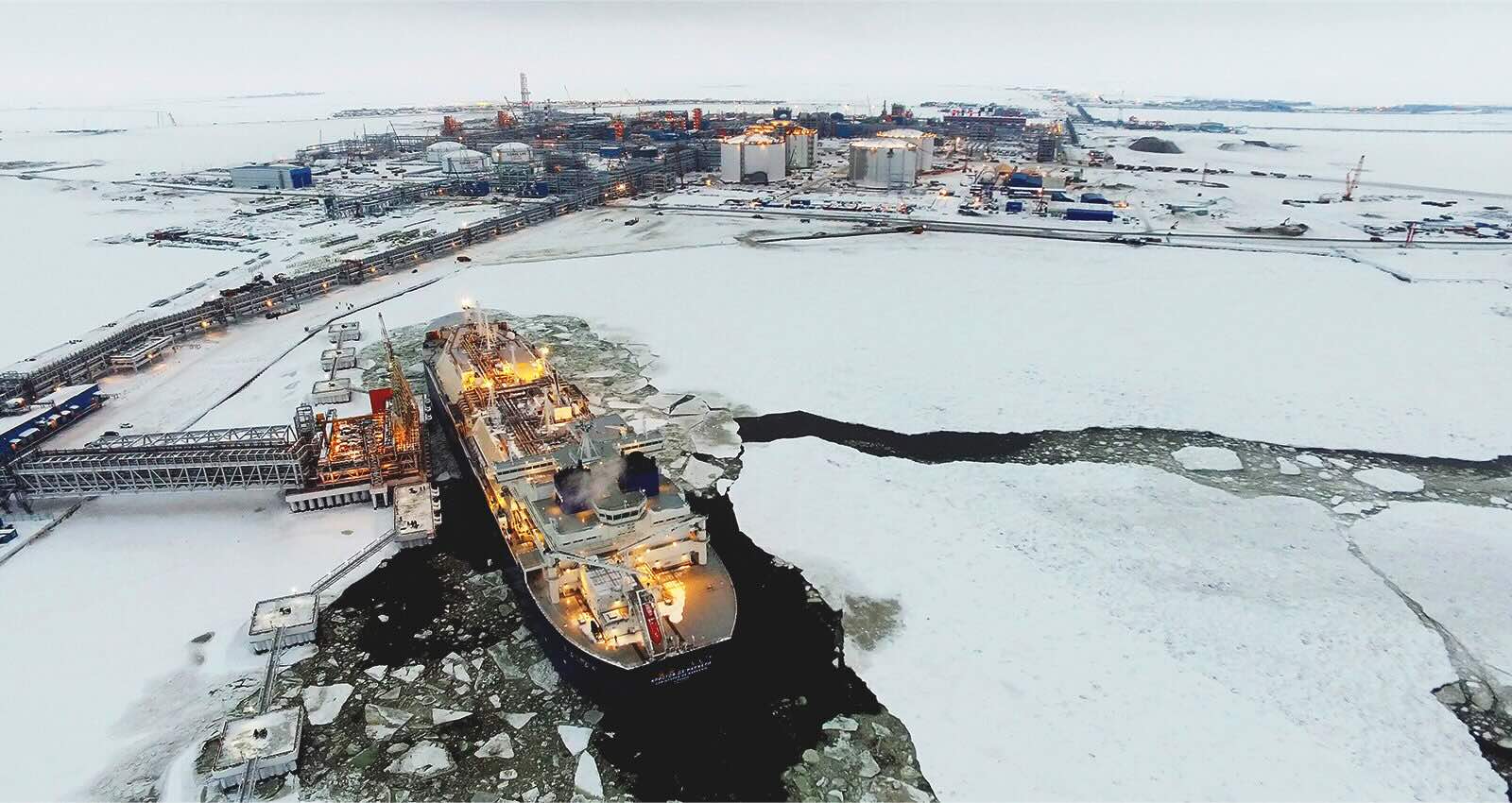
A clarification from the European Commission means EU-based companies will not be able to trade or market Russian liquefied natural gas anywhere in the world from 2027, closing a possible route for firms holding long-term contracts with Russian suppliers.
The European Union’s planned ban on Russian liquefied natural gas will apply not only to imports into the bloc, but also to trading and marketing by EU-based companies outside Europe, according to a clarification from the European Commission.
The position, set out in a letter from the office of Energy Commissioner Dan Jørgensen and reported by Reuters, removes an important ambiguity for European energy companies with long-term exposure to Russia’s Yamal LNG project.
The clarification means that from 2027 EU operators will be prevented from reselling Russian LNG to buyers outside the EU. That closes a route some companies had expected to use to manage existing contracts after the bloc’s phase-out of Russian gas supplies takes effect.
The issue is commercially significant because several European companies still hold contractual or equity exposure linked to Russian LNG. TotalEnergies has a 20 per cent stake in Yamal LNG, where Russia’s Novatek is the controlling shareholder. Germany’s SEFE and Spain’s Naturgy have also been identified as companies with long-term contractual arrangements involving Russian LNG.
Until now, one possible interpretation was that EU companies might be barred from bringing Russian LNG into Europe, but could continue to trade cargoes internationally. The Commission’s clarification narrows that option. It indicates that the ban will apply to the activity of EU-based companies themselves, not only to the destination of the cargo.
That distinction matters. A ban limited to EU imports would have allowed companies to redirect cargoes to Asia or other non-European markets while remaining technically outside the import prohibition. A wider ban on trading and marketing removes that flexibility and forces companies to confront the legal and financial consequences of their contracts more directly.
The EU has already approved a stepwise prohibition on Russian gas imports as part of its wider effort to end energy dependence on Moscow. According to the Council of the European Union, a full ban on Russian LNG imports is due to take effect from the beginning of 2027, while pipeline gas imports are to be phased out later in 2027.
The policy follows the EU’s broader attempt to reduce Russian energy revenues after Moscow’s full-scale invasion of Ukraine. Since 2022, the bloc has moved away from Russian pipeline gas and increased reliance on LNG from other suppliers, including the United States and Qatar, as well as pipeline gas from Norway and other partners.
But the LNG clarification highlights a less visible part of the energy break with Russia: the contractual aftermath. Long-term LNG agreements were not designed for a sanctions environment in which the buyer may be legally prevented from importing, trading or marketing the cargo. Companies must now consider whether they can terminate contracts, invoke force majeure, renegotiate terms, or absorb financial losses.
Naturgy has already warned in corporate disclosures that the ban could affect substantial contractual obligations. TotalEnergies has also indicated that its options may include divestment if it cannot manage Russian LNG cargoes internationally. The issue is therefore not only about physical supply, but about balance-sheet exposure, shareholder risk and possible disputes with Russian counterparties.
For Brussels, the clarification strengthens the credibility of the Russian gas phase-out. If EU companies were allowed to continue marketing Russian LNG globally, Moscow could still benefit from European commercial networks, even if the fuel no longer entered EU ports. A wider interpretation makes the policy harder to circumvent and aligns commercial conduct with the political objective of cutting Russian energy revenues.
However, the approach also increases the likelihood of legal and financial complications. Companies may argue that EU law prevents performance of contracts signed before the ban, while Russian suppliers may contest non-performance or seek damages under contractual arrangements. Much will depend on the wording of individual contracts, applicable law, sanctions clauses and force majeure provisions.
There is also a market dimension. Russian LNG currently accounts for a smaller part of Europe’s energy supply than Russian pipeline gas once did, but LNG markets remain global. If EU firms withdraw from trading Russian cargoes, those volumes may be redirected through non-EU intermediaries. That would reduce European exposure, but it may not fully remove Russian LNG from international markets.
The clarification therefore raises a familiar sanctions problem: the EU can control the conduct of its own companies, but it cannot alone prevent Russia from finding alternative buyers, traders or shipping routes. The practical impact will depend on enforcement, shipping services, financing, insurance, terminal access and the willingness of third-country companies to replace European operators.
For Ukraine and its supporters, the Commission’s position will be seen as a necessary step. Russian energy exports remain a core source of state revenue, and LNG has been harder to address than coal or oil because of Europe’s post-2022 energy-security concerns. A clear ban on EU companies trading Russian LNG removes a possible weakness in the phase-out.
For European energy companies, the message is equally clear. The 2027 deadline is no longer only an import problem. It is a global trading problem for any EU-based operator still tied to Russian LNG.
The immediate question is how exposed companies will unwind their obligations before the ban takes effect. The wider question is whether the EU can enforce a clean break with Russian gas without transferring the same trade to intermediaries outside its jurisdiction.