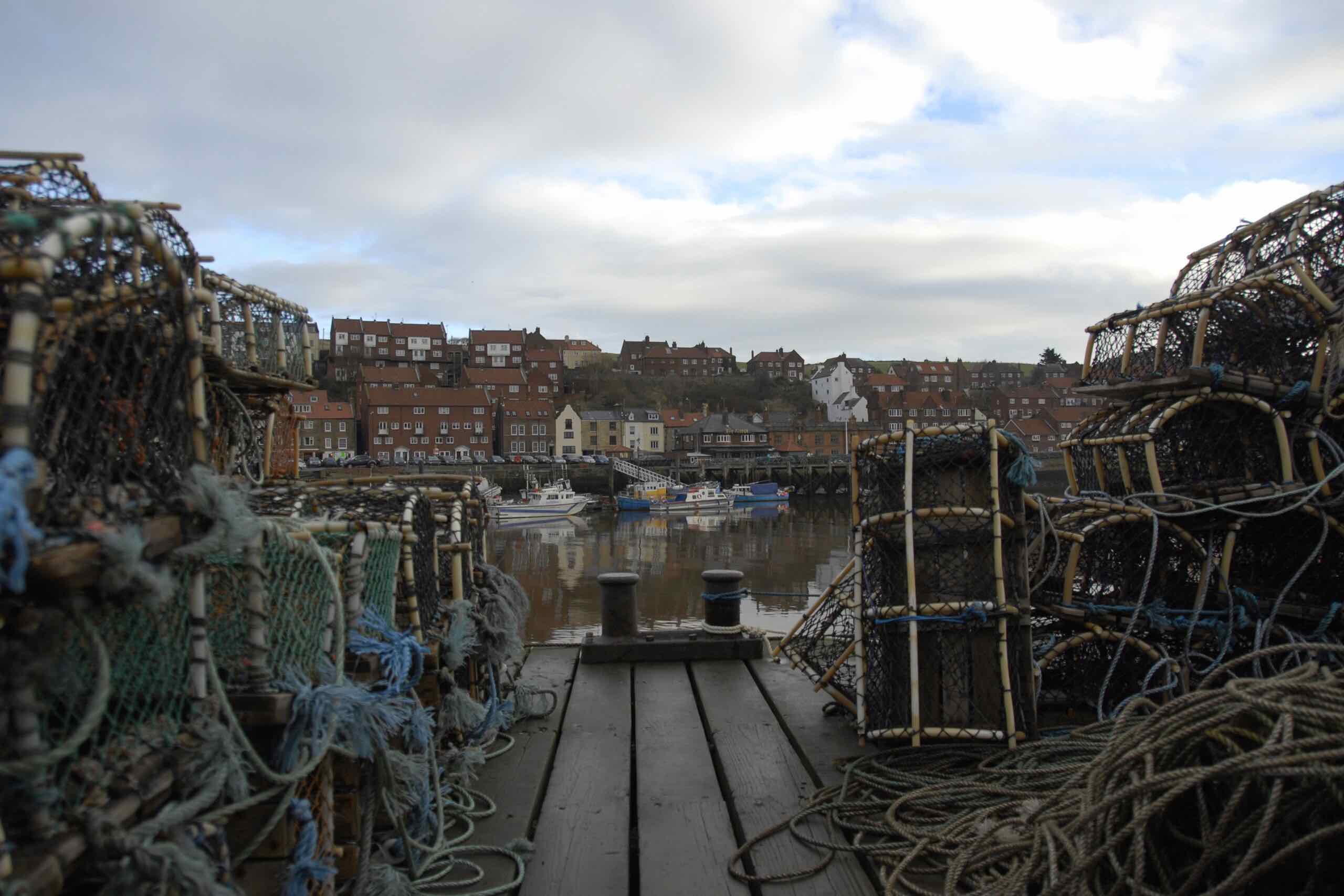
In the wake of the UK’s departure from the European Union, the fishing industry has emerged as a focal point of contention and negotiation.
The Trade and Cooperation Agreement (TCA), which came into effect post-Brexit, established a fisheries adjustment period set to conclude on 26th June 2026. As this deadline approaches, both the UK and the EU are preparing for pivotal negotiations that will determine future access to fishing waters and quota allocations.
Under the TCA, EU vessels have maintained access to UK waters during the adjustment period, with the understanding that future access would be subject to annual negotiations typical of arrangements between independent coastal states.The UK government has signaled its intent to leverage these negotiations to secure advantageous terms for British fishers.
Baroness Hayman of Ullock, Parliamentary Under-Secretary of State for the Department for Environment, Food and Rural Affairs, stated, “We will listen to what [the EU] has to say and will work tirelessly to achieve the best possible outcome for the UK economy and coastal communities.”
Conversely, EU member states, particularly those with significant fishing industries like France, are keen to preserve their current access rights. Reports indicate that the EU seeks a new multi-annual access agreement to ensure stability for its fishers. Jessica Rosencrantz, Sweden’s Europe minister, emphasized the importance of addressing sensitive issues such as fisheries to facilitate profound defence cooperation between the UK and EU.
The outcome of these negotiations holds substantial economic implications for the UK fishing sector. In December 2024, the Council of the EU approved an agreement with the UK on fishing opportunities for over 80 total allowable catches (TACs) for jointly managed stocks. This agreement was based on scientific advice and aimed at ensuring the sustainability of shared stocks while securing fishing rights for EU fishers in the Atlantic and the North Sea.
Domestically, the UK government faces pressure to deliver on promises made to the fishing community during the Brexit campaign. Lord Roborough, a Conservative peer, highlighted concerns over reports suggesting that EU nations aim to secure or even enhance their access to UK waters ahead of the negotiations. He questioned whether the government would “defend but substantially increase the quota position of our fishermen in our waters ahead of the 26th June deadline.”
The government has expressed a desire for long-term strategies to provide greater stability to the fishing industry. Baroness Hayman underscored the importance of adhering to scientific advice when developing negotiations and catch limits, stating, “We would like to see long-term strategies to provide the industry with greater stability… it is important that we always follow scientific advice when developing negotiations and catch limits.”
As the 2026 deadline approaches, the UK fishing industry stands at a crossroads. The potential for increased quotas and greater control over territorial waters presents opportunities for growth and revitalisation. However, these prospects are tempered by challenges, including the need to navigate complex international negotiations, address environmental sustainability concerns, and manage domestic expectations.
The UK’s ability to balance these factors will be critical in shaping the future of its fishing industry. Engaging constructively with EU counterparts while steadfastly advocating for the interests of British fishers will require diplomatic finesse and strategic acumen. Moreover, the government must ensure that any agreements align with broader economic and environmental policies to promote the long-term viability of the sector.
The impending renegotiation of fishing agreements between the UK and the EU marks a significant juncture for the British fishing industry. With the expiration of the current arrangement on the horizon, the UK government faces the dual challenge of fulfilling its commitments to the fishing community and navigating the intricate dynamics of international diplomacy.
The outcomes of these negotiations will not only impact the economic landscape of coastal communities but also serve as a litmus test for the UK’s post-Brexit sovereignty and its ability to forge equitable partnerships on the global stage.
Main Image: By The joy of all things – Own work, CC BY-SA 4.0, https://commons.wikimedia.org/w/index.php?curid=83641489