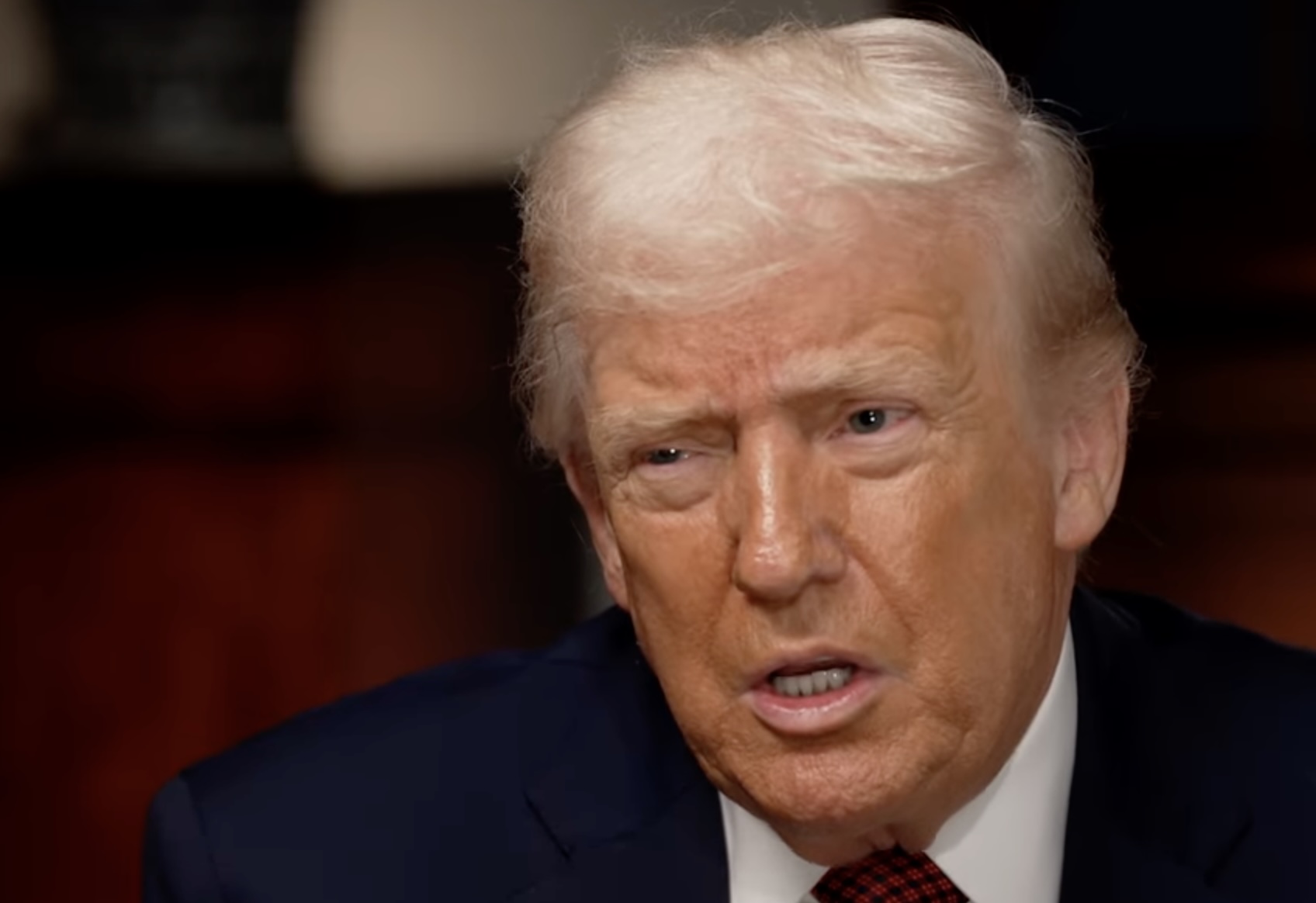
President Donald Trump has defended Vladimir Putin’s compliance with a short-lived pause in attacks on Ukraine’s energy infrastructure, even as Russia launched one of the heaviest strikes of the winter during a cold snap that left thousands of homes without heating.
Speaking at the White House on February 3, Mr Trump said the Russian leader had “kept his word” on what he described as a one-week “energy truce”, arguing that “one week is a lot” during extreme winter conditions in Ukraine.
The remarks followed overnight strikes that Ukrainian officials said severely damaged heat and power facilities in Kyiv and Kharkiv, disrupting heating for large numbers of residents. Ukraine’s energy minister said a power plant in Kyiv’s Darnytskyi area — used for heating — had been heavily damaged, and city officials reported more than 1,100 high-rise buildings in the capital without heat.
Ukrainian President Volodymyr Zelenskyy has accused Russia of violating the understanding that was intended to curb attacks during a period of very low temperatures. Ukrainian and international reporting described the latest barrage as involving large numbers of missiles and drones and striking energy infrastructure at a time when temperatures were reported to have fallen sharply.
A central point of contention has been the definition and timing of the “truce”. Mr Trump framed it as a Sunday-to-Sunday pause; Ukrainian statements suggested a slightly different timetable and an expectation that the restraint would extend further into the week. That discrepancy has left space for competing interpretations of whether Russia complied fully, complied partially, or exploited an ambiguous commitment.
The episode comes ahead of a second round of U.S.-brokered talks, which are expected to bring Ukrainian and Russian delegations together with American involvement in Abu Dhabi. Mr Zelenskyy has said the talks are due to resume midweek.
Steve Witkoff, the U.S. special envoy, has been publicly linked to the diplomatic track. In late January, he described contacts related to the process as “productive”, as the Trump administration presses for an end to the war, now approaching its fifth year.
In Kyiv, the political significance lies less in the semantics of a pause than in what it suggests about leverage. Mr Zelenskyy has appealed for a clear American reaction when Russia strikes energy infrastructure during extreme cold. However, Mr Trump’s comments signalled an emphasis on the existence of a pause, however brief, rather than on its durability or on enforcement.
Within the United States, the latest attacks have prompted renewed calls for a tougher posture. Republican Senator Lindsey Graham said on February 3 that existing pressure on Moscow was not working and urged the administration to begin supplying Ukraine with Tomahawk cruise missiles, arguing they would change Russia’s calculus by enabling deeper strikes on strategic targets.
Clearly the pressure we’re applying to Putin to come to the peace table and stop massive attacks against Ukraine is not working. President Trump’s idea of going after Putin’s oil customers who prop up his war machine should be pursued with vigor by the U.S. and Europe. President… https://t.co/boShWs8XBH
— Lindsey Graham (@LindseyGrahamSC) February 3, 2026
There is no indication that the White House is moving in that direction. Trump has consistently presented his approach as a push for negotiated settlement and has avoided direct criticism of Putin in connection with the renewed strikes, even when asked whether he was disappointed by Russia’s actions.
As delegations prepare for Abu Dhabi, technical discussions on narrow measures cannot substitute for a political decision in Moscow to end the war. Without Putin choosing to stop the campaign against Ukraine, any agreed details risk becoming procedural exercises, while attacks on civilians and infrastructure continue.
Energy infrastructure has again become central: a pressure point in negotiations, a priority target in Russia’s campaign, and a practical test of whether any promised de-escalation exists beyond statements.