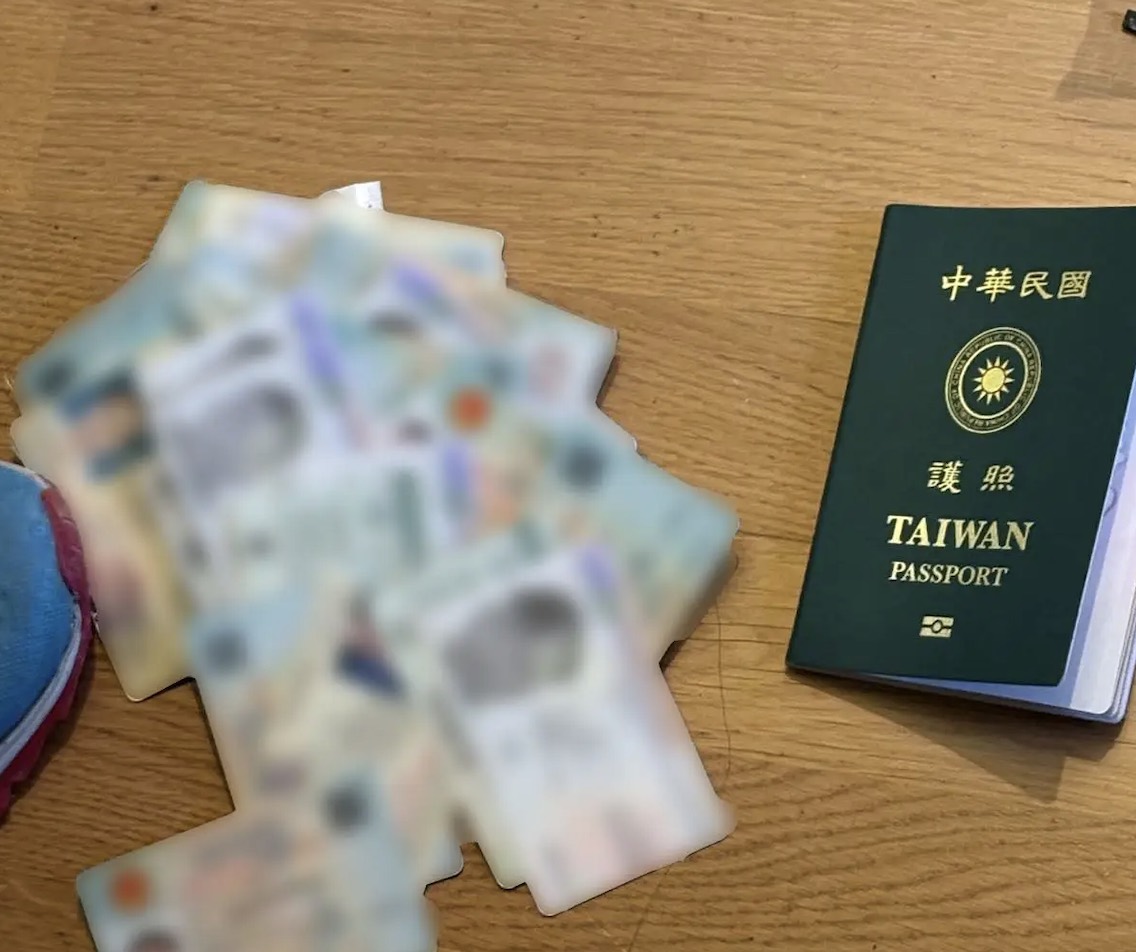
The criminal economy that underpins illegal migration across the English Channel has grown into a vast, highly organised enterprise—one that increasingly resembles a transnational corporate structure rather than a loose collection of opportunistic traffickers.
Recent law enforcement operations have once again lifted the curtain on the scale, sophistication, and profitability of these networks, raising uncomfortable questions about whether political rhetoric on controlling migration is being matched by meaningful action.
A recent operation coordinated by Europol exposed just how lucrative this trade has become. According to the agency, migrants have been charged as much as €50,000 for passage to the United Kingdom, with a single network accused of moving more than 1,000 people across the Channel and generating tens of millions of euros in revenue. The arrests of 19 suspected smugglers in France and the UK, linked to a Vietnamese network operating across continents, offered a rare glimpse into the inner workings of these operations.
What emerges is not chaos, but structure. Migrant smuggling networks operate across multiple jurisdictions, linking origin countries, transit hubs, and final destinations in a chain that is both resilient and adaptable. Individuals are recruited in their home countries, often through intermediaries who promise safe passage and economic opportunity. From there, migrants are moved through a series of staging points—sometimes involving legitimate travel documents, sometimes not—before reaching northern France or Belgium, where the final leg of the journey begins.
That final leg, across one of the world’s busiest shipping lanes, is often the most dangerous. Some migrants are concealed in lorries departing from French ports, while others are packed into flimsy inflatable boats, wholly unsuited for the journey. In one investigation, authorities found that equipment used in these crossings—boats, engines, and flotation devices—was itself supplied through a parallel criminal supply chain, with individual crossings capable of generating up to €100,000 for organisers.
The financial model is brutally efficient. Migrants frequently pay only part of the fee upfront, arriving in Europe burdened with significant debt. This indebtedness creates a pipeline into further exploitation, including forced labour and, in some cases, sexual abuse. Far from being a humanitarian corridor, the Channel route has become a marketplace in which human lives are commodified.
Despite periodic high-profile arrests, the underlying business remains intact. Networks are decentralised, allowing them to absorb losses and reconstitute quickly. Organisers often operate from outside Europe, beyond the immediate reach of law enforcement, while lower-level operatives—drivers, facilitators, and handlers—are easily replaced.
This persistence raises questions about the effectiveness of current policy approaches, particularly in the United Kingdom. Since coming to power, Keir Starmer has pledged to “smash the gangs” responsible for illegal crossings. Yet the evidence suggests that, while enforcement activity continues, the overall flow of migrants has not been meaningfully curtailed.
Critics argue that the focus on headline-grabbing operations obscures a deeper lack of strategic intent. Arresting 19 individuals, while symbolically important, does little to dismantle a system capable of moving thousands. Indeed, law enforcement agencies themselves acknowledge the scale of the challenge. The cross-border nature of these networks means that success depends on sustained cooperation between multiple countries—something that is often hampered by differing legal systems, priorities, and political pressures.
There is also the question of deterrence. For migrants facing poverty, conflict, or limited prospects at home, the risks of the Channel crossing may appear acceptable when weighed against the perceived opportunities in the UK. As long as demand persists, supply will follow. Smuggling networks are simply meeting that demand, albeit in the most exploitative way possible.
At the same time, domestic political pressures in Britain are intensifying. Public concern over illegal migration has been a defining issue in recent elections, and there is growing frustration among voters who feel that successive governments have failed to deliver on promises to “take back control” of the borders. The continuation of small-boat crossings—often accompanied by dramatic media images—reinforces a perception of state impotence.
In this context, the Starmer government faces a delicate balancing act. On the one hand, it must demonstrate compassion and adherence to international obligations toward asylum seekers. On the other, it must convince a sceptical public that it is capable of enforcing the law and maintaining control over who enters the country.
So far, there has been little, if any, evidence of the latter.
While ministers emphasise cooperation with European partners and increased resources for enforcement, neither is there much evidence of a transformative strategy that addresses the root causes of the problem. Without such a strategy, the risk is that policy becomes reactive rather than proactive—responding to events rather than shaping them.
Meanwhile, the criminal networks continue to evolve. As enforcement tightens in one area, they shift operations to another. When routes become too heavily policed, new ones are developed. Technology, too, plays a role, with encrypted communications and digital payment systems enabling organisers to operate with greater anonymity and reach.
The result is a cycle that appears difficult to break. Each successful crackdown is followed by a period of adaptation, after which the business resumes, often stronger than before. For those involved, the rewards are simply too great to ignore.
Ultimately, the persistence of migrant smuggling across the Channel is not just a law enforcement issue; it is a reflection of broader geopolitical and economic realities. Conflict, inequality, and global mobility all contribute to the conditions that make such networks viable.
Yet for the public in the United Kingdom, these structural explanations may offer little comfort. What they see are boats arriving on their shores, day after day, despite repeated assurances that the situation is under control. As that perception hardens, so too does the political pressure on those in power.
Whether the current government can reverse that trend remains to be seen. What is clear, however, is that without a more comprehensive and sustained approach, the gangs profiting from human misery will continue to operate—and the Channel will remain one of Europe’s most visible and contentious migration routes.
Main Image: EUROPOL
Click here for more News & Current Affairs at EU Today
Click here to check out EU TODAY’S SPORTS PAGE!
___________________________________________________________________________________________________________________