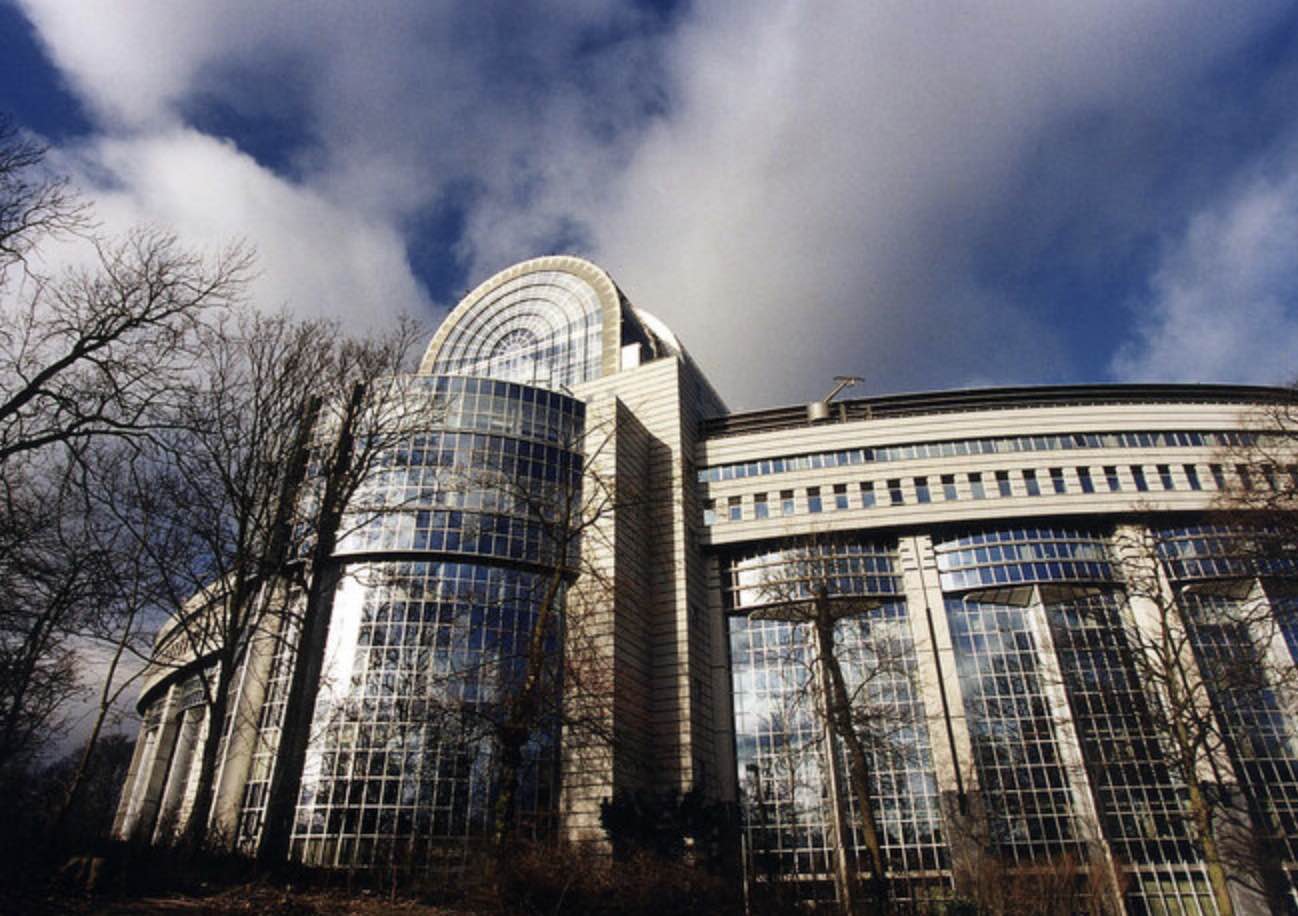
At a moment when relations between Europe and Russia remain defined by war, sanctions and deep political distrust, the European Parliament has chosen to focus on a different constituency: Russians who oppose the war in Ukraine and advocate democratic change at home.
The decision to host a dialogue in Brussels with Russian pro-democracy and anti-war actors may appear modest against the backdrop of a conflict now well into its fifth year. Yet it represents a significant strategic shift. Rather than viewing Russia solely through the prism of the Kremlin, European policymakers are increasingly recognising the importance of engaging with those Russians who envision a different future for their country.
The initiative reflects a growing understanding within European institutions that lasting security on the continent cannot be achieved through military deterrence and economic pressure alone. It will also depend on the emergence of political alternatives within Russia itself.
For many years, Russian opposition figures struggled to gain sustained attention in European capitals. The invasion of Ukraine transformed that dynamic. As the Kremlin tightened its grip on domestic politics and intensified repression against dissenting voices, many activists, journalists, academics and civil society leaders were forced into exile. Yet exile has not diminished their influence. Instead, it has created a dispersed but increasingly organised network of Russians committed to democratic reform, accountability and a future reconciliation with Europe.
The Brussels dialogue offers these voices a rare opportunity to engage directly with lawmakers and policymakers at the heart of the European Union. More importantly, it signals that Europe sees value in maintaining relationships with those who reject both authoritarianism and war.
The timing is notable. Across Europe, debate is intensifying over how and when channels of communication with Russia should be reopened. Senior European officials have recently explored limited diplomatic contacts with Moscow amid discussions about eventual peace negotiations and Europe’s role in shaping a durable settlement. Those efforts have exposed divisions among EU member states, but they have also highlighted a broader question: with whom should Europe engage when thinking about Russia’s future?
For many policymakers, the answer increasingly includes democratic actors outside the Kremlin’s orbit.
Supporters of the Brussels initiative argue that engaging anti-war Russians serves several purposes simultaneously. It reinforces democratic values, provides practical support to civil society, and helps Europe develop a more nuanced understanding of political developments inside Russia. It also avoids the strategic mistake of treating an entire nation as synonymous with its current leadership.
That distinction matters. History offers numerous examples of political systems changing far more rapidly than outside observers expected. By cultivating relationships with democratic figures today, European institutions are effectively investing in a future that may eventually require experienced interlocutors capable of rebuilding trust between Russia and its neighbours.
There is also a symbolic dimension. The dialogue sends a message to Russian citizens who oppose the war that they have not been forgotten. In an environment where independent media outlets have been curtailed and opposition activity heavily restricted, international recognition carries both practical and moral significance.
Critics may question whether exiled opposition groups possess sufficient influence to shape events inside Russia. Such concerns are understandable. Political change in authoritarian systems is rarely predictable, and external actors have limited ability to determine outcomes.
Yet the purpose of engagement is not to select future leaders. It is to ensure that democratic voices remain visible, connected and capable of contributing when opportunities emerge. European institutions have long recognised the importance of supporting civil society in neighbouring states. Extending that principle to Russia reflects strategic consistency rather than wishful thinking.
The European Parliament’s initiative also aligns with broader efforts across European institutions to strengthen dialogue with democratic forces and civil society organisations from across the continent. As geopolitical competition intensifies, the defence of democratic norms increasingly depends on building resilient networks that transcend national borders.
The Brussels meeting will not transform relations between Europe and Russia overnight. Nor is it intended to. Its significance lies elsewhere: in acknowledging that the future of Europe’s largest neighbour will ultimately be shaped not only by governments and armies, but also by citizens who continue to believe in democratic change.
In an era dominated by hard power and geopolitical confrontation, that may prove to be one of the most important conversations taking place in Brussels.
___________________________________________________________________________________________________________________
Click here for more News & Current Affairs at EU Today
Click here to check out EU TODAY’S SPORTS PAGE!
___________________________________________________________________________________________________________________