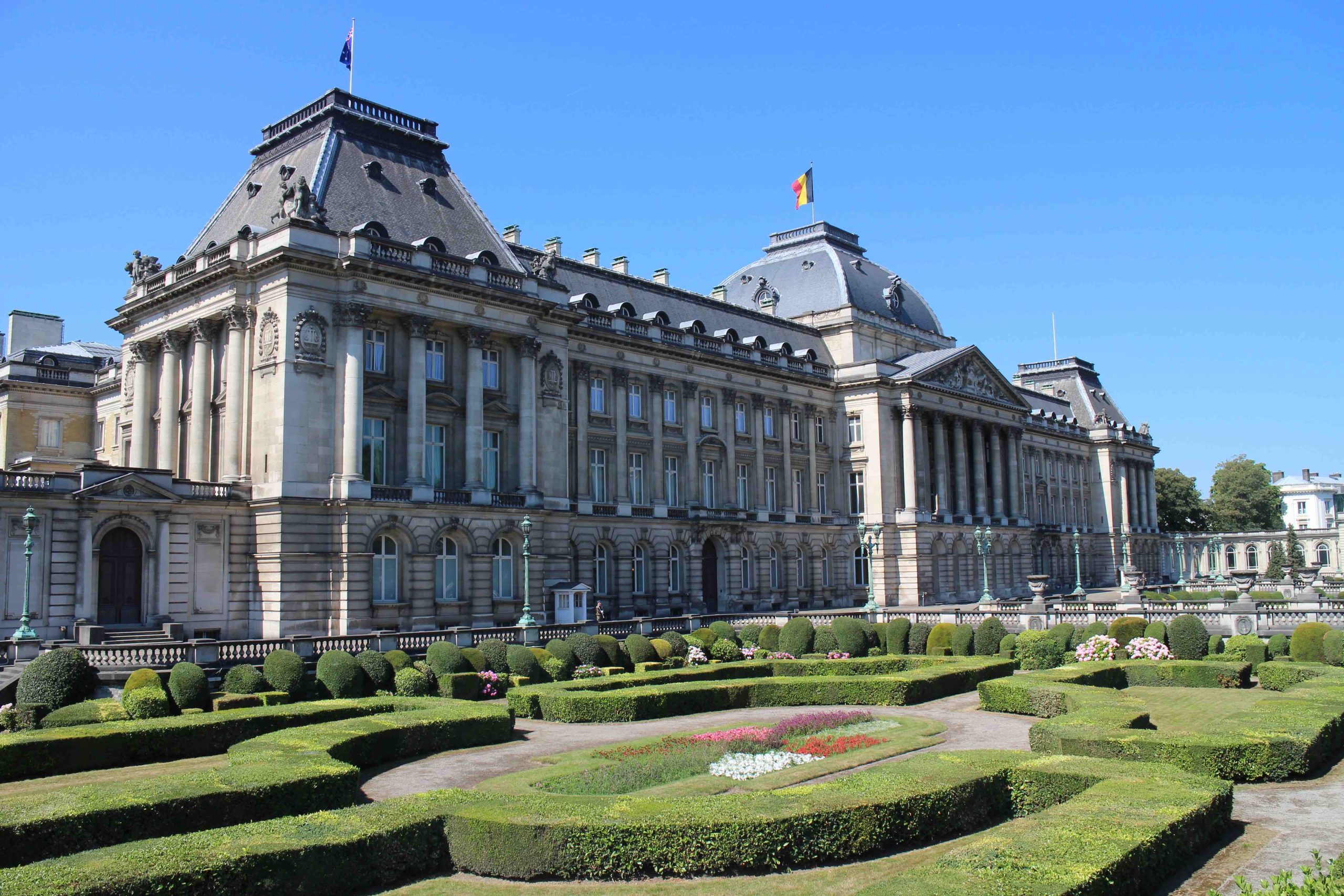
When the European Council convenes in Brussels today and tomorrow, the fate of Ukraine’s lifeline financing may hinge not on Kyiv’s needs, but on an unexpected guardian of Moscow’s frozen fortune: Belgium.
While European capitals debate how best to keep President Volodymyr Zelenskyy’s treasury solvent through 2026 and 2027 — even considering an unprecedented “reparations loan” secured against immobilised Russian central bank assets — one small state has emerged as the de facto gatekeeper of this vast pool of wealth. It is not out of altruism, legal scruple or trans-Atlantic solidarity that Belgium hesitates. Rather, it may be motivated by economics as much as geopolitics — and a starkly pragmatic calculation about its own fragile fiscal position.
Brussels hosts Euroclear, the Belgian-based clearing house where roughly €185 billion of Russia’s central bank assets have been frozen since Moscow’s full-scale invasion of Ukraine. Under the European Commission’s proposal, these funds would underpin a €90 billion reparations loan to Kyiv, with other G7 allies — including the UK, Canada and Norway — stepping in to cover the shortfall. The EU’s executive says the scheme would not amount to expropriation; Ukraine would only owe repayment if and when Russia pays war reparations. Proponents claim it is both lawful and necessary to sustain Ukraine’s defence without inflicting additional burdens on European taxpayers.
Yet for Belgium the plan has become a political crucible. Prime Minister Bart De Wever has refused to embrace the proposal without ironclad guarantees that his country will not be left holding the fiscal bag should Moscow retaliate — legally, economically, or even militarily. Belgium is insisting on full risk-sharing among EU members, robust indemnities and unassailable protections for Euroclear itself. In public comments and confidential negotiations, Belgian officials have alluded to the spectre of lawsuits, financial blowback and damage to the eurozone’s credibility should sovereign assets be treated as de facto collateral.
At first glance, Brussels’ reticence could be interpreted through a narrow legalistic lens: concerns about the rule of law, sovereign immunity, and respect for property rights. But this interpretation misses a more elemental driver. Belgium’s own finances are in delicate shape. A small, open economy with persistent budgetary deficits, it faces tight fiscal constraints at home even as it seeks to project leadership abroad. The massive frozen funds — and the interest they generate — represent not merely an abstract legal problem but a stream of revenue that accrues, directly or indirectly, to Belgian coffers. With yields attached to the frozen assets reinvested and taxed, Brussels continues to benefit from this capital even as its owners are shut out.
It is hardly scandalous for a nation to administer assets held on its soil; what is striking is how effortlessly that function has translated into enduring commercial advantage. In 2024 alone, taxes on the interest and dividends generated by those frozen Russian funds reportedly brought in billions in revenue — a notable windfall. For a country juggling healthcare costs, pension obligations and the perennial challenge of fiscal consolidation, such receipts are not trivial. They are part of a ledger that belies any narrative of pure geopolitical altruism.
This uneasy intersection of self-interest and solidarity raises uncomfortable questions about the cohesion of the EU itself. Brussels may be the seat of the European Commission, but the real power remains fragmented among 27 member states with divergent priorities. Poland and Germany have pressed for the utilisation of Russia’s frozen assets in Ukraine’s support, framing it as moral and strategic necessity. Hungary, Slovakia and others remain sceptical or outright opposed. Belgium, wedged at the centre, abruptly transformed from mediator to spoiler.
The diplomatic choreography is revealing. Officials sympathetic to the reparations plan have made overtures to indemnify Belgium and spread liability across the bloc, but those offers have not placated Brussels. Behind closed doors, Belgian negotiators have signalled that unless each EU government commits unambiguously to shared exposure, they will block any use of the assets. Some diplomats hint that Belgium is also concerned about preserving its status as a financial hub: turning frozen sovereign assets into an instrument of wartime funding could deter future custodial business and damage its reputation for stability.
There is a murky irony to all this: a nation that has long championed rule-based international order may be perceived as weaponising legal caution to protect financial gains. Critics argue that Belgium’s posture, far from safeguarding legal norms, is instead dominating the bloc’s policy at a moment when unity is most needed. They point out that the EU has already used proceeds from frozen assets to channel billions of euros to Kyiv in earlier arrangements — a mechanism that suggests a precedent, if not perfect harmony, for further action.
For Ukraine, the stalemate is more than academic. Kyiv teeters on the brink of insolvency without predictable funding streams, and every delay in the EU’s decision risks undermining morale and military planning. If Brussels cannot broker consensus among member states, Ukraine’s friends may be forced back into annual appropriations battles and short-term fixes — an outcome that suits neither Kyiv nor the broader strategic imperative of deterring future aggression from Moscow.
Ultimately, the Belgian stance reflects deeper tensions at the heart of the European project. The EU’s ability to act collectively in times of crisis depends on a delicate balance between national interests and shared purpose.
When the custodian of frozen Russian funds calculates that its own fiscal and legal exposure outweighs the moral urgency of backing a neighbour under attack, the bloc risks not only financial gridlock but a crisis of credibility. Whether Brussels will yield to collective will — or stand firm to protect its own balance sheet — could shape the EU’s cohesion and the free world’s opinion of Belgium for years to come.
Main Image: – Own work via Wikipedia
Frozen Russian reserves and Europe’s risk dilemma: the financing decision Ukraine needs in 2026
Click here for more News & Current Affairs at EU Today
Click here to check out EU TODAY’S SPORTS PAGE!
____________________________________________________________________________________________________________________________