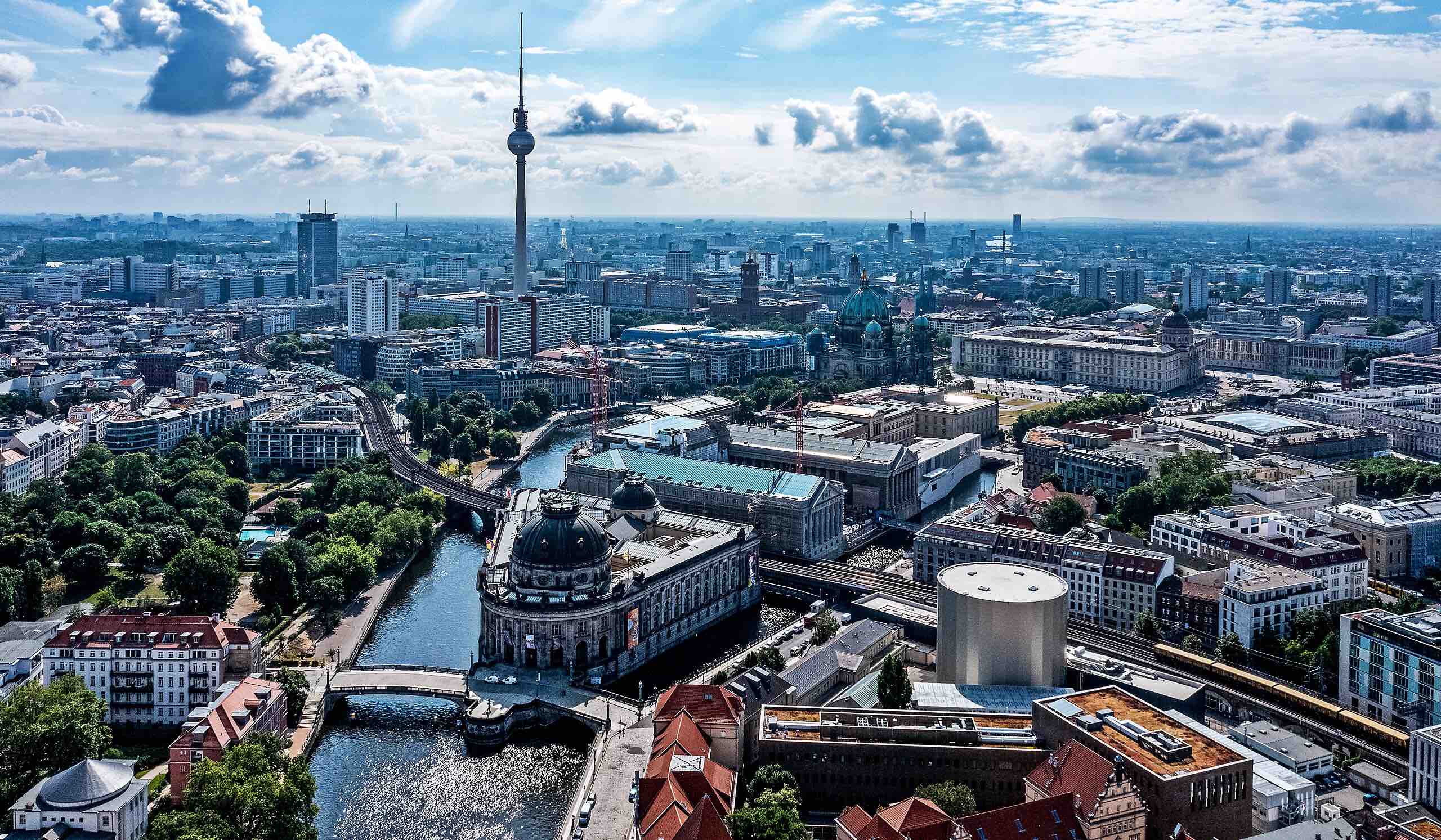
Berlin has long prided itself on being the dependable motor of Europe: a nation that combined industrial discipline, fiscal caution and export prowess into a model admired across the Western world.
Yet today the great machine is spluttering. Germany is not collapsing — that would almost be easier to diagnose — but instead appears trapped in something worse: stagnation.
The latest assessment from the German Chamber of Industry and Commerce (DIHK) suggests Europe’s largest economy will grow by a mere 1 per cent in 2026. That modest figure is even flattered by statistical quirks and calendar effects rather than genuine dynamism, according to business surveys. In other words, Germany is technically moving forward while, economically speaking, going nowhere.
To appreciate why this matters, one must understand Germany’s role within Europe. For decades the Federal Republic has been the EU’s stabilising anchor — underwriting fiscal confidence in the euro, absorbing exports from neighbours, and providing political ballast during crises from the sovereign debt panic to the pandemic. When Germany thrives, Europe breathes easier. When Germany stalls, Europe feels the chill.
The warning signs are now unmistakable. A survey of roughly 26,000 companies shows business confidence still far below its long-term average, despite a slight improvement in sentiment. Investment plans are subdued: more firms intend to cut spending than increase it.
That, more than any headline growth number, is the true alarm bell. An economy can survive a slow year; it cannot survive the loss of faith in its future.
German companies themselves are blunt about the causes. Weak domestic demand, rising labour costs, unpredictable economic policy and high energy prices top the list of concerns. Each factor alone would be manageable. Together they amount to a structural drag.
Germany’s post-Cold War prosperity rested on three pillars: cheap Russian energy, strong globalisation, and a high-skill manufacturing base exporting to China and the United States. All three pillars have cracked simultaneously.
The end of inexpensive pipeline gas following Russia’s invasion of Ukraine delivered the first blow. German industry — especially chemicals, steel and heavy manufacturing — was built around reliable energy costs. Replace that with volatile imports of liquefied natural gas and the arithmetic changes overnight. German factories did not suddenly become less efficient; they simply became less competitive.
At the same time, globalisation has slowed. The world is fragmenting into geopolitical blocs. The export-led model that served Germany so well now runs into tariffs, security concerns and reshoring policies in Washington and Beijing alike. German exporters, once welcomed everywhere, increasingly find markets hedging against dependence.
Then comes China — once Germany’s greatest opportunity, now its greatest strategic dilemma. For two decades German carmakers and machine-tool producers rode China’s industrial expansion. Today China is not merely a customer but a competitor. Electric vehicles illustrate the transformation perfectly: where German engineering once dominated, Chinese manufacturers now innovate faster and cheaper.
The result is not recession but inertia. Germany is moving just enough to avoid crisis, but not enough to inspire growth.
DIHK’s leadership has warned that without reforms — reducing bureaucracy and lowering labour and energy costs — recovery will remain elusive. That is easier said than done. Germany’s political culture values consensus and stability, virtues in normal times but liabilities during structural change. Coalition governments struggle to move decisively; regulatory caution slows investment; and demographic ageing tightens labour markets.
The demographic issue may prove the most intractable of all. Germany is getting older rapidly. A shrinking workforce inevitably limits growth, increases wage pressure and burdens social systems. Productivity improvements could offset this, but productivity depends on investment — and investment depends on confidence.
Here lies the paradox: Germany’s strengths have become its constraints. Fiscal prudence discourages stimulus. Labour protections limit flexibility. Environmental ambition raises costs during transition. Individually admirable policies collectively dampen momentum.
For the European Union, the implications are profound. France can talk of strategic autonomy, Italy can pursue reforms, and Brussels can draft industrial plans — yet without German expansion, continental recovery remains anaemic. The eurozone was built around German stability; it was not designed for German stagnation.
There is also a political dimension. Economic malaise rarely remains purely economic. Slower growth erodes confidence in governing coalitions and fuels populist arguments that the system no longer delivers prosperity. Germany has so far avoided the dramatic political upheavals seen elsewhere, but prolonged stagnation tests even the most stable democracies.
The irony is that Germany retains immense strengths: world-class engineering, strong institutions, deep capital markets and a highly skilled workforce. This is not a country lacking capability. It is a country facing transition — from industrial exporter to technologically adaptive economy — and finding the shift uncomfortable.
What Germany now requires is not rescue but reinvention: faster permitting for infrastructure, competitive energy pricing, digitalisation of administration, and a willingness to accept calculated risk. The country that once rebuilt itself from post-war ruins surely has the capacity to modernise again. The question is whether its political and social model can adapt quickly enough.
For Europe, the stakes could hardly be higher. If Germany rediscovers dynamism, the continent follows. If it remains stuck in low growth, Europe risks entering a decade defined not by crisis, but by quiet economic decline — a far subtler and more dangerous outcome.
Germany’s engine has not seized. It is simply idling. Yet an engine left idling too long eventually stops.
Germany opens talks on “two-speed” EU as unanimity frustrations grow
Click here for more News & Current Affairs at EU Today
Click here to check out EU TODAY’S SPORTS PAGE!
_____________________________________________________________________________________________________________________