Ten years after the Brexit referendum, the measurable cost for UK food exporters remains visible in lower EU sales, lost small-firm trade and a renewed push for a July reset with Brussels.
Ten years after the Brexit referendum, British exporters are still paying the price of new trade barriers with the European Union, with food exports to the bloc remaining sharply below pre-Brexit levels and thousands of smaller firms having abandoned EU sales altogether.
Reuters reported on 17 June that UK food exports to the EU remain more than 23 per cent lower than before Brexit, while thousands of small companies have stopped exporting to the bloc. The figures give the anniversary a harder economic edge: beyond the politics of the 2016 vote, Brexit has left a continuing business cost in paperwork, border checks, certification and lost market access.
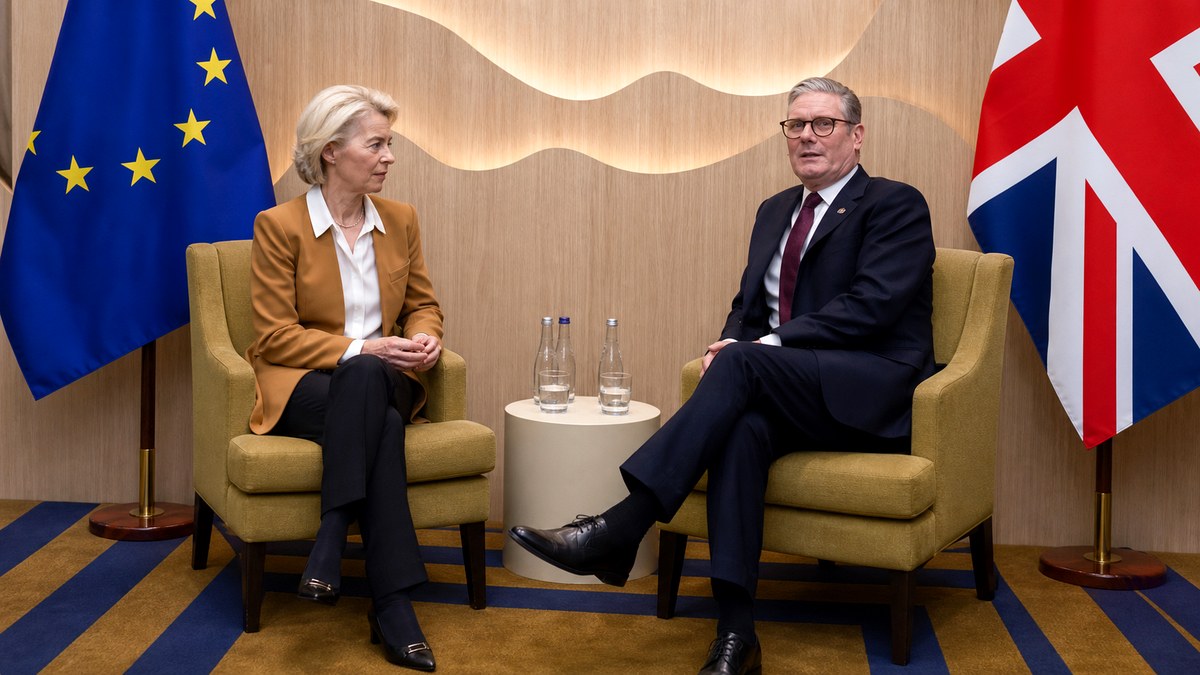
The timing matters because London and Brussels are preparing for a new EU-UK summit in Brussels on 22 July, intended to advance Prime Minister Keir Starmer’s promised reset with the bloc. The summit is expected to cover food and farm trade, youth mobility and other areas where both sides see scope for easing post-Brexit friction without reopening the full question of single-market membership.
An anniversary measured in export losses
The referendum anniversary invites political retrospection, but for exporters the relevant question is operational rather than nostalgic. How many forms must be completed? How many certificates are needed? How many consignments are delayed? How many customers have been lost because EU buyers can source similar products inside the single market with less friction?
Food and agricultural exporters have faced some of the heaviest burdens because animal and plant products are subject to sanitary and phytosanitary checks. Before Brexit, many British food producers treated the EU as a near-domestic market. Since the UK left the single market and customs union, exporters have had to deal with veterinary certificates, health checks, customs declarations and rules-of-origin requirements.
Those barriers have been most damaging for small firms. Larger companies can hire compliance staff, use specialist freight agents and absorb delays. Smaller producers often cannot. For them, a single delayed shipment or added certification cost can make EU exports uneconomic.
The result is not only lower trade volume, but a narrowing of who can trade. Brexit did not stop all UK-EU commerce. It made cross-border trade more expensive and more administrative, pushing smaller businesses out first.
The July reset is about business costs
The July summit gives both sides a chance to show that the EU-UK reset can deliver practical gains. The Guardian reported that European Council President António Costa confirmed the 22 July meeting, with food and farm trade among the key issues on the agenda.
A sanitary and phytosanitary agreement would not restore the pre-Brexit trading relationship. It could, however, remove or reduce some of the most expensive checks on food and agricultural goods. That is why the issue has become a test of whether the reset is a diplomatic slogan or a business-policy exercise.
For British exporters, the question is whether any new deal arrives quickly enough and is broad enough to matter. The Guardian reported in May that proposed food-export changes could remove paperwork and physical checks on products including dairy, fish, cheese, eggs and fresh red meat from summer 2027, while easing burdens for supermarkets and producers supplying Northern Ireland.
That timeline underlines the problem. Even if London and Brussels agree a deal, many exporters will have spent years outside EU supply chains. Regaining customers is harder than losing them. Buyers who moved to EU-based suppliers may not automatically return just because checks are eased.
Northern Ireland’s advantage
The Brexit trade story also has a territorial dimension. Northern Ireland’s position under the Windsor Framework gives it a different relationship with the EU single market for goods, creating advantages for some firms compared with counterparts in Great Britain.
That advantage is politically sensitive, but economically real. Businesses able to operate with easier access to both the UK internal market and EU goods rules can be better placed than firms in England, Scotland or Wales that face full third-country trade procedures when selling into the EU.
This is one reason the food-export debate remains politically charged. Reducing barriers for Great Britain could narrow that gap, but doing so requires some degree of UK alignment with EU rules. For Brussels, alignment is the price of lower friction. For London, it is politically awkward because Brexit was sold as regulatory autonomy.
Regulatory alignment returns through the back door
The Reuters figures show why regulatory alignment is returning to the debate. Exporters do not experience sovereignty as an abstract constitutional category. They experience it through costs, delays and market access.
If the UK wants lower barriers for food and farm goods, it will need to accept EU-style standards in relevant areas. That does not mean rejoining the EU. It does mean recognising that trade with a regulatory superpower is easier when rules are shared, monitored and trusted.
The political challenge for Starmer is therefore to sell pragmatic alignment as economic repair rather than as a reversal of Brexit. The challenge for the EU is to offer enough practical benefit to stabilise the relationship without allowing Britain to cherry-pick single-market advantages without obligations.
The tenth anniversary of the referendum is therefore not only a moment to revisit what voters were promised. It is a moment to measure what businesses have actually faced. UK food exporters have endured lost sales, higher compliance costs and reduced access to their nearest major market.
The July reset will not undo Brexit. But it will show whether London and Brussels are prepared to reduce the most damaging frictions where the evidence is clearest. For the food sector, the numbers already make the case: barriers that were once political choices have become persistent business costs.