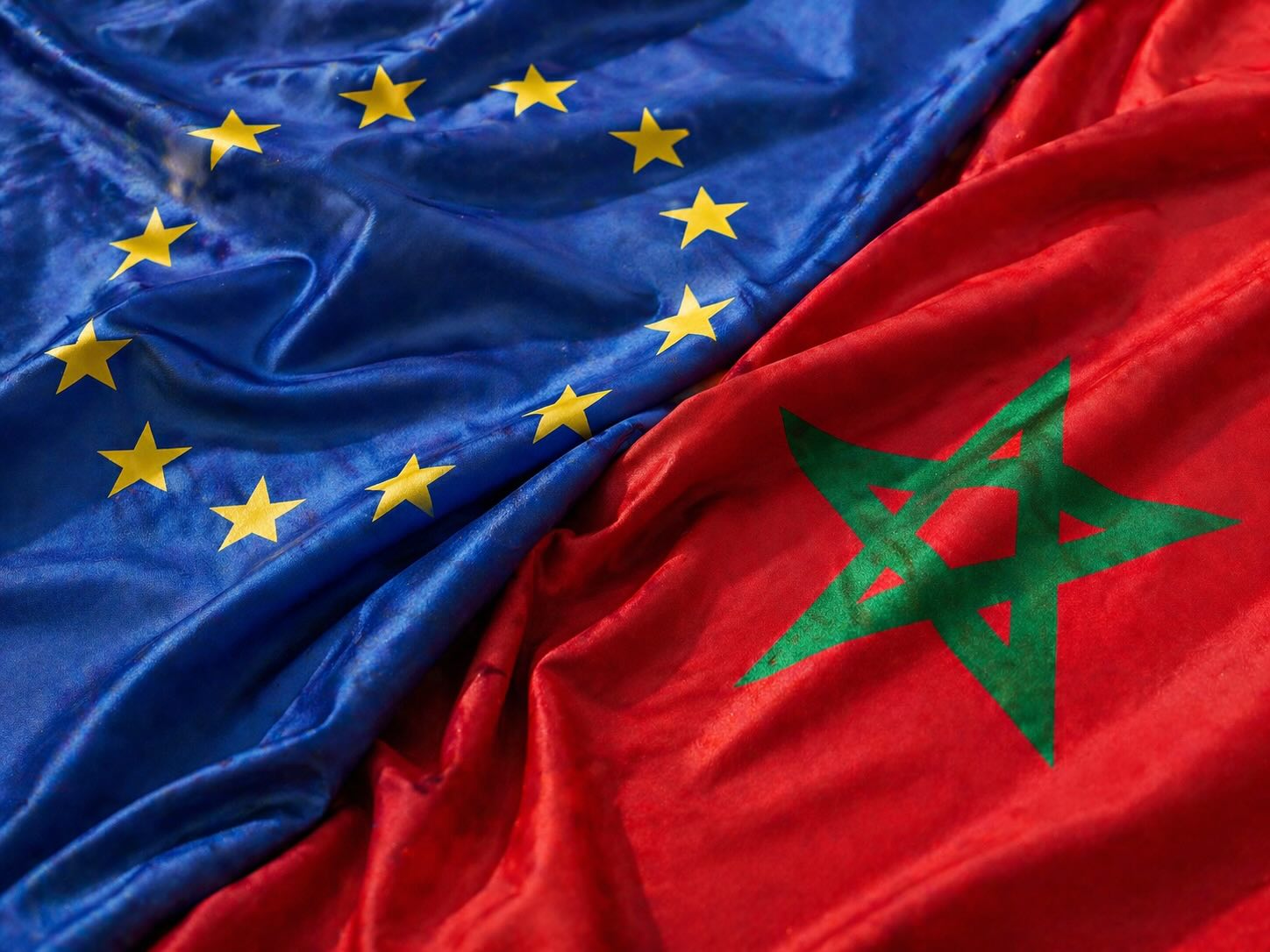
The European Union and Morocco launched a new digital dialogue on 8 April, opening a formal channel for cooperation on artificial intelligence, digital infrastructure, start-ups and public digital systems.
The European Union and Morocco launched a new digital dialogue on Wednesday, presenting it as a step towards deeper strategic cooperation in technology policy, digital infrastructure and innovation. In a joint press release published on 8 April, the two sides said the initiative would strengthen their relationship as strategic partners in the digital field.
The move gives a formal structure to a relationship that Brussels increasingly treats as part of its wider external digital policy. According to the official announcement, the dialogue reflects a shared ambition to expand cooperation in digital, data and artificial intelligence, while also supporting a digital economy and public services framework intended to serve citizens more effectively.
The agenda set out on 8 April is broad but concrete. The launch material says cooperation is expected to cover artificial intelligence, support for digital start-ups, secure and trusted digital infrastructure, and interoperability of public digital infrastructure solutions, including digital wallets. That matters because these are not peripheral issues. They sit at the centre of how the EU is trying to shape partnerships beyond its borders: through standards, regulation, technical compatibility and market access rather than through trade policy alone.
The dialogue was launched by Henna Virkkunen, the Commission Executive Vice-President for Tech Sovereignty, Security and Democracy, together with Morocco’s minister delegate in charge of digital transition and administrative reform, Amal El Fallah Seghrouchni. The decision to launch it at that level indicates that both sides want to place the relationship in a strategic rather than purely technical frame.
For Brussels, the significance lies partly in geography and partly in policy. Morocco is a southern neighbour with established political and economic links to the EU, and digital cooperation offers a relatively fast-moving channel through which broader strategic ties can be reinforced. The Commission’s neighbourhood digital policy framework already places the southern Mediterranean within the wider scope of the EU’s external digital engagement. The Morocco initiative now gives that policy a more visible bilateral form.
The launch also fits a pattern. Brussels has in recent years used digital dialogues to build structured partnerships with third countries on connectivity, standards, regulatory cooperation and emerging technologies. The Morocco initiative suggests the EU sees digital policy not simply as an internal single-market issue, but as an instrument of foreign policy, economic security and external influence. In practical terms, this means that questions such as infrastructure trust, data governance and AI cooperation are now being handled as matters of strategic partnership.
What the 8 April announcement does not yet provide is a timetable for deliverables, a list of working groups, or any detailed roadmap for implementation. The official material sets out the areas of cooperation, but stops short of specifying milestones or target dates. That leaves the immediate story at the level of launch rather than outcome. The development is nonetheless material, because it creates a formal channel through which follow-on decisions can now be taken.
It is also notable that the language of the launch is framed around shared potential rather than simple technical assistance. The official text describes the initiative as a way to unlock the potential of digital, data and AI solutions. That wording suggests a partnership model in which Morocco is being treated not merely as a recipient of European support, but as a strategic counterpart in areas where standards, infrastructure choices and innovation policy increasingly overlap.
For the EU, there is a clear external-policy logic behind that approach. Digital regulation, trusted infrastructure and interoperability have become part of the bloc’s wider effort to project influence through rules, systems and technical alignment. For Morocco, the dialogue offers an institutional route into closer cooperation with the EU on sectors that are increasingly important for investment, administration and economic modernisation.
The immediate significance of Wednesday’s launch therefore lies less in any single announcement than in the framework it creates. Brussels and Rabat now have a formal digital track that can be used to deepen cooperation across several policy areas at once. That makes the 8 April move relevant not only for technology policy, but for the wider shape of EU-Morocco relations.