A report that a Ukrainian Oschadbank cash courier was forcibly injected while in Hungarian custody has added a grave new allegation to an already contentious dispute between Kyiv and Budapest over the seizure of state bank assets in early March.
The claim, published by The Guardian on 20 March, comes as Ukraine’s Foreign Ministry says the matter must now be examined through ongoing investigations and court proceedings.
The case began on 5 March, when Hungarian authorities intercepted two Ukrainian armoured cash-in-transit vehicles near Budapest. The convoy was carrying cash and gold from Austria to Ukraine on behalf of Oschadbank. The shipment included around $40 million, €35 million and nine kilograms of gold. Seven Ukrainian nationals were detained on suspicion of money laundering. Ukraine rejected that account, insisting the transfer was lawful and that Hungarian authorities had unlawfully detained state bank staff and seized state-owned assets.
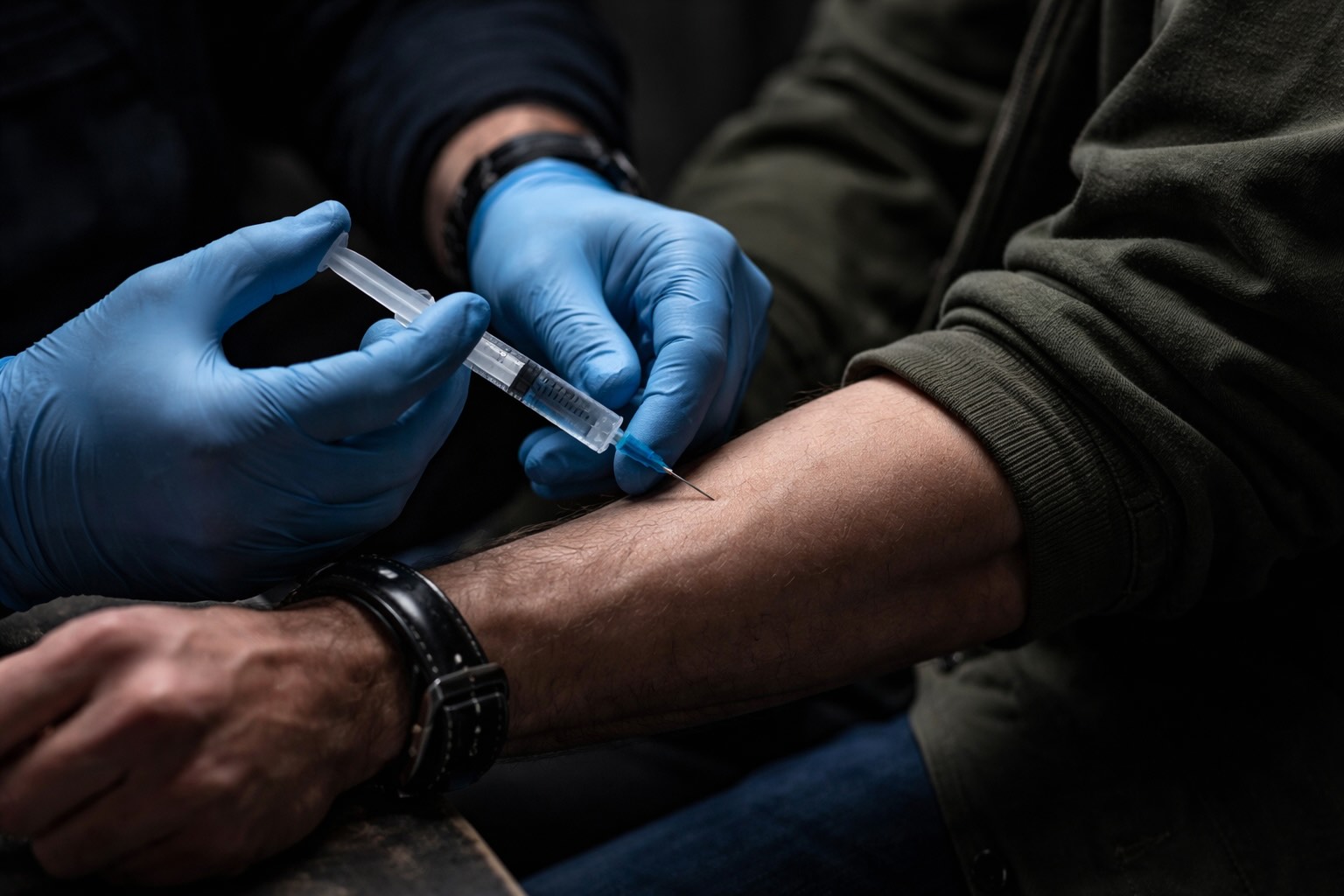
According to The Guardian, the seven detained Ukrainians were held for more than 24 hours, much of that time blindfolded and handcuffed, before being deported to Ukraine. The newspaper, citing sources in Kyiv’s security structures, reported that one of the men was given a forced injection during detention. Those sources said they believed the substance may have been from a class of drugs intended to make a detainee more talkative during questioning. The paper also stated, however, that it had not independently verified the blood-test results cited by those sources.
The detainee in question was described as a former officer of Ukraine’s SBU security service. According to the report, he is diabetic and suffered a hypertensive crisis after the injection, lost consciousness and was taken to hospital. A Hungarian police source told The Guardian they had heard from colleagues that an injection had indeed been administered, although they did not know what it contained. The detainees’ Hungarian lawyer also confirmed to the newspaper that one of the men had received an injection of unknown contents despite objecting to it. That leaves the most serious part of the allegation unresolved in public, but it places beyond doubt that the question of medical treatment in custody is now central to the case.
Later on 20 March, Ukrainian Foreign Ministry spokesman Heorhii Tykhyi commented publicly on the report. According to his remarks, the ministry had already referred to the denial of necessary medical assistance to one of the detainees and to the administration of a drug injection that worsened his condition. Tykhyi said it was important that the information published in the media be examined carefully in legal terms during the investigations and court processes that are now under way. He also said Ukraine’s official position remained unchanged: Kyiv is demanding accountability for all those responsible for what it describes as the abduction and inhumane treatment of the Ukrainian couriers, the violation of their rights, and the seizure of Oschadbank funds and valuables, while also demanding the return of those assets.
That official statement is significant because it moves the issue from source-based media reporting into the formal diplomatic record. It does not settle what substance was used, or for what purpose, but it confirms that Kyiv is treating the injection allegation as part of a broader legal case concerning the conduct of Hungarian authorities during the detention. The dispute is therefore no longer limited to the seizure of money and gold. It now also concerns detainee treatment, medical care, due process and the methods used by Hungarian security structures.
The affair has also acquired a wider political dimension. A 20 March report by VSquare alleged that the 5 March operation was planned by Hungarian intelligence services to provoke a confrontation with Ukraine ahead of Hungary’s parliamentary elections. VSquare reported that the raid by Hungary’s Counter-Terrorism Centre was not a routine law-enforcement action but a politically motivated operation intended to manufacture a diplomatic crisis that could be used in Viktor Orbán’s re-election campaign. That claim remains a media report rather than an established legal finding, but it helps explain why the incident has rapidly become part of the broader deterioration in Hungarian-Ukrainian relations.
Meanwhile, legal action is already advancing in Hungary. Telex reported on 17 March that Oschadbank had filed complaints alleging unlawful detention and abuse of office, while the deportation of the seven Ukrainians was also being challenged before the Budapest Metropolitan Court. Those proceedings, together with any forensic or medical evidence that may emerge, are likely to determine whether the most serious allegations can be substantiated.
For now, the established public record is limited but serious. The seizure of Ukrainian state assets is not in dispute. Nor is the fact that one detainee received an injection against his will, according to partial corroboration cited by The Guardian. What remains unproven in public is the exact nature of the substance, the intention behind its use, and the degree of official responsibility. Until those questions are answered by courts or investigators, the case will remain both a diplomatic confrontation and a test of legal accountability.