In the thick of one of the most contentious technical debates seen in years within Formula 1, the sport’s governing authority and its engine manufacturers have finally found common ground on how to apply a key rule governing power unit performance.
The compromise — struck just days before the opening round of the 2026 season in Australia — resolves months of uncertainty that threatened to cast a shadow over the championship’s new era of engine and chassis regulations.
At the centre of the debate was a technical nuance in the measurement of engine compression ratio — a critical metric that dictates how tightly the air-fuel mixture is squeezed in the cylinder before combustion. Under the new 2026 regulations, Formula 1 engines are limited to a maximum geometric compression ratio of 16:1. Traditionally, this limit had been verified with engines in a cold, static state.
However, observations from pre-season testing suggested that at least one manufacturer was exploiting the difference between cold-state testing and on-track operating conditions, where temperatures can soar well beyond ambient levels. While all current power units complied with the rule when measured cold, suspicions grew that some designs could achieve higher effective compression during actual running, potentially translating into a performance advantage.
Mercedes — a supplier to four of the 11 entries on the grid, including McLaren, Williams and Alpine alongside its own works team — was understood to be the focal point of those suspicions. Rival manufacturers raised concerns with the sport’s governing body that such behavior, even if technically compliant under the existing test regime, contravened the sporting intent of the regulation.
Official statements from Stuttgart-based Mercedes insisted that its power units were fully legal and that any adjustment to the measurement regime would not materially alter the competitiveness of its design. The team maintained that no protest was lodged and that it supported the governing body’s efforts to clarify the technical framework.
After discussions wrapping up on Saturday, the Fédération Internationale de l’Automobile (FIA) announced a resolution that all parties were prepared to back. Effective June 1, 2026, engines will be subject to compression ratio measurement both in cold conditions and when at operational temperatures. In a further step, from 2027 onwards the regulation will shift to measuring under operating conditions alone — a move that aligns with how engines perform in real race conditions.
The decision came via a unanimous electronic vote of the FIA’s World Motor Sport Council, demonstrating the collective desire to defuse the growing technical dispute and maintain unity as the sport embarks on one of the most significant regulatory transformations in its recent history. “A significant effort has been invested in finding a solution to the topic of the compression ratio,” the FIA said in its announcement, acknowledging the complexities introduced with the new 2026 era regulations.
While the revision will not affect results earlier in the season, it ensures that by the time teams reach the European stretches of the calendar, all engines will be evaluated under a more representative test regime. The interim period gives power unit manufacturers time to adapt their designs and testing programs ahead of the updated compliance checks.
Industry observers have viewed this compromise as a pragmatic path forward. It preserves the letter of the existing regulations while tightening their application in a way that better reflects actual track conditions. From a competitive perspective, it preserves technical integrity without derailing the championship before it has even begun.
In addition to resolving the compression ratio issue, the FIA also confirmed that it had approved a range of other technical, sporting and financial regulatory changes to support the broader 2026 regulatory package — a framework designed to balance innovation, cost control and competitive fairness among teams big and small.
As the field prepares to contest the season opener in Australia, teams will keenly monitor how these revised engine tests influence development priorities and reliability planning. With significant changes now settled off the track, all eyes will soon turn back to performance on it.
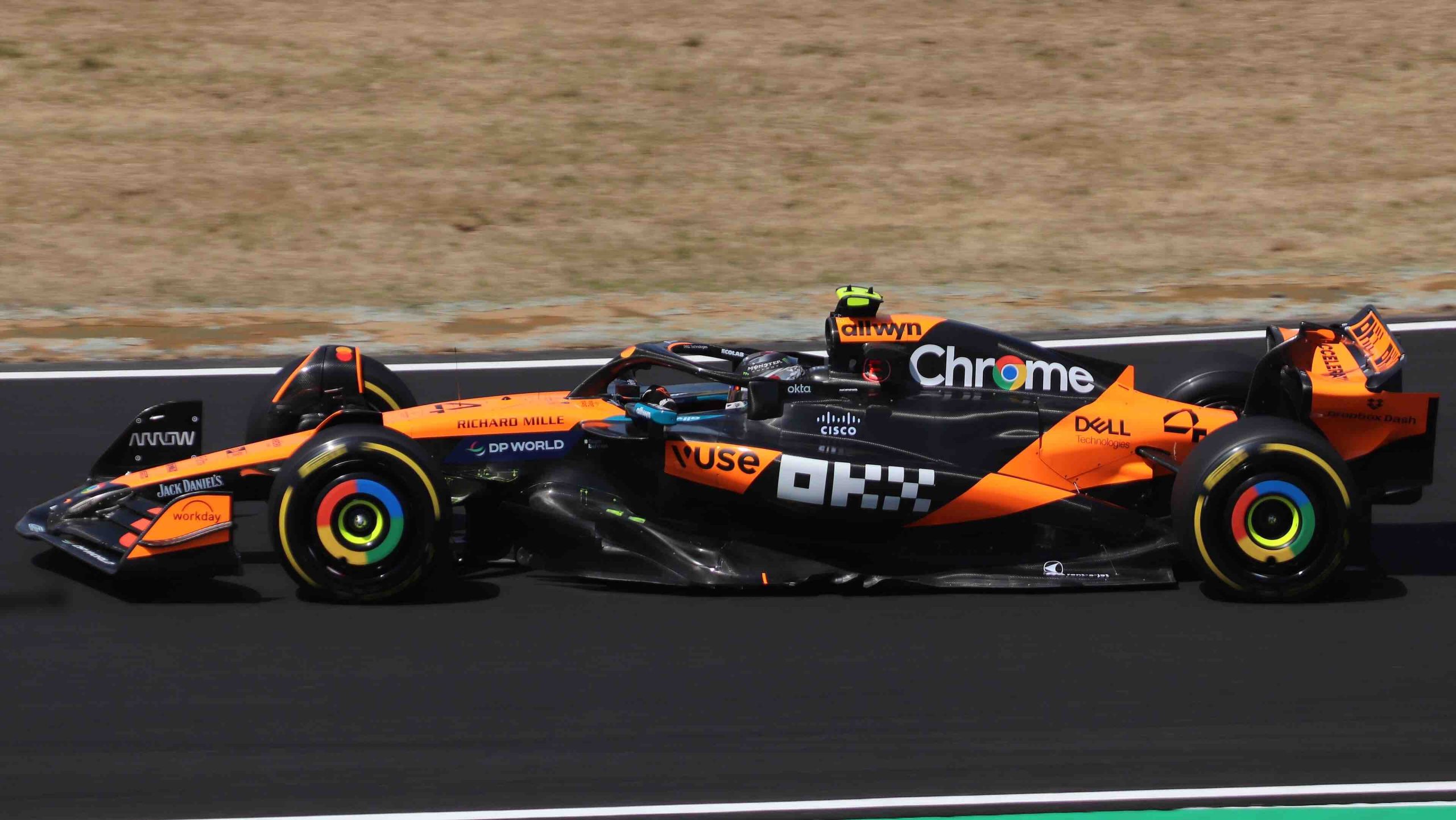
Main Image: By Liauzh – Own work, CC BY-SA 4.0, https://commons.wikimedia.org/w/index.php?curid=163282655
Click here for more News & Current Affairs at EU Today
Click here to check out EU TODAY’S SPORTS PAGE!
_____________________________________________________________________________________________________________________