
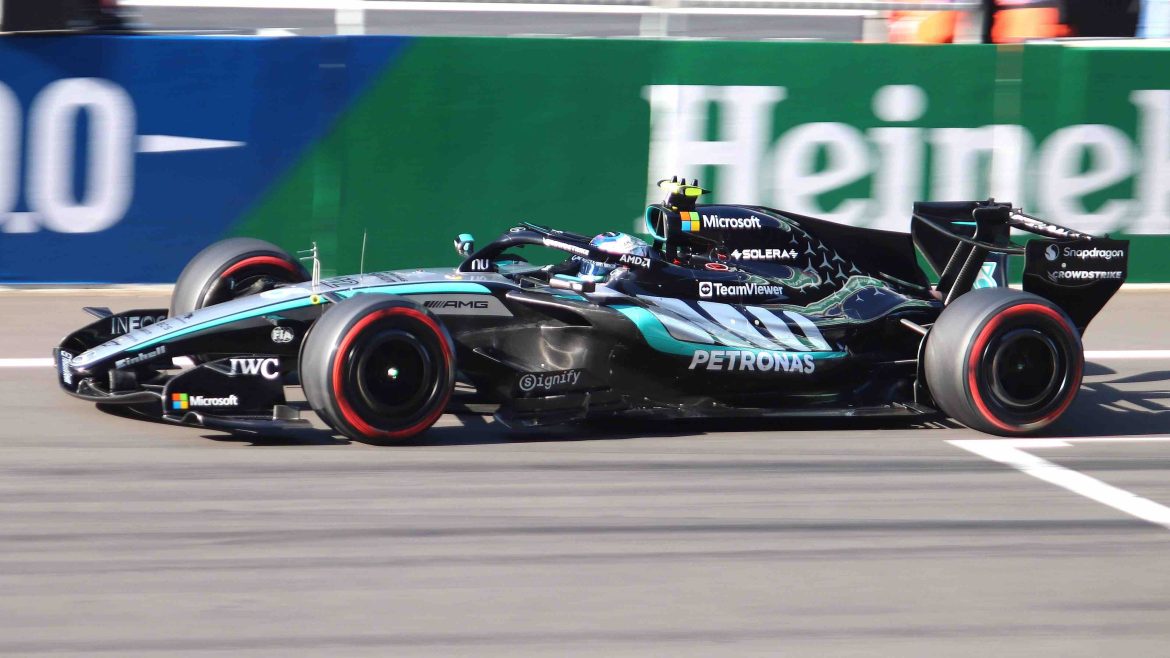
Monaco Grand Prix: The engines will be screaming once again through the narrow streets of Monte Carlo as Formula One’s most famous race weekend gets underway.
Today, June 6th, marks the first major practice day of the 2026 Monaco Grand Prix weekend, with drivers beginning the delicate process of mastering one of the most demanding circuits in world sport. For many, Monaco is more than just another race. It is Formula One’s crown jewel, a contest where precision matters more than outright speed and where a single mistake can destroy an entire weekend.
Nestled between luxury hotels, super-yachts and cliffside apartments, the Circuit de Monaco remains the sport’s ultimate challenge. Measuring just 3.337 kilometres, the track winds through the principality’s streets with almost no margin for error. Drivers spend the weekend flirting with barriers at every turn, knowing that qualifying often determines the race outcome due to the extreme difficulty of overtaking.
The circuit’s reputation is legendary.
Icons including Ayrton Senna, Michael Schumacher and Alain Prost all built part of their legacy on these unforgiving streets. Senna’s six victories remain the benchmark against which every Monaco performance is measured.
This year’s race arrives with the championship firmly under the control of teenage sensation Kimi Antonelli. The Mercedes star has won four consecutive Grands Prix and carries a commanding lead into Monte Carlo, where another victory would further strengthen his grip on the title race.
Yet Monaco has a habit of rewriting scripts.
The unique demands of the circuit frequently neutralise the advantages enjoyed by the fastest cars elsewhere. Low-speed corners, relentless concentration and millimetre-perfect accuracy often create opportunities for rivals to challenge the established order.
That reality has fuelled optimism inside Ferrari.
The Italian team arrived in Monaco believing its chassis could be particularly effective on the twisting street circuit, and early indications suggest that confidence may be justified. Ferrari topped Friday’s running, with hometown favourite Charles Leclerc and teammate Lewis Hamilton setting the pace ahead of their championship rivals.
For Leclerc, the stakes are especially high.
Few victories in Formula One carry the emotional significance of winning at home, and the Monegasque driver has demonstrated impressive speed around the streets where he grew up. Many observers believe Ferrari may have its best opportunity yet to convert that potential into victory.
Hamilton, meanwhile, continues his search for a breakthrough triumph in Ferrari colours. The seven-time world champion has enjoyed success in Monaco before and knows better than most how crucial qualifying performance will be on Saturday afternoon.
The weather is unlikely to interfere significantly with proceedings.
Forecasts suggest pleasant Mediterranean conditions throughout the weekend, with temperatures around 20°C to 28°C and only a modest chance of rain. While Monaco can occasionally produce dramatic wet-weather races, teams currently expect largely dry conditions for both qualifying and Sunday’s Grand Prix.
That means today’s practice sessions take on even greater importance.
Drivers will spend every available lap refining car setup, learning tyre behaviour and building confidence around a circuit where fractions of a second can separate glory from disaster. Recent sessions have already produced incidents, including crashes and red flags, underlining how quickly Monaco punishes even the smallest error.
As yachts fill the harbour and celebrities descend on the principality, Formula One once again finds itself on its grandest stage.
The championship leader may hold the advantage on paper, but Monaco rarely follows conventional logic. With Ferrari showing promising pace, Hamilton seeking redemption, Leclerc chasing a dream victory in front of his home crowd and Mercedes determined to continue its remarkable season, all the ingredients are in place for another unforgettable chapter in Monte Carlo.
The glamour may be timeless. The danger remains very real. And as practice day unfolds tod, the battle for Formula One’s most coveted prize is only just beginning.
Main Image: By Liauzh – Own work, CC BY 4.0, https://commons.wikimedia.org/w/index.php?curid=186405419
Click here for more News & Current Affairs at EU Today
Click here to check out EU TODAY’S SPORTS PAGE!
___________________________________________________________________________________________________________________

