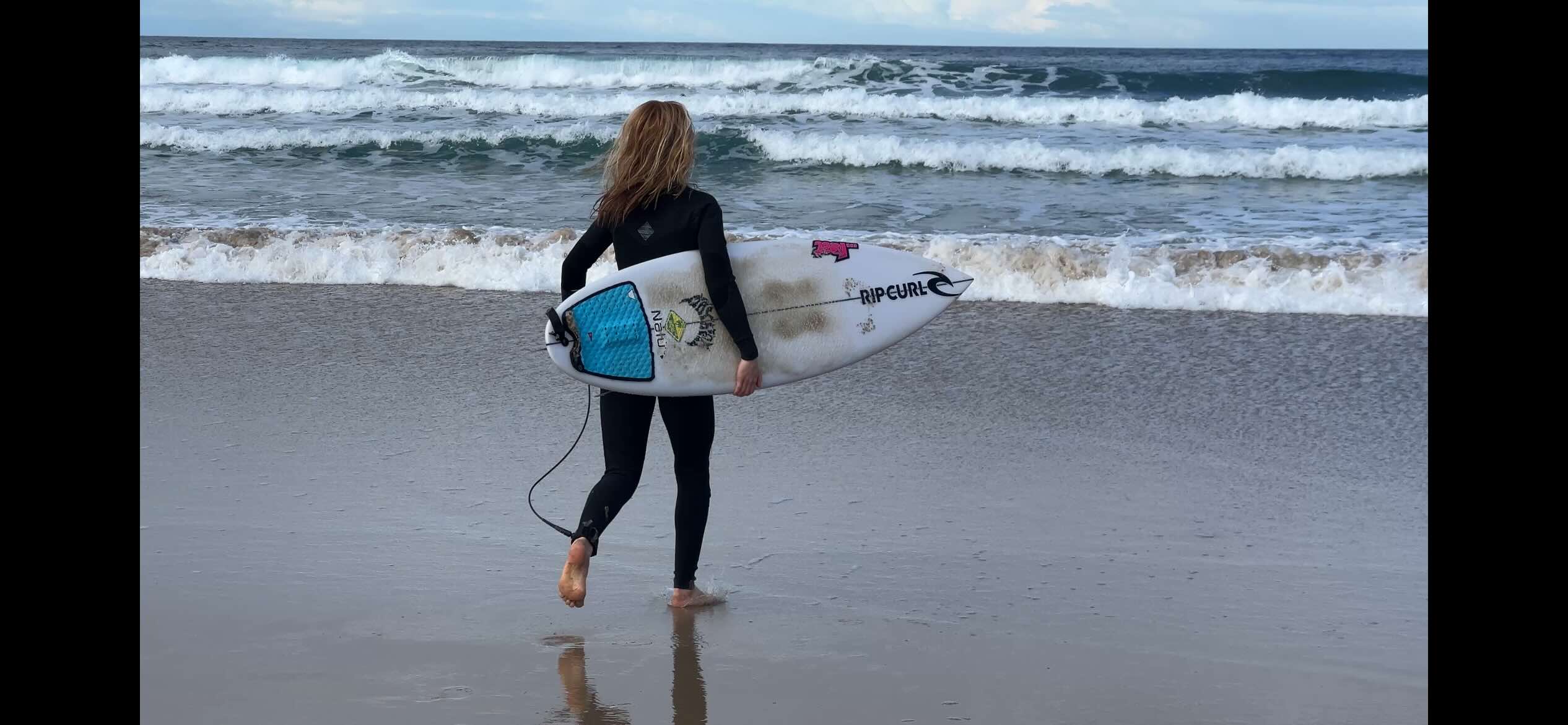
San Sebastián (Donostia) has three urban beaches within a compact shoreline and a surf scene anchored at Zurriola, the open-facing strand in the Gros district.
Set between the Kursaal Congress Centre and Mount Ulia, Zurriola looks directly to the Bay of Biscay, catching Atlantic swell that bypasses the more sheltered La Concha and Ondarreta bays to the west. The result is a reliable, city-centre beach break with an established lineup and a dense cluster of schools and rental outlets on the promenade behind.
Conditions are seasonal. Autumn and winter bring the most consistent surf as North Atlantic lows track into Biscay; swells are larger and more frequent, with October often a notably productive month. Spring can deliver clean windows, while summer tends towards smaller surf suitable for beginners and improvers, especially at mid to high tide. Local guidance points to autumn and winter as the prime periods, with summer offering gentler entry points for first-timers. A 4/3 mm suit is typical outside high summer.
Zurriola’s sandbanks shift with storms and dredge cycles, but the beach typically offers multiple peaks along its 800-metre arc. Banks near the river mouth can feel punchier; those fronting the Kursaal are often a fraction tamer and are frequently used by surf schools. Onshore winds are common by late morning; early sessions are favoured for cleaner faces. Spot guides also note that westerly to north-westerly swell with light easterly winds is the classic combination.
Safety is formalised. The municipality marks separate bathing and surf zones in season, with lifeguards enforcing flag systems and advising on rip currents—Zurriola warrants particular attention during high-energy days. Visitors should observe posted signage, keep clear of flagged swim lanes and carry a leash. As with any crowded urban break, the usual right-of-way rules apply: priority to the surfer nearest the peak, no snaking, and clear communication in the lineup.
La Concha, the city’s signature crescent, is generally calm thanks to its protective headlands and Santa Clara Island, but it does break on bigger systems. On such days the corners at either end can set up rideable walls across a postcard backdrop. Ondarreta, further west, is usually quiet for surfing and better for swimming or paddling except during occasional winter pulses.
San Sebastián’s surf culture extends beyond daily tides. Zurriola hosts local and junior contests and has previously been linked to WSL youth events, although plans are subject to change. In June 2025, for example, a WSL junior competition slated for Zurriola was cancelled amid organisational and eligibility disputes; a non-WSL youth event proceeded independently. The city has also been home to Surfilmfestibal, a long-running surf-culture film festival that mixes screenings, art and environmental programming.
Practicalities are straightforward. Zurriola sits a short walk over the river from the Old Town; boards and wetsuits are available from multiple hire outlets along Avenida de Zurriola and adjacent streets in Gros. Showers and amenities line the promenade, and the beach is staffed in season. The compact layout allows an easy routine: surf early, then cross the bridge for coffee and pintxos, or stay in Gros for lunch before an afternoon session if wind allows. City tourism materials describe Zurriola as the busiest beach with “the best surfing atmosphere,” a fair reflection of the on-sand mix of locals, visiting surfers and spectators.
For trip timing, autumn (September–November) is the most consistent across the Basque coast; winter (December–February) is powerful and can be challenging, with shorter periods of favourable wind. Spring (March–May) is variable but can be excellent during clean northerly windows. Summer (June–August) is warm, with smaller swell and fuller tides, suiting lessons and longboards. Regional overview guides corroborate the pattern: robust equinoctial swells, serious winter surf for experienced riders, and accessible summer waves for learners.
If conditions underwhelm in town, options lie close by. Zarautz, 20 minutes west, is a long beach that magnifies smaller swells; the French Landes and southern Basque coast to the north come into play when wind and period align. Conversely, when the Atlantic turns on in winter, San Sebastián’s shelter can be an advantage, with La Concha occasionally offering manageable corners while open coasts are overpowered.
A final note on etiquette and crowds. Zurriola is an urban break with limited peak capacity relative to demand at prime hours. Rotating through sets, avoiding drop-ins and giving space to lessons near the Kursaal zone keeps the lineup orderly. Rip channels change with the banks; identify them before paddling out and use them to exit rather than push through impact zones. Local safety bulletins emphasise reading the water and following lifeguard direction.
In summary, San Sebastián offers a credible, walkable surf option inside one of Europe’s most compact coastal cities. Zurriola provides the backbone: consistent in autumn and winter, serviceable for learners in summer, and embedded in a beach culture that is visibly part of daily life. With variable alternatives across the bay and along the coast, visiting surfers can plan a year-round city break that balances waves with the advantages of an urban base.