
Coca-Cola Europacific Partners, the European bottler for Coca-Cola, has announced that it had initiated a product recall across Belgium, Luxembourg, and the Netherlands due to the discovery of high levels of chlorate during routine testing at its bottling facility in Ghent, Belgium.
This recall has raised concerns about the safety of several well-known beverage brands and prompted scrutiny from food safety regulators in the affected regions.
The products subject to recall include Coca-Cola, Sprite, Fanta, Fuze Tea, Minute Maid, Nalu, Royal Bliss, and Tropico, specifically those sold in cans and glass bottles. These items were identified as containing elevated levels of chlorate, a chemical byproduct resulting from the use of chlorine dioxide in water disinfection processes.
According to the Luxembourg Veterinary and Food Administration, exposure to chlorate can potentially lead to kidney problems and disrupt thyroid function. The agency emphasised that the risk posed by the contaminated products cannot be dismissed, particularly for children, given the detected levels of chlorine.
Food safety authorities in the Netherlands and Belgium echoed these concerns. The Dutch Food and Consumer Product Safety Authority issued a warning urging consumers to avoid drinking the affected beverages, while Belgium’s Federal Agency for the Safety of the Food Chain similarly announced a recall. These coordinated efforts reflect the seriousness of the situation and the shared goal of protecting public health.
In a statement on Tuesday, a spokesperson for Coca-Cola Europacific Partners clarified that the recall was confined to Belgium, Luxembourg, and the Netherlands, with no immediate plans to extend it to other countries.
However, the company acknowledged that a limited quantity of the products had been distributed to Germany, France, and Britain. Discussions with regulatory agencies in these countries are ongoing to determine whether further action is required. The production codes of the recalled products range from “328 GE” to “338 GE,” which are printed on bottles and cans for identification.
The company emphasized that an independent expert analysis had assessed the risk to consumers as “very low.” Despite this, Coca-Cola Europacific Partners has taken proactive measures by publishing a comprehensive list of recalled products to ensure transparency and consumer safety. The spokesperson did not specify the exact number of items affected but highlighted the scale of operations at the Ghent facility, which processes 66,000 glass bottles and 120,000 cans per hour, operating 24/7.
The detection of high chlorate levels has triggered broader reviews of Coca-Cola products in other European markets. In the United Kingdom, Anne Gravett of the Food Standards Agency stated that the organisation is investigating whether any products with elevated chlorate levels have entered the local market. This precautionary approach underscores the ripple effect of the recall and the need for vigilance in monitoring food and beverage safety across borders.
Chlorate contamination primarily arises from its use in disinfecting water to control taste and odour. While such measures are standard in food and beverage production, excessive chlorate levels can compromise safety. Long-term exposure to chlorate has been linked to adverse health effects, particularly on the kidneys and thyroid gland. Children, who are more sensitive to chemical exposures, are considered especially vulnerable.
This incident has highlighted the importance of rigorous quality control and routine testing in the food and beverage industry. It also serves as a reminder of the critical role played by regulatory agencies in safeguarding public health. Coca-Cola Europacific Partners’ swift response, including the recall and ongoing dialogue with regulators, reflects a commitment to addressing the issue transparently and responsibly.
As investigations continue, consumers in the affected regions are advised to check the production codes on their Coca-Cola, Sprite, Fanta, Fuze Tea, Minute Maid, Nalu, Royal Bliss, and Tropico products. If the codes match those listed in the recall, they should refrain from consuming the beverages and follow the guidance provided by local food safety authorities.
While the company has stated that the likelihood of associated health risks is low, the recall underscores the need for constant vigilance in ensuring product safety. Consumers and regulatory bodies alike will be closely monitoring Coca-Cola Europacific Partners’ efforts to resolve the issue and prevent future occurrences.
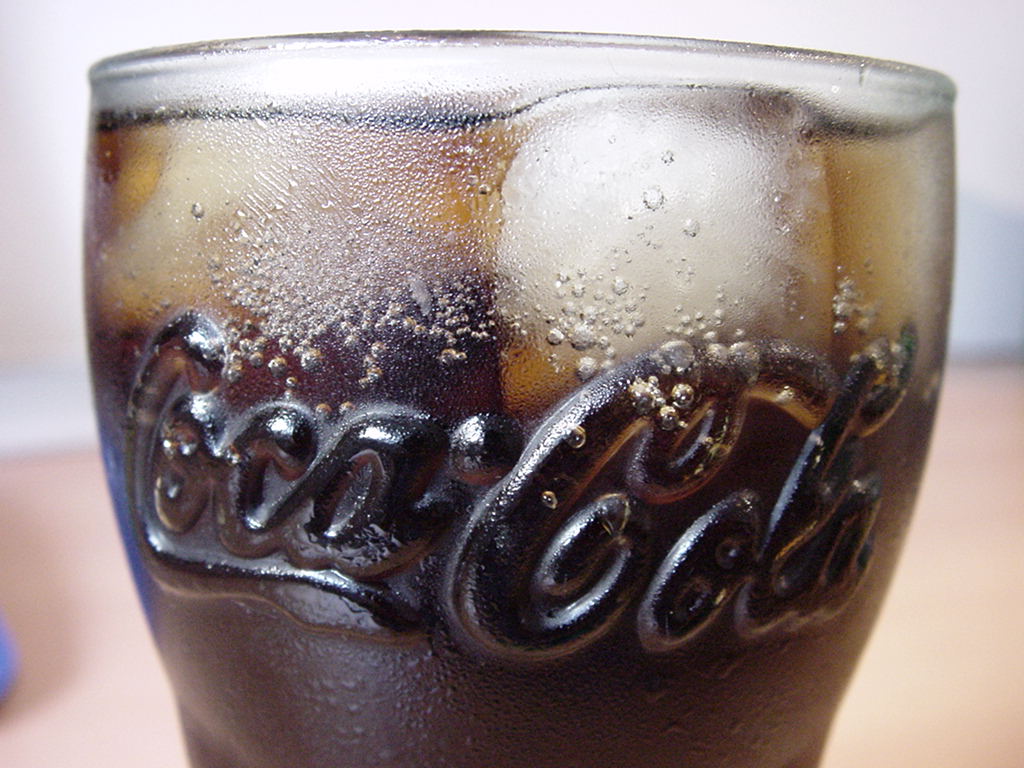
Main Image: By Summi from German Wikipedia – Own work, Public Domain, https://commons.wikimedia.org/w/index.php?curid=83834

