
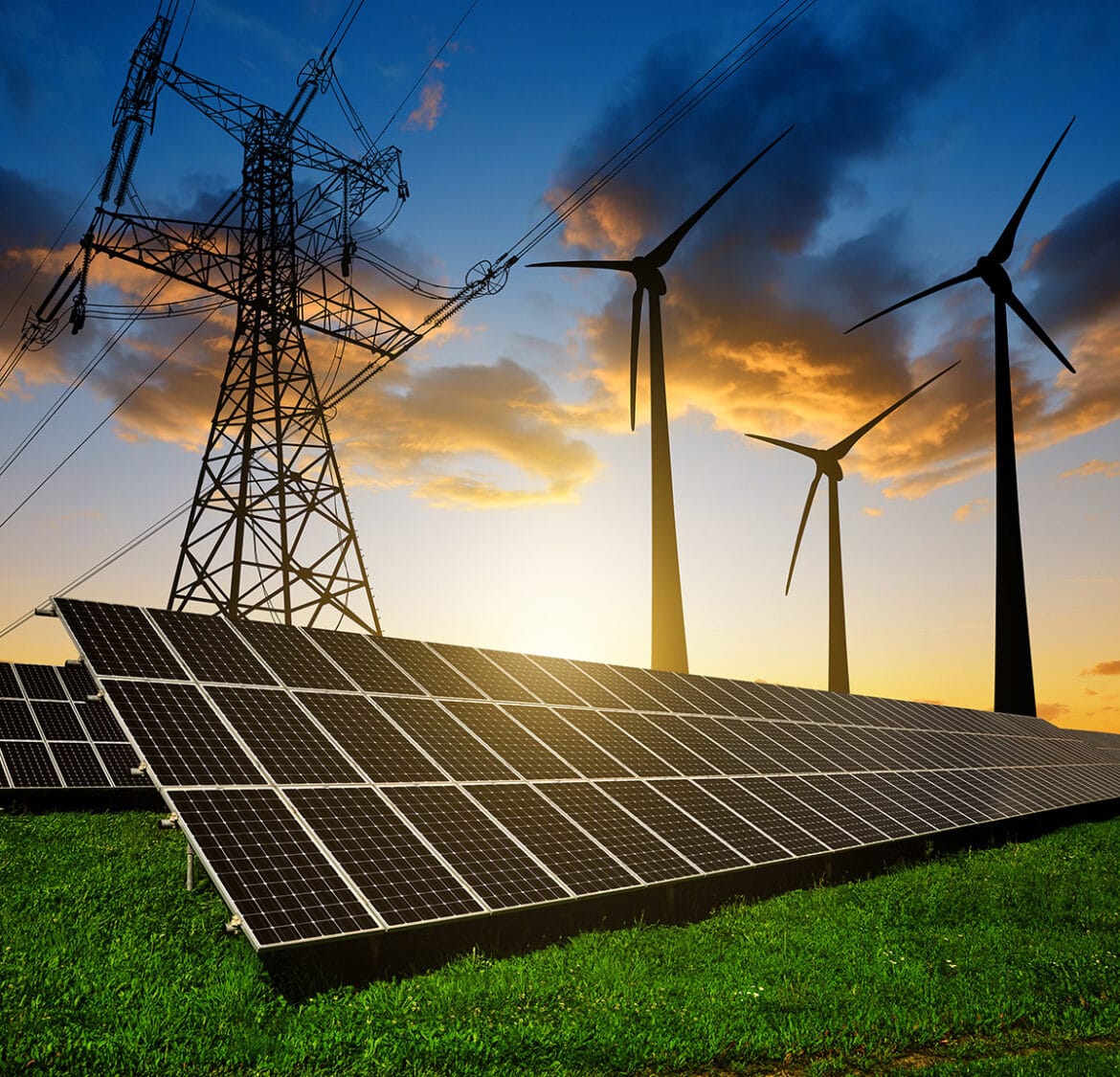
Europe’s energy revolution has finally crossed a symbolic threshold. According to new figures this week, wind and solar power have overtaken fossil fuels as the EU’s largest source of electricity generation.
For Brussels, this is being hailed as a historic victory: proof that climate targets are being met, that the green transition is “working”, and that Europe is leading the world by moral and technological example.
Yet behind the congratulatory press releases and self-satisfied briefings, a far more complicated – and uncomfortable – reality is taking shape. This milestone is real, but so are the costs, trade-offs and vulnerabilities it brings with it. And if Europe is not honest about those, this energy triumph risks becoming another case of political complacency masquerading as progress.
There is no denying the scale of the shift. In little more than a decade, the EU has transformed its power mix. Coal has collapsed. Gas, once billed as a “bridge fuel”, is now in retreat. Wind farms sprawl across the North Sea, solar panels carpet southern Europe, and renewables now account for a larger share of electricity than all fossil fuels combined. On paper, this is precisely what climate campaigners demanded.
But electricity statistics, like all political numbers, tell only part of the story. Europe’s leaders are keen to frame this moment as proof that decarbonisation and prosperity go hand in hand. The lived experience of many households and businesses suggests otherwise.
Energy bills across much of Europe remain painfully high by historical standards. While prices have fallen from the crisis peaks triggered by Russia’s invasion of Ukraine, they have not returned to the levels that underpinned Europe’s industrial competitiveness for decades. For energy-intensive manufacturers – chemicals, steel, fertilisers – the shift away from cheap fossil fuels has coincided with plant closures, relocations and job losses. That reality rarely features in the celebratory rhetoric.
Nor is the system as clean or secure as the headline figures imply. Wind and solar may dominate annual generation totals, but they do not dominate when electricity is actually needed most. Calm winter evenings still require gas-fired power stations to keep the lights on. When drought hits southern Europe, hydroelectric output collapses. When cold spells settle over the continent, energy demand surges just as renewable output falters.
The result is a grid that is greener, yes, but also more fragile. Europe has replaced one dependency – imported fossil fuels – with another: weather patterns, global supply chains for rare earths, and an ever-growing reliance on backup systems that policymakers prefer not to talk about. Gas has not disappeared; it has simply been pushed into the background, ready to re-emerge whenever the wind drops.
There is also an uncomfortable geopolitical dimension. Europe’s renewable boom depends heavily on components manufactured elsewhere, particularly in China. Solar panels, battery cells and key materials are overwhelmingly sourced from supply chains over which Brussels has little control. In reducing its exposure to Russian gas, the EU may have increased its exposure to a different strategic risk – one that is less visible, but no less significant.
Supporters of the transition argue that these are teething problems, that investment in grids, storage and interconnection will smooth out volatility. Perhaps. But such projects take years, often decades, to deliver. In the meantime, policymakers have quietly accepted higher energy costs as the price of virtue. That is a political choice, not a technical inevitability.
It is also one that risks eroding public consent. Europe’s green transition has so far been sustained by subsidies, mandates and regulation, rather than by genuine popular enthusiasm. Voters tolerate higher bills when they believe the pain is temporary and fairly shared. They become restless when it feels permanent and imposed from above. The rise of populist parties across the continent is not unrelated to this growing sense of economic dislocation.
None of this is an argument for clinging to coal or abandoning climate goals. The direction of travel was always clear, and delaying the shift would have carried its own costs. But there is a world of difference between decarbonising pragmatically and declaring victory prematurely. Europe has crossed a statistical milestone, not reached an energy utopia.
The real test will come not in a favourable year for wind and sunshine, but in the next major crisis: a prolonged cold winter, a geopolitical shock, or an industrial confrontation that exposes how much of Europe’s green infrastructure is built elsewhere. When that moment arrives, citizens will care less about percentage shares and more about whether the power stays on and whether they can afford it.
If European leaders want this renewable milestone to endure, they must pair ambition with realism. That means investing seriously in grid resilience, storage and domestic manufacturing. It means acknowledging that fossil fuels, particularly gas, still play a critical stabilising role. And it means being honest with voters about the costs as well as the benefits of the transition.
Wind and solar overtaking fossil fuels is an achievement. But it is not the end of the story. It is the beginning of a far more difficult phase – one in which ideology must give way to engineering, and slogans to hard choices. Whether Europe is ready for that test remains very much an open question.
Click here for more News & Current Affairs at EU Today
Click here to check out EU TODAY’S SPORTS PAGE!
_____________________________________________________________________________________________________________________________

