
Belgium has openly rejected a new European Commission plan to channel frozen Russian state assets to Ukraine through a so-called “reparations loan”, warning that Brussels is asking it to shoulder disproportionate legal and financial risks and that its concerns are being treated lightly by partners.
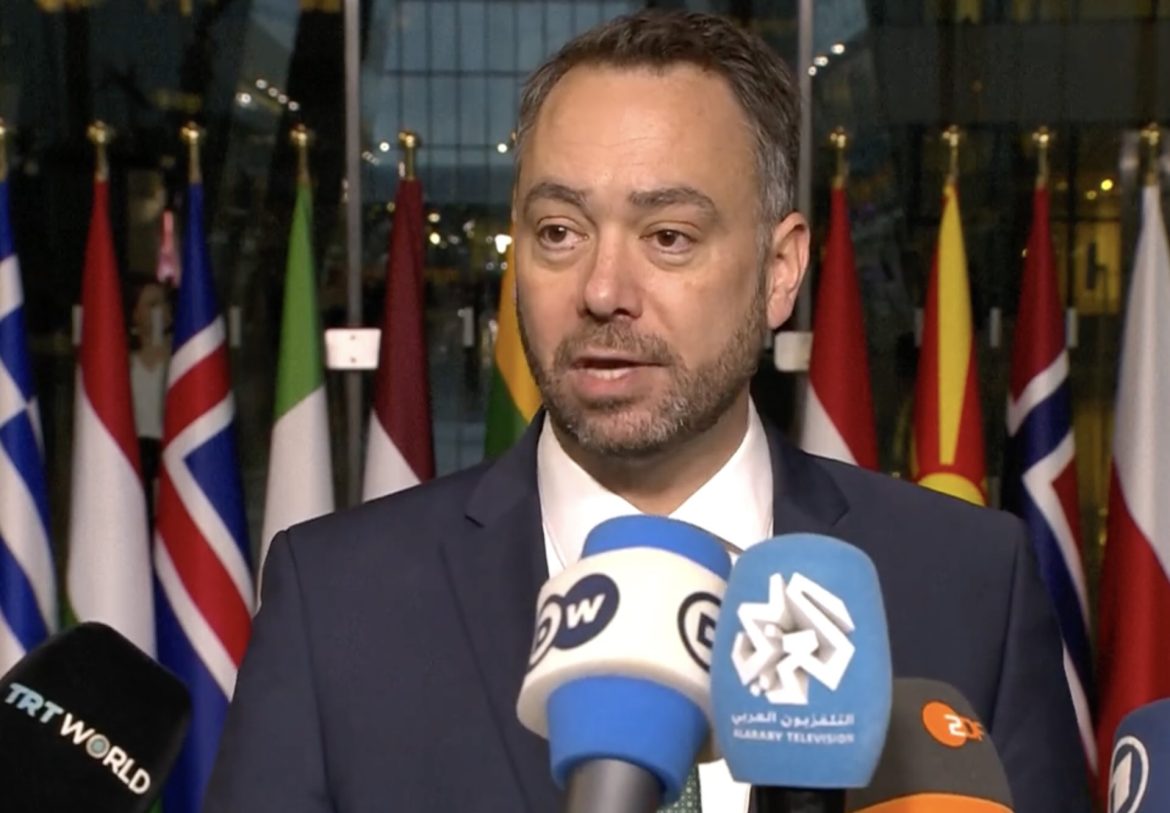
Speaking in Brussels on Wednesday ahead of a meeting of NATO foreign ministers, Belgian foreign minister Maxime Prévot said the emerging Commission proposal to use immobilised Russian central bank reserves as backing for a long-term loan to Ukraine was “categorically unacceptable” for his government.
The scheme, due to be unveiled later on Wednesday, is built around using roughly €140 billion in frozen Russian central bank assets – the bulk of which are parked at the Brussels-based clearing house Euroclear – as collateral for a loan intended to cover Ukraine’s funding needs in 2026–27. Those needs are estimated in EU documents at around €130–136 billion in combined budgetary and military support.
Under the concept, Ukraine would receive up-front financing from the EU, with repayment in the future linked to Russian war reparations. The Commission argues that this avoids outright confiscation of the assets while signalling that Russia will ultimately pay for the damage caused by its full-scale invasion.
Belgium, however, has emerged as the principal blocker. Around €190–194 billion of the frozen Russian reserves are held at Euroclear in Belgium, making Belgian consent essential to any arrangement that goes beyond using only the windfall profits generated by the assets.
Reading from a prepared statement at NATO headquarters, Prévot reiterated that Brussels supports long-term financial assistance for Kyiv but regards the reparations-loan design as the least attractive option on the table. He described it as highly risky, unprecedented in international practice and insufficiently shielded against litigation by Russia or affected investors.
The Belgian government has instead pressed for what it calls a conventional solution: EU borrowing on capital markets backed by member states or the EU budget, similar to the joint borrowing model used during the COVID-19 pandemic. Prévot told reporters that this route was tried, tested and predictable compared with the more experimental structure now being advanced for Ukraine.
Beyond the technical objections, the foreign minister signalled clear political frustration. He said Belgium had the impression that its arguments were being discounted, despite the fact that the potential exposure of its financial system and public finances would be greater than that of other capitals, given the concentration of Russian assets at Euroclear.
That message reflects a harder line set out by Belgian prime minister Bart De Wever in a letter sent on 27 November to Commission president Ursula von der Leyen. In that letter, De Wever described the reparations loan as fundamentally flawed and warned that proceeding while the war is ongoing could complicate any eventual peace settlement, trigger Russian reprisals and embroil Belgium in lengthy and costly legal disputes.
De Wever has demanded “ironclad” guarantees from other EU states that Belgium will not be left to cover compensation claims or to reimburse Russia should courts later order the release of assets. He has also insisted that countries outside the EU which hold frozen Russian reserves – including the US, UK, Canada and Japan – should play a commensurate role if the West moves beyond using only the interest on the assets.
Euroclear and the National Bank of Belgium have sent their own warnings to EU institutions about the potential impact of the scheme on financial stability and investor confidence. In parallel, the European Central Bank has indicated that it cannot support an EU loan arrangement that relies directly on frozen Russian reserves, citing risks to the international standing of the euro.
Brussels forced to rethink €140bn Ukraine funding scheme after ECB objections
Most EU governments, and the Commission, see the reparations-loan model as a way to secure a multi-year financial lifeline for Ukraine without placing additional strain on national budgets already under pressure from higher defence and energy spending. The Union has committed more than €170 billion to Ukraine since the start of the full-scale invasion in 2022, and officials warn that Kyiv’s public finances could come under acute strain by mid-2026 without fresh commitments.
Belgium maintains that it is not questioning the need to support Ukraine but wants a different balance of risk. Prévot said on Wednesday that the current text being prepared by the Commission did not respond adequately to the concerns set out by his government and that, under the present design, the EU executive would in effect be leaving Belgium alone to absorb the main consequences if anything goes wrong.
Diplomats in Brussels say the firmness of the Belgian position, coming from the state that hosts Euroclear and holds the largest share of the frozen assets, significantly reduces the chances that EU leaders will be able to sign off the reparations-loan plan at their summit on 18–19 December. If no alternative package can be agreed in parallel, that would raise fresh questions over how the EU intends to guarantee Ukraine’s financial stability beyond 2025.
Belgium’s Euroclear windfall: tracing the money promised to Ukraine

