
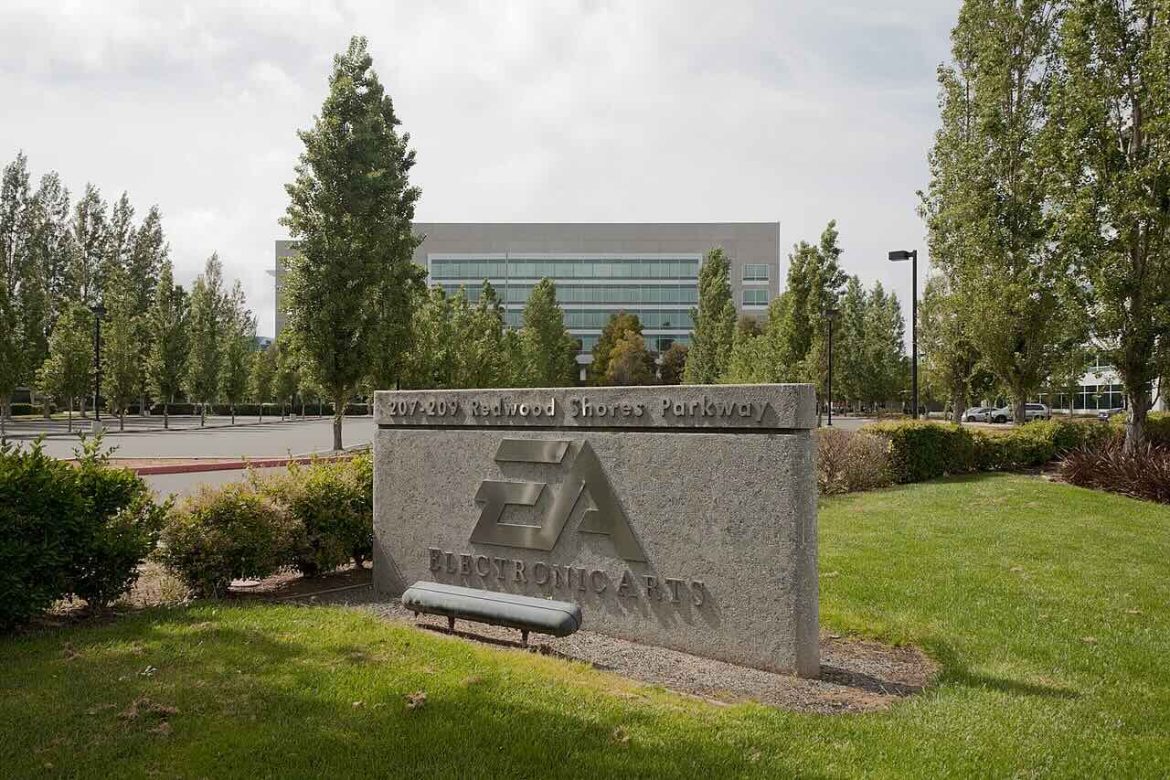
Brussels’ review of the Saudi-backed Electronic Arts acquisition gives the EU a visible test of how far its foreign-subsidy powers can reach into state-linked capital in digital consumer markets.
A Saudi-led investor group’s request for EU Foreign Subsidies Regulation clearance for its $55 billion acquisition of Electronic Arts has turned one of the world’s biggest gaming deals into a test of Brussels’ power over state-linked capital.
The investor group, which includes Saudi Arabia’s Public Investment Fund, had sought EU clearance under the Foreign Subsidies Regulation. The filing gives the European Commission a deadline and a politically visible case in a sector that sits between entertainment, consumer technology, data and digital infrastructure.
This is not just a gaming story. The case asks whether Brussels can scrutinise sovereign wealth and foreign state-backed financing when it enters strategic consumer markets through large acquisitions.
Why the EA Deal Matters
Electronic Arts is one of the world’s most important video game companies, with franchises including EA Sports FC, Madden, Battlefield, The Sims and Apex Legends. The proposed acquisition is part of a wider trend in which gaming, esports, streaming, data and social platforms are becoming economically and culturally strategic.
Tom’s Hardware reported that EA’s $55 billion deal with a consortium including PIF, Silver Lake and Affinity Partners would be one of the largest buyouts of a public company. PIF had already built a significant position in EA before the deal.
For Saudi Arabia, gaming is part of a broader diversification strategy. For Brussels, the question is not whether Saudi capital can invest in Europe-linked markets. It is whether non-EU state support creates advantages that distort competition or influence market structure.
The Foreign Subsidies Test
The EU’s Foreign Subsidies Regulation gives the Commission power to examine whether financial contributions from non-EU governments distort the internal market. It covers large mergers and public procurement cases where foreign subsidies may affect competitive conditions.
That tool was created partly because EU state-aid rules discipline member-state subsidies, while foreign subsidies entering the market through acquisitions or contracts were harder to address. The EA case gives the Commission a highly visible digital-market example.
The issue is not only whether PIF or other investors received support. It is whether any such support allowed the consortium to offer terms, financing or risk tolerance that unsubsidised investors could not match.
Gaming as Strategic Consumer Tech
Gaming is no longer a niche entertainment industry. Large publishers manage user data, online communities, payments, digital marketplaces, cloud services, esports and intellectual property that can be monetised across film, sport and advertising.
That makes ownership politically relevant. The Financial Times reported last year on how Jared Kushner helped broker the EA takeover, describing the role of Affinity Partners, Silver Lake and Saudi Arabia’s PIF in structuring the transaction.
For the EU, the deal sits alongside wider concerns about foreign investment in digital markets. Brussels has become more willing to examine foreign capital, state subsidies and strategic dependencies, especially where consumer platforms or digital infrastructure are involved.
A Precedent Question
The Commission does not need to block the EA deal for the review to matter. It could approve the transaction, impose conditions, request commitments or examine whether foreign financial contributions distort the market. Whatever the outcome, the case will help define how the Foreign Subsidies Regulation is used in consumer technology.
If Brussels takes a light approach, critics may argue that the new tool is less powerful when applied to politically sensitive Gulf capital. If it takes a tougher approach, investors may see the EU as more willing to scrutinise sovereign wealth deals in sectors previously treated as entertainment.
That is why the EA filing matters more than the gaming headlines. It is a test of whether the EU can apply its foreign-subsidy powers consistently across sectors, not only against Chinese industrial groups or infrastructure bidders.
The deal also shows how Europe’s competition agenda is changing. Merger control used to focus mainly on price, market share and consumer choice. The new question is whether state-linked capital can reshape markets before traditional antitrust tools detect harm.
EA’s future may be decided by investors. But the EU’s decision will show how far Brussels is prepared to police the money behind the deal.

