American negotiators pressing for a rapid Russia–Ukraine settlement have floated an unusually compressed timetable: a peace agreement by March 2026, followed by a nationwide referendum on the terms and new elections in May.
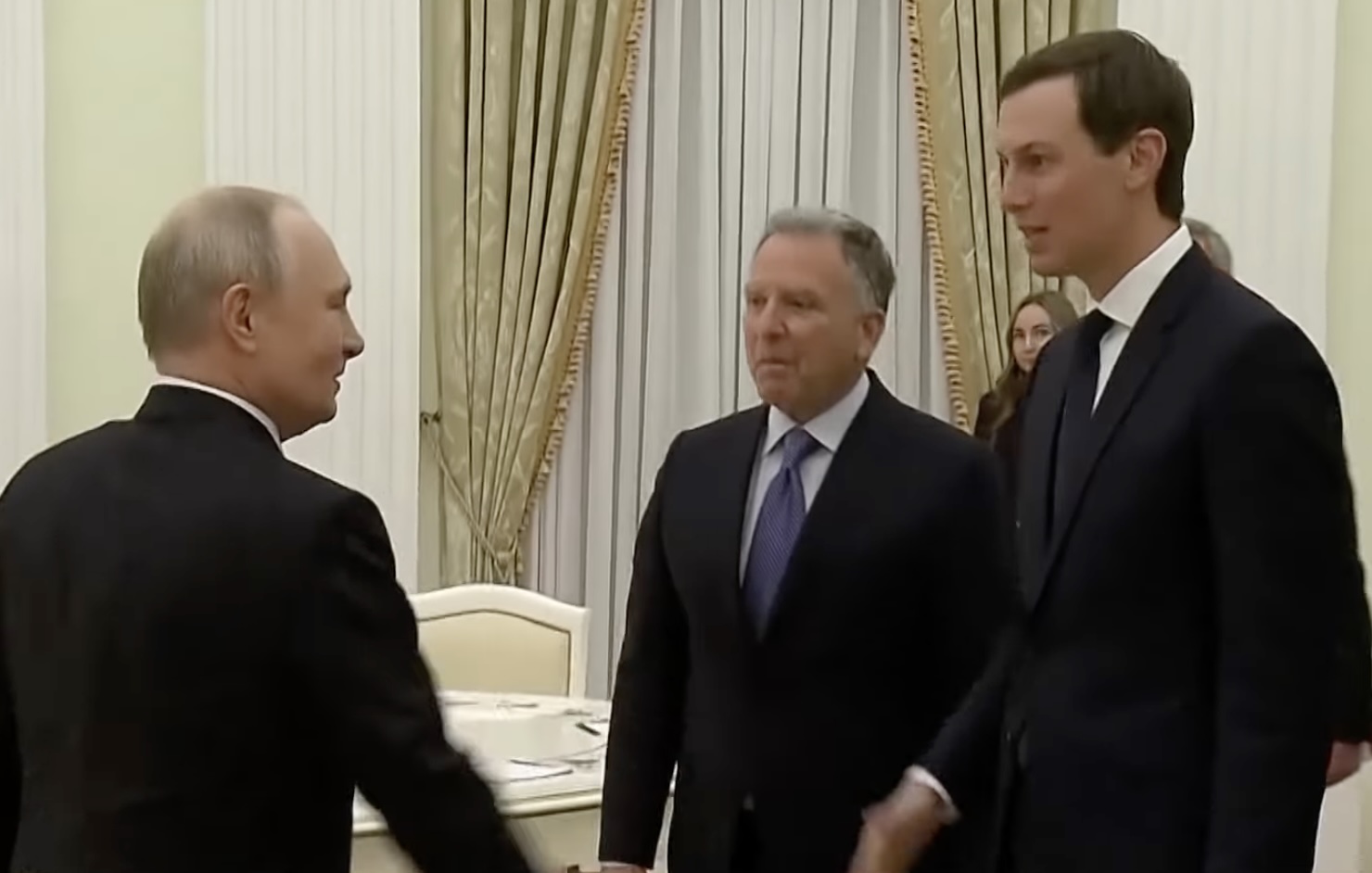
The proposal, reported by Reuters, has been discussed in meetings involving the US team led by President Donald Trump’s special envoy Steve Witkoff and Trump’s son-in-law Jared Kushner.
According to people familiar with the talks, the US side has argued that an early vote would help anchor any deal in public legitimacy while creating political momentum to lock in commitments before negotiations drift. Reuters reported that the suggested May window has been mentioned as a possible point for holding a referendum and national elections simultaneously, though several sources described the timeline as unrealistic given the state of the war and the issues still in dispute.
The American pitch has been framed, in part, against the approach of the US congressional elections in November 2026. Reuters said some interlocutors have been told that the White House’s bandwidth for sustained mediation could narrow as domestic political priorities intensify ahead of the vote.
Others interpret the same political calendar differently. A foreign-policy achievement would be useful to Trump during an election year, particularly after repeated public claims that he could deliver a swift end to the conflict. Trump himself has continued to signal optimism, telling reporters on 7 February that “very good talks” were under way even as the war continued.
Substantively, the obstacles to a March deal remain substantial. Reuters identified unresolved territorial questions as the principal barrier, alongside disagreements over strategic infrastructure. Among the most contentious issues are Russian positions on eastern Ukraine and the status of the Zaporizhzhia nuclear power plant, which has been under Russian control since 2022. Any formula that implies Ukrainian territorial concessions would be politically and legally fraught in Kyiv, and sources quoted by Reuters suggested the timetable assumes movement on issues that have not been bridged.
Even if negotiators reached a text, turning it into a binding domestic settlement inside Ukraine would be complex. Ukraine remains under martial law, introduced after Russia’s full-scale invasion in February 2022, and the practical mechanics of organising a nationwide referendum and parliamentary and presidential elections during wartime are unclear. Security risks, voter access in frontline regions, and participation by displaced citizens and personnel in the armed forces would all require detailed arrangements and resources. Reuters reported that these logistical and legal constraints have been raised as reasons the proposed May schedule is difficult to implement.
There is also the constitutional dimension. Ukraine’s constitution affirms the indivisibility and inviolability of its territory. While referendums exist within Ukraine’s legal framework, the use of a popular vote to authorise territorial change is contested and has been treated restrictively in prior legal assessments. A Venice Commission analysis of Ukraine’s referendum legislation noted specific constraints, including limits on initiating referendums on territorial change by popular initiative, underlining the sensitivity of using referendums for such questions.
Beyond the referendum itself, any durable settlement that required constitutional amendments would face parliamentary hurdles. Constitutional change in Ukraine requires defined procedures and voting thresholds in the Verkhovna Rada, and Ukrainian law and practice place limits on constitutional revision in conditions of martial law. In addition, any major constitutional question can end up before the Constitutional Court, where procedural requirements, including quorum and judicial capacity, can become decisive. These constraints mean that even a politically endorsed deal could become trapped in sequencing problems: ceasefire arrangements, the lifting of martial law, electoral administration, and constitutional procedure would each depend on the other.
The US initiative also carries negotiation risks. Even if Kyiv were to accept a framework that implied painful compromises, Ukrainian officials and analysts have questioned whether Moscow’s demands would stabilise or whether fresh conditions would be introduced at a later stage. The history of talks since 2022 has shown repeated shifts in Russia’s stated objectives, while the battlefield situation continues to shape bargaining power.
Meanwhile, the war itself continues to impose its own timetable. Russia has maintained strikes on Ukrainian cities and energy infrastructure, while Ukraine continues to defend territory along a long фронт. The persistence of attacks complicates any effort to sell a rapid electoral and referendum schedule as a normal democratic exercise, and it increases the likelihood that any political process would be conducted under direct pressure from events at the front.
For Washington, the March–May concept appears designed to force decisions and prevent talks from slipping into open-ended diplomacy. For Kyiv, the central question is whether speed can be reconciled with sovereignty, constitutional process, and wartime reality. For Moscow, the key question remains whether it is prepared to trade maximalist war aims for an agreement that Ukraine can ratify and sustain. As negotiations proceed, the gap between diplomatic ambition and domestic feasibility may prove as difficult as the gap between the two sides’ territorial positions.