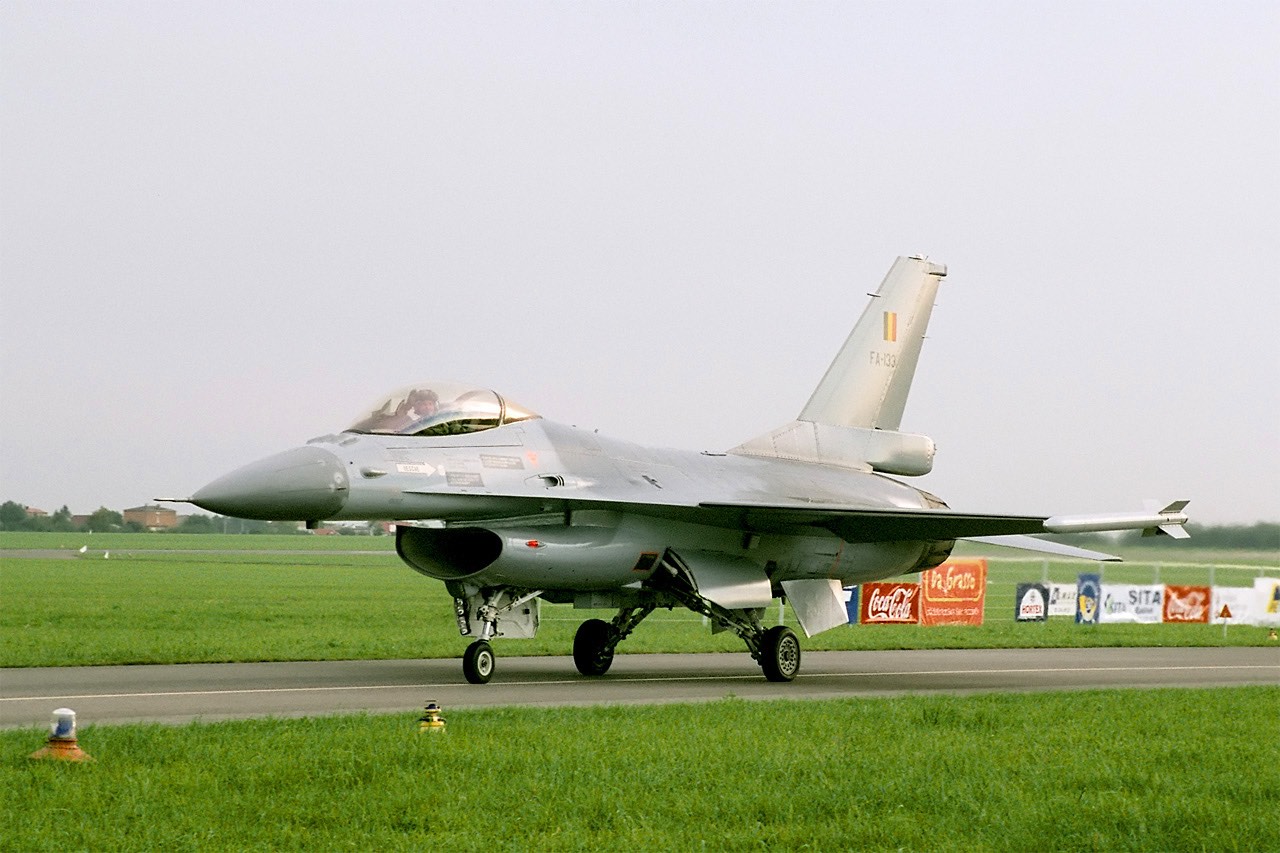
Belgium’s new government has announced an ambitious plan to significantly increase defence spending in the coming years, aiming to rectify its long-standing reputation as one of NATO’s weakest contributors.
The government, led by Prime Minister Bart De Wever, has committed to bringing Belgium’s defence budget in line with NATO’s spending targets by 2029, signaling a major shift in the country’s approach to military investment.
A Commitment to Rebuilding Defence
Belgium’s Defence Minister, Theo Francken, emphasised the urgent need for increased military spending in a speech to Belgian ambassadors on February 7th.
He described the current state of Belgium’s defence capabilities as a “period of national disgrace,” acknowledging the country’s history of underinvestment in its armed forces.
He stressed that Belgium, as a founding member of NATO, must take its responsibilities seriously and move away from its status as a “free rider” within the alliance, somewhat ironic as Belgium is home to both NATO and SHAPE headquarters and thus benefits economically from the presence of many thousands of highly paid diplomatic staff being based in the country.
In 2023, Belgium allocated just 1.3% of its GDP to defense, placing it among NATO’s lowest spenders, alongside Spain, Luxembourg, and Slovenia. Despite the alliance’s 2014 agreement for member states to reach a 2% GDP defense spending target within a decade, only 23 of the 32 NATO allies met this goal last year. Belgium, in contrast, fell far short.
Strategic Investments in Military Capabilities
To address this deficiency, the new coalition government plans substantial investments in military assets, including air defence systems, additional F-35 fighter jets, and a third frigate. A key component of the strategy involves fulfilling obligations under Article 3 of the NATO treaty, which calls for both national and collective capacity to resist armed threats.
Minister Francken highlighted the importance of ensuring Belgium’s readiness for modern security challenges, referencing the Latin adage Si vis pacem, para bellum—“If you want peace, prepare for war.”
He pointed out that Belgium’s actual defence spending was even lower than reported, as 0.16% of its GDP was directed toward support for Ukraine, leaving only about 1.2% for its own military.
Roadmap to 2% and Beyond
The Belgian government’s defence spending is projected to reach 2% of GDP by 2029 and 2.5% by 2034. To facilitate this increase, Belgium will establish a Defence Fund within its federal investment company, with an expected contribution of €2.4 billion ($2.5 billion). This significant financial commitment will bring Belgium closer to the defence budgets of comparable nations such as Denmark and Norway, which both outspend Belgium despite having smaller populations.
Francken acknowledged that geopolitical tensions and financial constraints have brought Belgium’s defence underinvestment into the spotlight. He also noted that with Donald Trump’s return to office, discussions regarding NATO burden-sharing would likely become more forceful, stating, “I’m fully prepared for that.”
Procurement Priorities and Military Expansion
The Ministry of Defence is set to present a comprehensive investment plan ahead of the NATO summit in The Hague in June 2025, where alliance spending targets may be further increased. The coalition government’s agreement specifies key procurement priorities, including:
- Ammunition Stockpile Expansion: Belgium faces a critical shortage of munitions, making this an urgent focus.
- Air Defence Systems: The government aims to establish layered air defence to protect national and allied interests.
- Additional F-35 Fighter Jets: Belgium initially ordered 34 of the stealth aircraft in 2018 for €3.8 billion, with deliveries beginning this year. More will be added to enhance airpower.
- Small Transport Aircraft and Armed Drones: Supplementing the country’s fleet of seven A400M freighters, the acquisition of smaller transport planes and unmanned combat drones will enhance operational flexibility.
- Helicopter Fleet Expansion: Strengthening rotary-wing capabilities will bolster mobility and tactical support.
- A Third Frigate for the Navy: Belgium’s current fleet includes two frigates acquired from the Netherlands in 2005. Plans for a third vessel are now confirmed, ensuring that at least one frigate remains operational at all times.
- Maritime Minehunting Capability: Enhancing naval operations to address underwater threats.
Strengthening Defence Alliances
The Belgian government is also committed to reinforcing military cooperation with key European partners. The Netherlands recently expanded its own defence procurement, purchasing two additional frigates and six more F-35s, a move Belgium aims to follow. Prime Minister De Wever has specifically pointed out the need for dedicated air defence in Antwerp, Europe’s second-largest port and a key NATO logistics hub.
Beyond maritime and air power, Belgium will deepen collaboration with the Netherlands and Luxembourg in several defence domains, including air defence, air power, and special forces operations. The country also plans to enhance its Capacités Motorisées (CaMo) land forces cooperation with France, strengthening its existing motorised brigade with new capabilities such as deep-strike capability and rocket artillery.
Looking ahead, Belgium aims to establish a second brigade that can be deployed under NATO command, further demonstrating its renewed commitment to collective defense.
A New Era for Belgian Defence
The Belgian government’s defence overhaul represents a decisive shift from past neglect to a proactive, security-focused strategy. With mounting geopolitical uncertainties, NATO allies have increasingly called for fairer burden-sharing.
Belgium’s new trajectory aligns it with alliance expectations and enhances its ability to contribute meaningfully to European and global security.
By significantly boosting its defence budget and investing in modern military capabilities, Belgium is making a clear statement: it intends to shed its reputation as NATO’s weakest link and emerge as a reliable and capable ally in the years to come.
Main Image: CC BY-SA 2.5, https://commons.wikimedia.org/w/index.php?curid=370835