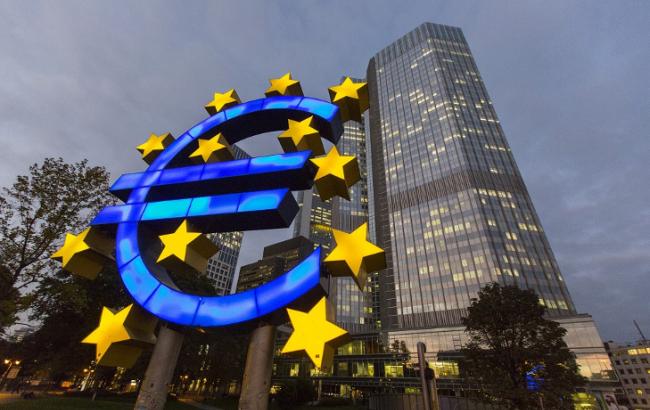
The European Central Bank left interest rates unchanged on Thursday, arguing that inflation remains on course to stabilise at its 2 per cent target despite a sharper-than-expected drop in the latest euro area price data.
After the meeting in Frankfurt on 5 February, the ECB said the deposit facility rate would remain at 2.00 per cent, with the main refinancing operations rate at 2.15 per cent and the marginal lending facility rate at 2.40 per cent. It repeated that decisions will be taken “meeting by meeting” and remain “data-dependent”, and said it is “not pre-committing to a particular rate path”.
The decision came a day after Eurostat’s flash estimate showed annual inflation in the euro area easing to 1.7 per cent in January 2026 from 2.0 per cent in December. It was the lowest headline rate since September 2024 and placed inflation below the ECB’s target.
Eurostat’s breakdown pointed to falling energy costs as the main driver. Energy inflation was estimated at -4.1 per cent year on year in January, compared with -1.9 per cent in December. Services inflation eased to 3.2 per cent from 3.4 per cent, while food, alcohol and tobacco rose to 2.7 per cent from 2.5 per cent. Non-energy industrial goods inflation was estimated at 0.4 per cent, slightly up from 0.3 per cent.
Eurostat also flagged methodological changes affecting the Harmonised Index of Consumer Prices from 4 February, including an updated consumption classification and a new reference period (2025=100). Such changes do not alter the headline reading for January but form part of the statistical framework used for future releases.
In its statement, the ECB said its updated assessment “reconfirms that inflation should stabilise at its 2% target in the medium term”. It described the euro area economy as “resilient in a challenging global environment”, citing low unemployment, solid private-sector balance sheets and the gradual rollout of public spending on defence and infrastructure, alongside the continuing effects of past rate cuts.
Market attention has centred on whether the inflation undershoot could prompt the ECB to reopen the debate on further easing after a run of holds. The Governing Council has now kept rates unchanged for a fifth consecutive meeting, following the easing cycle that began in mid-2024.
ECB officials have been wary of drawing conclusions from a single inflation print. Analysts note that energy prices can swing sharply month to month, and that services inflation—often linked to domestic wage and price-setting dynamics—remains above target-consistent levels even after January’s decline.
Growth data have provided a counterweight to disinflation concerns. Recent reporting cited stronger-than-expected output at the end of 2025, supported by consumption and investment, alongside labour market resilience. The ECB’s communication has emphasised transmission from earlier rate cuts and improving financial conditions, while also acknowledging external risks.
Those risks include uncertainty over global trade policy and geopolitics. Reuters reported that the ECB has judged its policy stance to be in a “good place” even as currency markets have been volatile, with attention on moves in the US dollar and the possibility of further trade frictions.
For households and businesses, the immediate implication is continuity: borrowing costs in the euro area are likely to remain broadly stable in the near term, and expectations for 2026 will continue to hinge on whether underlying inflation pressures keep easing and whether growth remains firm. The ECB’s approach leaves room for policy adjustment, but Thursday’s decision signalled that the Governing Council is not yet persuaded that January’s inflation dip changes the medium-term picture.