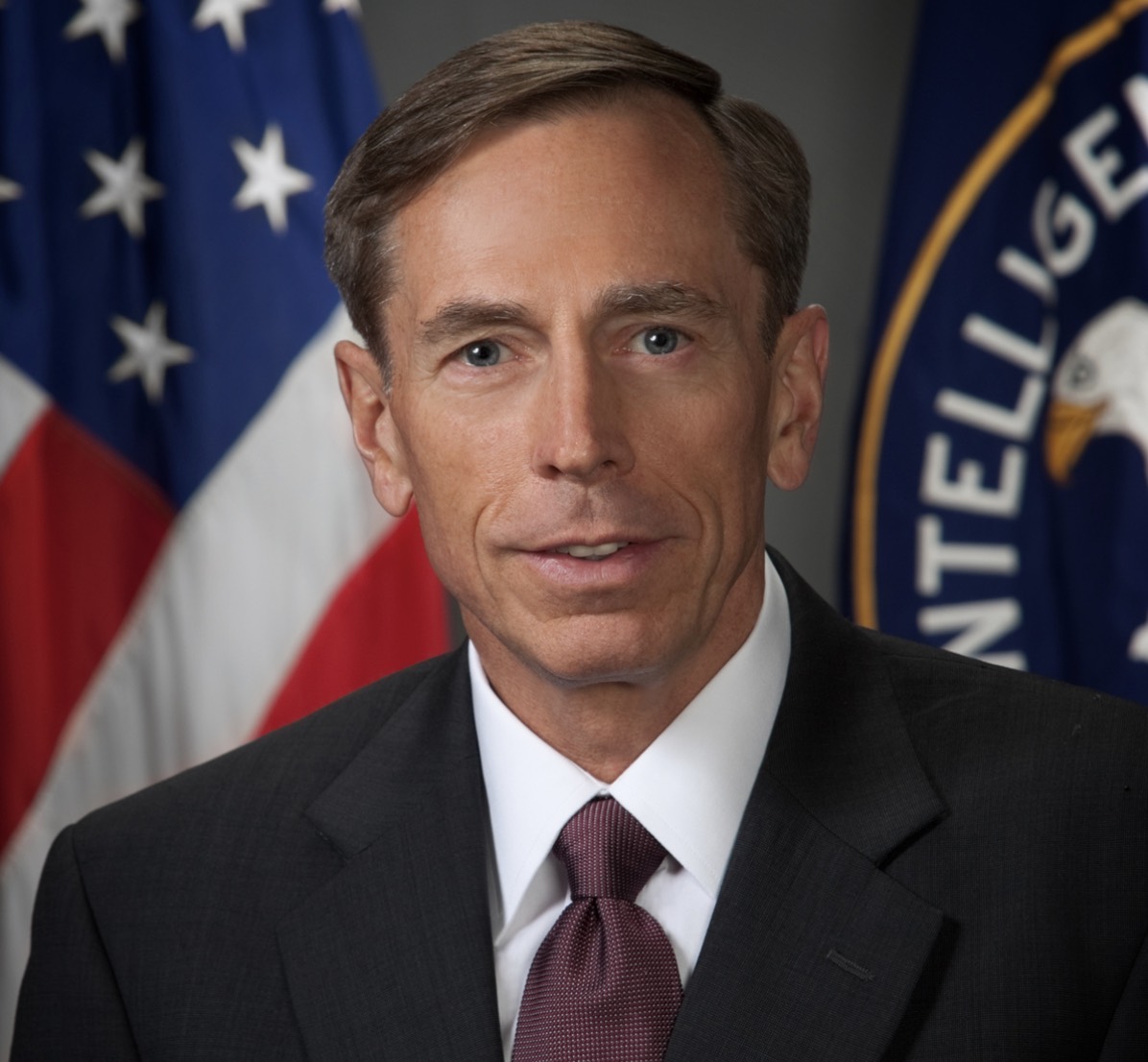
The spectre of Russian aggression extending beyond Ukraine looms larger than ever, and the warnings have now taken on the weight of General David Petraeus, one of America’s most seasoned military minds.
General David Petraeus, former CIA director and legendary battlefield commander, issued a grave assessment this week in London: if Vladimir Putin is permitted to succeed in Ukraine, Lithuania could be next.
Petraeus’s remarks, made at the Policy Exchange think tank, cut through the diplomatic niceties that so often accompany Western discussions of the war. Russia’s goals are not limited to Donbas or even the Black Sea; they are imperial in ambition and existential in consequence. “Once [Ukraine is] done, you are going to see them focus on one of the Baltic states,” he said. Lithuania, he warned, is particularly exposed.
It is a claim that should send a chill through NATO headquarters in Brussels. Lithuania, unlike Ukraine, is a full NATO member. An attack on Vilnius would invoke Article 5 — the collective defence clause — and plunge the alliance into direct military conflict with Russia. Yet Petraeus clearly doubts that this prospect alone is sufficient to deter Moscow. The Kremlin, he suggested, might test the alliance’s resolve with an incursion, gambling that the West will blink rather than bleed.
Such a scenario was unthinkable only a decade ago. But Petraeus’s blunt language reflects a shifting mood among Western security elites. The long-cherished belief that NATO’s red lines are inviolable is being eroded — not by military weakness, but by political dithering. From Washington to Brussels, caution has often masqueraded as prudence. The cost has been paid in Ukrainian blood and, if Petraeus is right, Lithuanian stability may be next.
The general’s criticism of successive US administrations was scathing. Former President Joe Biden, he argued, repeatedly armed Ukraine “too little, too late”, turning every weapons delivery into a drawn-out political drama. “Each time they’d have to ask and wait, and then we’d say no, and then maybe, and then eventually they’d get it,” he said. It is an indictment of an administration that publicly declared support for Ukraine while privately agonising over every shipment.
Whether it was F-16 fighters, long-range rocket systems or cluster munitions, the White House appeared to have been locked in a cycle of initial hesitation followed by reluctant concession. The result, Petraeus suggested, was that Ukraine was denied the tools to decisively shift the momentum on the battlefield. “We should have done so much with the Ukrainians that they could change the dynamic,” he said. Instead, the initiative remains contested — and Putin’s ambitions undeterred.
Petraeus’s rebuke of Donald Trump was no gentler. The President, he said, gave Putin too many “second chances” and indulged behaviour that was “absolutely crazy”. Though Trump has recently tried to rebrand himself as a hardliner on Russia, his past admiration for the Kremlin strongman is well-documented. Petraeus’s verdict is that such indulgence has weakened the West’s moral clarity and emboldened Moscow’s worst instincts.
A parallel failure is evident closer to home — in Brussels, where the European Commission’s bureaucratic inertia has frequently turned bold declarations into hollow gestures. While Commission President Ursula von der Leyen has spoken passionately about “standing with Ukraine for as long as it takes”, the machinery beneath her has often sputtered rather than surged.
There is a culture of indecision within the EU’s executive arm that has repeatedly hindered timely military aid, financial disbursements, and the kind of strategic clarity that deterrence demands. Proposals for joint arms procurement and the so-called “Ukraine Facility” have been mired in delay, internal squabbling, and political hedging. Member states await Commission-led coordination, while the Commission waits for consensus — a diplomatic merry-go-round that Moscow exploits with precision.
This is not a question of capability, but of will. Europe is the economic equal of the United States, yet remains a military lightweight not just in hardware, but in decision-making. Petraeus’s warnings should pierce this bureaucratic fog: dithering in Brussels is as dangerous as delay in Washington. And when the next Russian move comes, excuses won’t stop the tanks.
Russia, for its part, continues to bleed. Petraeus described its losses as “unimaginable”: nearly a million casualties, with half a million killed or permanently incapacitated. And yet, the Kremlin continues to throw wave after wave of troops into Ukraine, pursuing what he described as an effort to topple President Volodymyr Zelensky and “install a puppet leader”.
Why, then, does the West continue to equivocate? Petraeus laid some of the blame at the feet of international treaties that have become millstones in a changed world. He called on Britain to withdraw from accords banning cluster munitions, suggesting they could provide a vital deterrent. Here, he echoed a growing chorus of voices arguing that legalistic restraint must not become strategic self-sabotage.
What Petraeus offered was not bombast, but strategic realism. He does not advocate war with Russia, but recognises that the only way to avoid one is to demonstrate an unflinching willingness to fight it. That means delivering the weapons Ukraine needs without delay. It means putting Lithuania and its Baltic neighbours beyond any question of vulnerability. And it means drawing lines in the sand — not with diplomatic ink, but with credible force.
The Kremlin, he warned, is stalling on peace talks, not out of indecision but out of design. Every day of delay is an opportunity to seize more ground. Every pause in Western support is a window for Russian advance. “They cannot achieve additional gains at an acceptable cost,” Petraeus insisted. But what Moscow finds acceptable has proven to be “astronomical”.
The West must therefore make the price higher still. That requires urgency, not inertia. Lithuania cannot become the next Donbas, just as Ukraine cannot become another Georgia. Petraeus’s message was clear: the only language Putin understands is power, and the West must finally be prepared to speak it.
Main Image: by – Central Intelligence Agency.