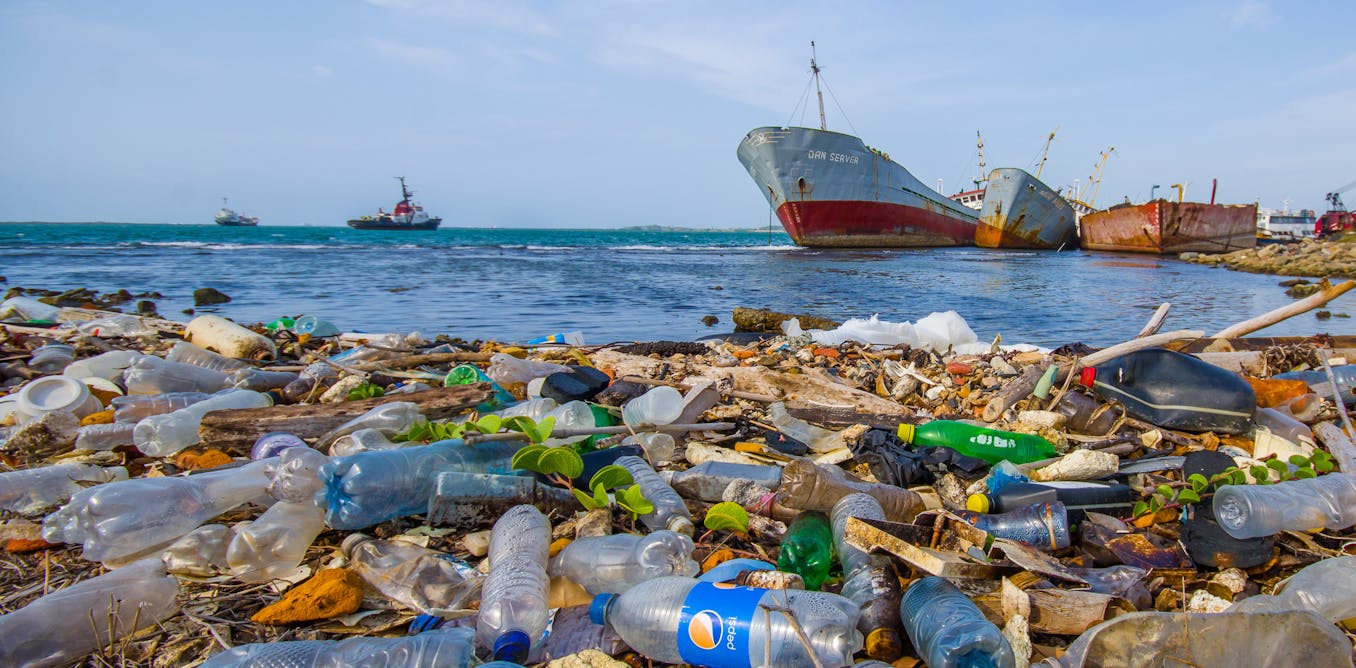
United Nations negotiations aimed at delivering the first legally binding global treaty on plastic pollution ended in Geneva on 15 August without agreement, after delegates were unable to bridge divisions over production limits, controls on hazardous chemicals and financing for developing countries.
Talks ran into overtime after ten days of formal sessions. The chair, Ecuador’s Luis Vayas Valdivieso, adjourned the meeting with a pledge to reconvene at a later date, drawing muted applause from delegates. France’s ecology minister, Agnès Pannier-Runacher, told the closing session she was “enraged” that the meeting produced “no tangible results”. South Africa’s representative said “the current process will not work”. Colombia’s delegate, Haendel Rodriguez, said a small number of states had blocked progress, while the U.S. delegate, John Thompson of the State Department, declined to comment as he left the venue.
The Geneva meeting was the resumed fifth session of the Intergovernmental Negotiating Committee (INC-5.2), following five earlier rounds since the UN Environment Assembly mandated negotiations in 2022. More than 1,000 delegates representing about 184 countries attended. A previous round in Busan, South Korea, in December 2024 also closed without a deal, leaving substantial text to be resolved in Geneva.
Divisions centred on whether the treaty should include measures to cap virgin plastic production—tied to petroleum, coal and gas feedstocks—or focus primarily on downstream waste management and recycling. The European Union and a coalition of small island developing states advocated production limits as part of a lifecycle approach. Petrochemical-producing countries and the United States under President Donald Trump opposed binding caps, according to delegates, a stance cited by supporters of limits as a key reason for the stalemate.
Two draft texts circulated in Geneva failed to command consensus. According to participants, the latest version removed explicit production caps and softened language on chemicals of concern, drawing criticism from countries and civil society groups seeking stronger measures. Several negotiators also questioned whether the committee’s consensus-only practice is sustainable, noting that a small number of hold-outs can stall progress when timelines are compressed.
The United Kingdom and several other countries said talks should resume. European Union representatives described the process as difficult but maintained that a comprehensive agreement is necessary to address transboundary impacts of plastic pollution. United Nations Environment Programme Executive Director Inger Andersen said the outcome fell short of expectations but that “people want a deal”. No date has been set for further negotiations.
At issue is the scope and legal architecture of a treaty expected to set global obligations across the plastics value chain. Provisions under discussion include controls on polymers and additive chemicals; product-design requirements; extended producer responsibility; measures on problematic and avoidable plastics; and financial and technical support for lower-income countries. Disagreement over financing modalities and access to technology remained unresolved, with developing states seeking dedicated funding windows, concessional finance and clearer commitments on technology transfer.
The negotiations are taking place against a backdrop of rising plastic production and waste. Proponents of production limits argue that downstream measures alone cannot bend the curve of pollution, given projected growth in resin output and the persistence of microplastics in ecosystems. Opponents of caps say accelerated improvements in collection, recycling and product standards can deliver reductions without constraining industrial feedstocks.
Civil society groups expressed disappointment at the lack of a deal but welcomed the rejection of what they viewed as a weak outcome. The Global Alliance for Incinerator Alternatives said “no treaty is better than a bad treaty”, reflecting a position among campaigners that any agreement must include measures to curb production and address toxic substances to be effective.
With no agreement on text or on a timetable for the next session, the immediate path forward is uncertain. Some delegations proposed informal consultations to narrow options on production measures, chemicals and financing before a formal reconvening. Others raised the possibility of reviewing negotiating modalities, including whether to maintain consensus-only decision-making for procedural steps. For now, the process remains open, with member states expected to consider proposals from the chair on when and how to resume the talks.
EU Green Goals in Jeopardy as Member States Lag Behind on Key 2025 Targets