Berlin has responded with an unmistakable message of resilience after one of the darkest episodes in the city’s recent history, as political leaders, police and citizens sought to reassure the public that extremist violence will not define Germany’s future.
The attack, which unfolded during the capital’s Christopher Street Day Pride celebrations, left one person dead and dozens injured after a vehicle was driven into crowds before the suspect allegedly continued the assault with a bladed weapon. German authorities have identified the incident as a suspected Islamist terrorist attack, describing the alleged perpetrator as a man already known to police because of previous extremist associations.
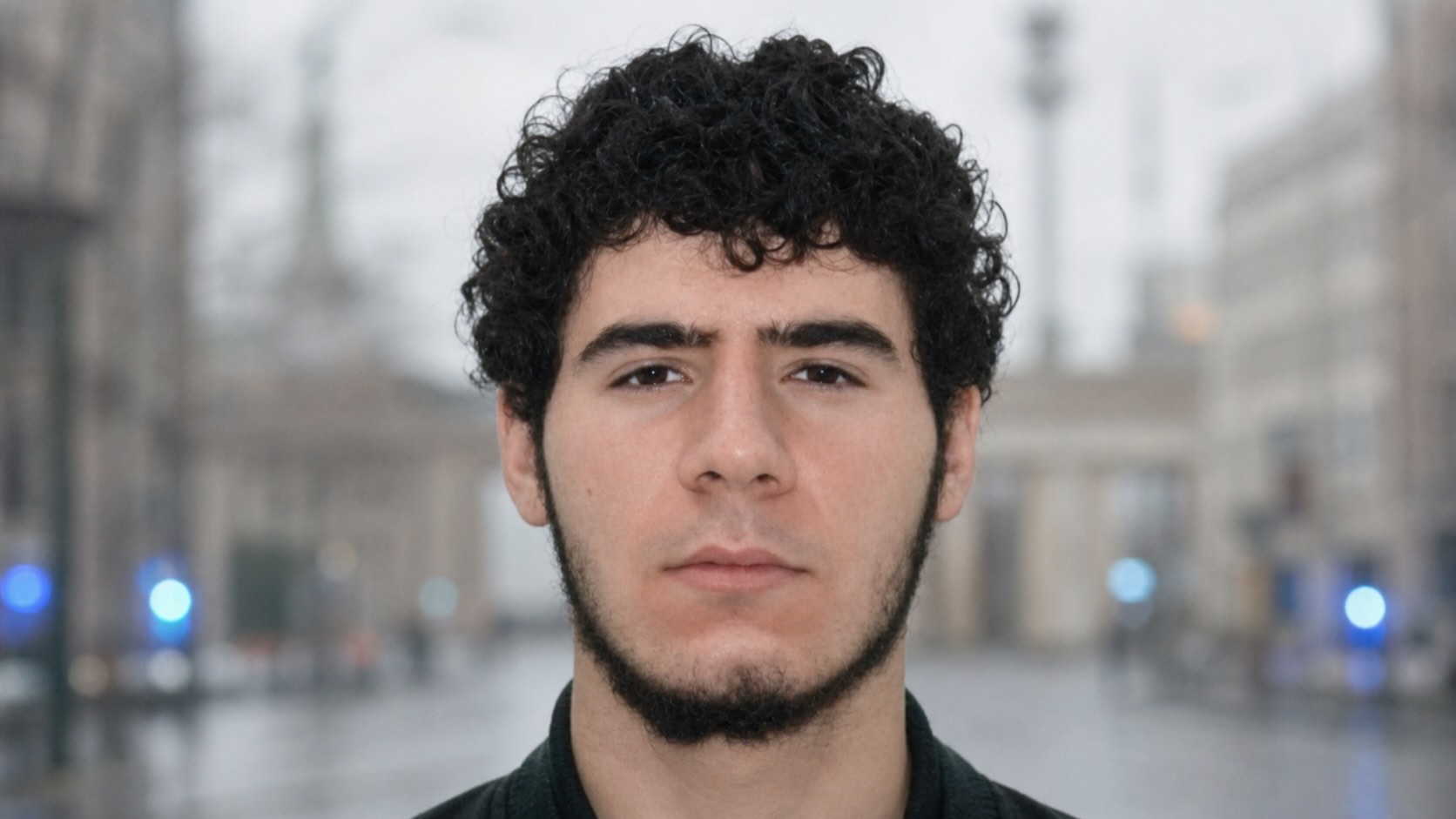
The suspect, initially named as Abdul B, later identified as Abdul Ballout, was a 21-year-old German citizen with Lebanese heritage.
.
He was later located following an extensive nationwide manhunt and was fatally shot after reportedly confronting officers with a weapon. Authorities say he had previous links to Islamist circles and had earlier convictions connected to violent extremist activity.
While the attack has shocked Germany, the response has demonstrated the country’s determination to defend both public safety and its democratic values.
German Chancellor Friedrich Merz described the violence as an attack not simply on those attending the event but on the principles of freedom, tolerance and peaceful coexistence. Berlin Mayor Kai Wegner similarly stressed that the city would not allow terrorism or hatred to undermine its identity as one of Europe’s most open and diverse capitals.
Those sentiments were echoed throughout the weekend as thousands gathered at vigils near the Brandenburg Gate despite heightened security and persistent rain. Rather than retreating from public life, Berliners chose to mourn collectively while demonstrating solidarity with victims and reaffirming their commitment to an inclusive society.
The attack also highlighted the professionalism of Germany’s emergency services. Police, medical teams and firefighters responded rapidly, securing the area, treating casualties and launching an intensive investigation. The subsequent manhunt, involving specialist units and extensive intelligence resources, concluded within hours with the suspect located and neutralised, underlining the capability of Germany’s security institutions to respond decisively to major incidents.
For policymakers, however, the incident is certain to prompt renewed examination of how individuals already known to security services continue to pose threats. Officials have confirmed that the suspect had previously attracted the attention of authorities because of extremist links, raising inevitable questions about monitoring, sentencing and risk assessment.
Those debates are unlikely to diminish Germany’s broader commitment to protecting civil liberties. Instead, many political observers argue they reinforce the need for effective intelligence gathering, robust counter-terrorism capabilities and closer cooperation between federal and regional security agencies.
Berlin’s Christopher Street Day celebrations have long represented more than a cultural festival. They have become a symbol of Germany’s post-war commitment to tolerance, democratic freedoms and individual rights. An attack directed at such an event inevitably carries wider political significance, seeking to intimidate communities far beyond those immediately affected.
Yet history suggests Berlin is a city accustomed to confronting adversity without surrendering its identity. From Cold War division to reunification and more recent security challenges, the capital has repeatedly demonstrated an ability to emerge stronger after moments of crisis.
That resilience was visible once again as residents gathered to remember the victim, support those injured and reject attempts to spread fear.
The wider European implications are also becoming clear. Governments across the continent continue to balance increasingly complex security challenges while preserving open democratic societies. The Berlin attack serves as another reminder that counter-terrorism remains an evolving responsibility requiring sustained investment, intelligence sharing and international cooperation.
Despite the tragedy, Berlin’s response has projected confidence rather than panic. Public officials have consistently framed the attack as an assault on democratic values rather than on any single community, emphasising unity instead of division.
For investors, businesses and international partners, Germany’s institutional response also offers reassurance. The country’s security infrastructure acted quickly, political leadership spoke with unusual unanimity and public confidence remained remarkably resilient in the face of violence.
Ultimately, the strongest message to emerge from Berlin has not been one of fear but of determination. Terrorism seeks to intimidate societies into abandoning their values. The city’s response suggests that, even after profound tragedy, those values remain firmly intact.
__________________________________________________________________________________________________________________
Click here for more News & Current Affairs at EU Today
Click here to check out EU TODAY’S SPORTS PAGE!
___________________________________________________________________________________________________________________