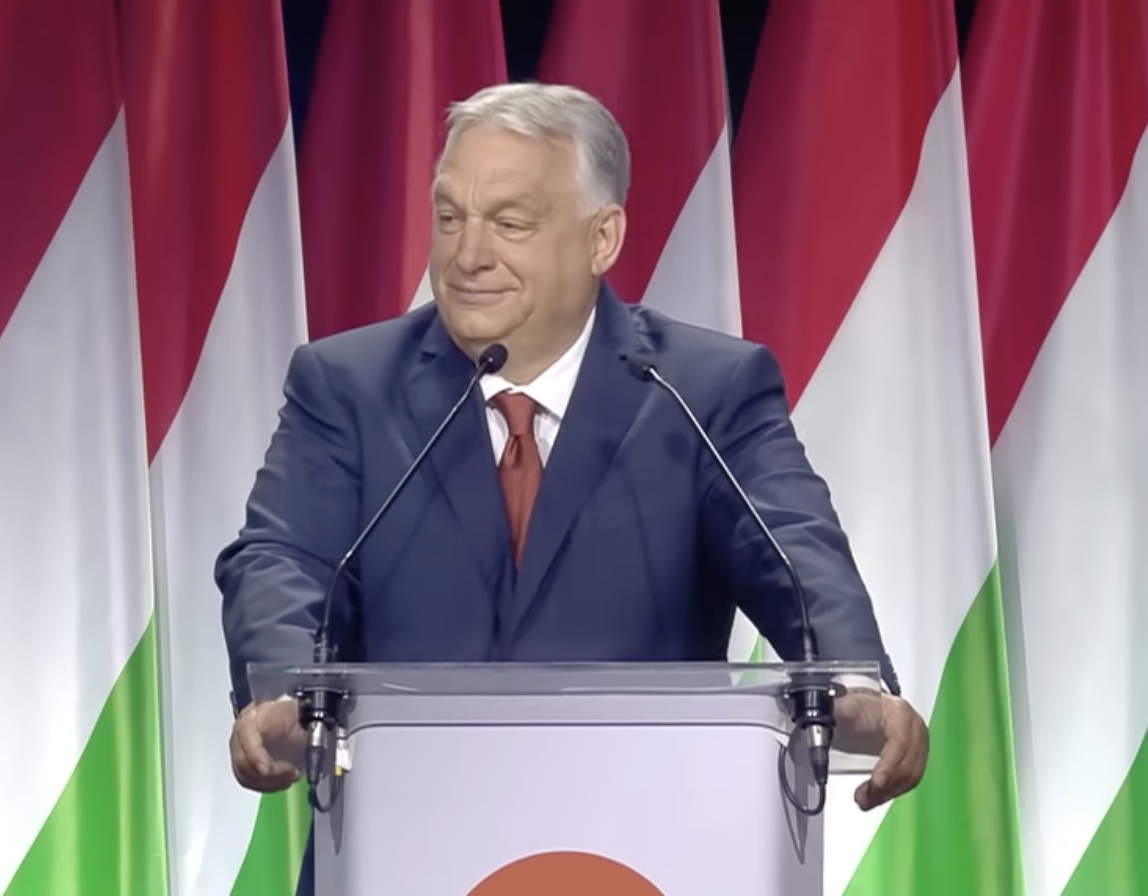
Viktor Orbán has spent much of his political career defying expectations. Over four decades in public life, the Hungarian nationalist has reinvented himself repeatedly: from anti-communist liberal firebrand to Europe’s most influential champion of “illiberal democracy”. Yet even by his standards, his latest political resurrection attempt carries unusual risks.
On Saturday, delegates at a Fidesz party congress overwhelmingly re-elected Orbán as party leader, despite the crushing parliamentary defeat that ended his 16-year grip on power only weeks earlier. The vote, in which 729 of 737 delegates backed him for another one-year term, confirmed that the former prime minister retains an extraordinary hold over the movement he helped build.
The decision offers a revealing glimpse into Hungary’s evolving political landscape. Although Orbán is no longer prime minister, Fidesz remains unwilling — or unable — to imagine itself without its dominant figure.
The circumstances surrounding the leadership renewal are stark. In April, Hungarians delivered one of the most dramatic electoral verdicts in the country’s post-communist history. The centre-right Tisza Party, led by former Fidesz insider Péter Magyar, secured a commanding parliamentary majority, bringing an abrupt end to an era that had shaped Hungary’s domestic institutions and strained its relationships with many European partners.
For Orbán, the defeat represented more than an electoral setback. It challenged the aura of political invincibility that had defined his premiership since returning to office in 2010. During those years, Fidesz reshaped Hungary’s constitutional order, consolidated influence over public institutions and positioned itself as the standard-bearer for a broader nationalist movement that resonated far beyond Hungary’s borders.
Yet political movements built around powerful personalities often struggle with succession. Fidesz appears to be discovering this reality in real time.
Addressing delegates, Orbán reportedly accepted responsibility for the election loss while insisting that retreat was not an option. According to Reuters, he acknowledged the need for organisational renewal as the party adjusts to life in opposition.
That transition may prove more difficult than the leadership vote itself.
Fidesz governed as the dominant force in Hungarian politics for more than a decade and a half. The skills required to wield state power — discipline, message control and electoral mobilisation — do not necessarily translate into effective opposition politics. The party must now redefine its purpose while confronting questions that previously remained suppressed beneath the surface of electoral success.
Those questions extend beyond strategy. Orbán’s critics argue that Fidesz’s highly centralised structure discouraged the emergence of alternative leaders capable of challenging or complementing him. The latest congress result may reinforce that perception. While continuity can offer stability after defeat, it can also delay necessary introspection.
For Tisza and Prime Minister Péter Magyar, Orbán’s continued presence presents both opportunities and complications. The former prime minister remains a potent campaigner with a loyal support base. At the same time, his leadership may make it easier for the government to frame the political contest as one between a reforming administration and the familiar face of the old order.
Beyond Hungary, European capitals will watch developments closely. Orbán’s tenure frequently placed Budapest at odds with Brussels over migration, judicial independence and relations with Russia. His departure from government prompted cautious optimism among some European policymakers that Hungary might adopt a more collaborative approach.
However, Orbán’s re-election as party leader underscores an important reality: political defeats rarely erase political influence overnight.
At 63, he remains one of Europe’s most recognisable political figures. Whether he is orchestrating a comeback or overseeing an orderly transition to a new generation of conservatives remains uncertain. What is clear is that he has chosen not to disappear quietly.
Hungary’s voters have already delivered one verdict. The coming months will determine whether Fidesz under Orbán can convince them that it has absorbed the lessons of defeat — or whether the party’s future ultimately depends on moving beyond the man who once seemed inseparable from it.
Click here for more News & Current Affairs at EU Today
Click here to check out EU TODAY’S SPORTS PAGE!
___________________________________________________________________________________________________________________