When Cyprus assumed the rotating presidency of the Council of the European Union on 1st January 2026, it did so at a moment of acute geopolitical tension and internal European uncertainty.
The subsequent debriefings delivered by Cypriot ministers to European Parliament committees offer a revealing snapshot not only of the presidency’s ambitions, but also of the structural constraints facing any member state tasked with steering the EU’s legislative agenda.
At their core, these committee sessions—spread across a wide array of policy areas from foreign affairs to gender equality—serve as a vital mechanism of democratic scrutiny. Ministers present priorities, Members of the European Parliament (MEPs) probe them, and, in theory, a coherent interinstitutional direction emerges. In practice, the process often exposes the tension between aspiration and deliverability.
A Presidency Framed by Crisis
Cyprus’s presidency operates under the slogan of building “an autonomous Union, open to the world,” a formulation that reflects the EU’s ongoing attempt to reconcile strategic independence with global engagement.
This balancing act is not merely rhetorical. Europe faces a confluence of pressures: the continuing war in Ukraine, instability in the Middle East, economic competition from global powers, and growing internal political fragmentation. Against this backdrop, Cyprus has outlined a programme structured around five central pillars: security and defence, competitiveness, global engagement, social cohesion, and institutional continuity—particularly regarding the next Multiannual Financial Framework.
The committee debriefings reflect these priorities, with ministers appearing before parliamentary committees responsible for constitutional affairs, foreign policy, agriculture, environment, employment, and more. This breadth underscores both the scope of the presidency’s responsibilities and the inherent difficulty of maintaining coherence across such a wide policy landscape.
Security as the Defining Theme
Unsurprisingly, security dominates the Cypriot agenda. This encompasses not only traditional defence concerns but also economic security, migration management, and resilience against hybrid threats such as disinformation.
The presidency has placed particular emphasis on implementing the EU’s Pact on Migration and Asylum, strengthening return mechanisms, and deepening cooperation with third countries. These ambitions were reiterated in committee discussions, especially in justice and home affairs contexts, where migration remains both a political flashpoint and a test of EU solidarity.
Yet here lies a familiar paradox. While presidencies can set agendas and facilitate dialogue, they lack the executive authority to compel agreement among member states. Migration policy, in particular, has repeatedly exposed deep divisions within the Union. Cyprus, despite its frontline experience with migration flows, must navigate these divisions rather than resolve them outright.
Economic Security and Competitiveness
A second major strand of the presidency’s programme is economic security—an increasingly prominent concept in EU policymaking. This includes safeguarding supply chains, protecting critical infrastructure, and addressing dependencies on external actors.
Cyprus has pledged to advance the EU’s Economic Security Strategy, including more coordinated use of trade and investment tools. The emphasis on “weaponised dependencies” reflects a growing recognition in Brussels that economic policy can no longer be divorced from geopolitical considerations.
However, translating this awareness into concrete policy is fraught with difficulty. Member states retain divergent economic interests and varying levels of exposure to global markets. The presidency can encourage alignment, but it cannot eliminate these structural differences.
Climate, Water and Environmental Resilience
One of the more distinctive aspects of Cyprus’s agenda is its focus on water resilience—a policy area that has gained urgency amid climate change and resource scarcity.
By elevating water security to a strategic priority, Cyprus is attempting to broaden the EU’s conception of resilience beyond energy and defence. This reflects both the Mediterranean perspective—where water scarcity is an immediate concern—and a wider recognition that environmental stressors can have profound economic and political consequences.
In committee discussions, this theme intersects with broader environmental and public health priorities, illustrating the increasingly cross-cutting nature of EU policymaking. Yet again, the challenge lies in moving from strategic framing to legislative action, particularly in areas where competence is shared between EU and national levels.
Democracy, Disinformation and Institutional Integrity
Another notable priority is the defence of democratic institutions, particularly in the face of disinformation and foreign interference. Cyprus has committed to advancing initiatives such as the EU Democracy Package and strengthening media literacy.
This reflects a growing anxiety within European institutions about the resilience of democratic systems. The inclusion of this theme in multiple committee discussions—from constitutional affairs to culture—highlights its transversal importance.
Yet the EU’s track record in this domain is mixed. Efforts to regulate online platforms, counter disinformation, and safeguard electoral processes have often been slow and contested. The presidency can accelerate discussions, but it cannot bypass the complex legislative process or the sensitivities surrounding national sovereignty.
The Limits of the Rotating Presidency
The committee debriefings also serve as a reminder of the structural limitations of the rotating presidency itself. While Cyprus chairs Council meetings, sets agendas, and mediates between member states, its tenure lasts only six months.
This temporal constraint inevitably favours continuity over radical change. Many of the initiatives highlighted in the debriefings—migration reform, economic security, climate resilience—are long-term projects that extend well beyond a single presidency.
Moreover, Cyprus is part of a “presidency trio” with Poland and Denmark, designed to ensure some degree of policy continuity. While this arrangement mitigates short-termism, it also dilutes the ability of any one presidency to leave a distinct imprint.
Parliament as a Counterweight
The European Parliament’s role in these debriefings is not merely procedural. By questioning ministers and scrutinising priorities, MEPs act as a counterweight to the Council’s intergovernmental dynamics.
This interaction is particularly significant given the evolving political landscape within the Parliament itself. Increasing fragmentation and the rise of issue-based coalitions make consensus-building more complex, but also more reflective of Europe’s diverse political realities.
The committee sessions, therefore, are not just about information exchange; they are part of a broader negotiation over the EU’s direction. They reveal the friction between national priorities and collective European interests—a tension that lies at the heart of the Union.
Ambition Meets Reality
The Cyprus presidency’s debriefings to European Parliament committees provide a comprehensive overview of its ambitions: a more secure, competitive, and resilient European Union, capable of navigating an increasingly volatile global environment.
Yet they also highlight the enduring constraints of EU governance. The presidency can set priorities, facilitate dialogue, and inject momentum into policy debates. What it cannot do is overcome the fundamental structural challenges of the Union: divergent national interests, complex legislative procedures, and the sheer scale of the issues at hand.
In that sense, Cyprus’s presidency is both typical and instructive. It illustrates the EU at its most aspirational—articulating a vision of autonomy and openness—while also revealing the incremental, often painstaking process through which that vision must be realised.
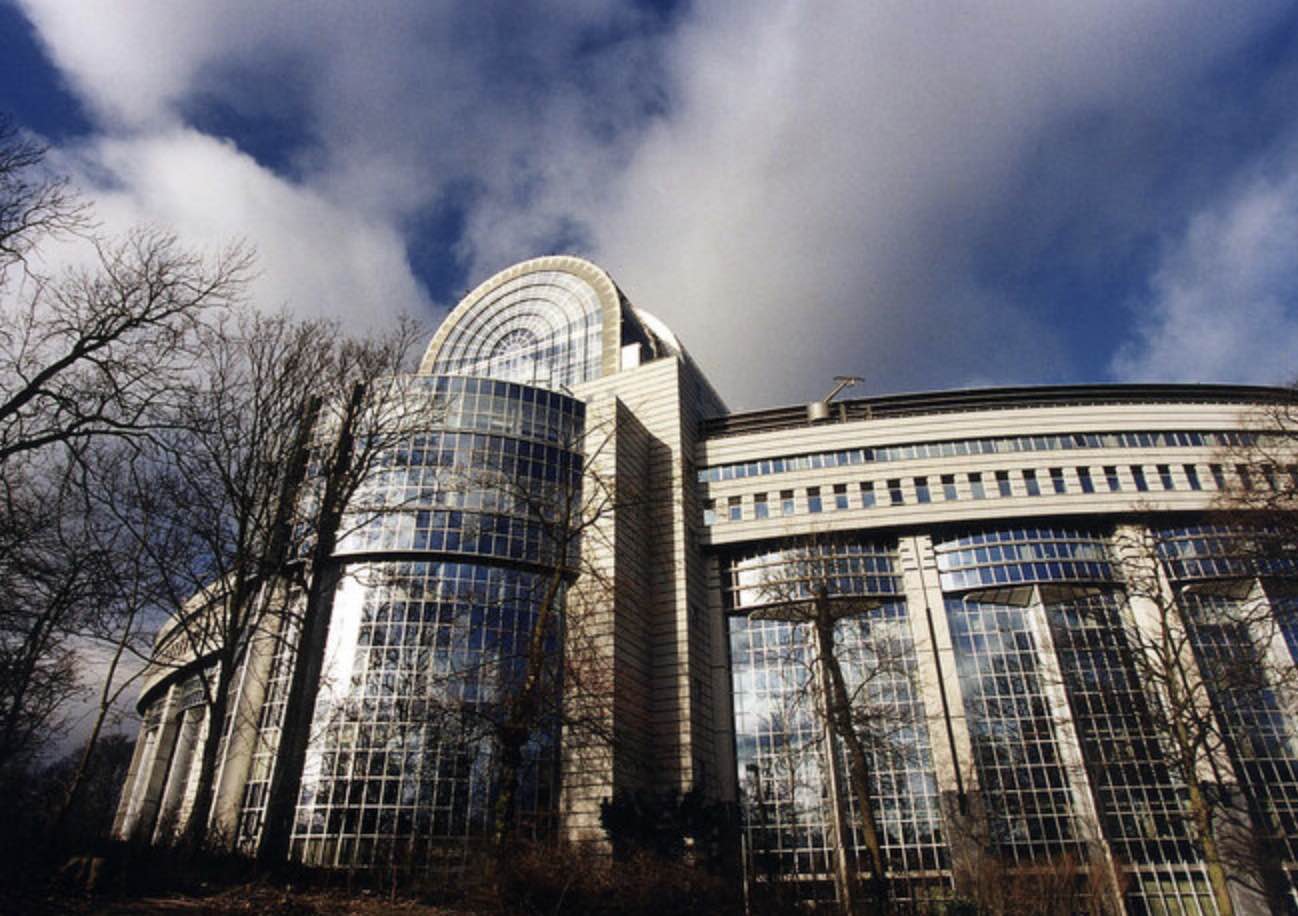
Main Image: © European Union 2000 – EP
_______________________________________________________________________________________________________________________
Click here for more News & Current Affairs at EU Today
Click here to check out EU TODAY’S SPORTS PAGE!
_______________________________________________________________________________________________________________________