The European Union is preparing changes to energy taxation that would require member states to tax electricity at a lower rate than natural gas, as Brussels looks for ways to reduce household bills and accelerate the move away from fossil fuels.
A draft European Commission proposal, expected to be published on 22 July, would amend EU energy-tax rules so that electricity becomes cheaper relative to gas. The planned changes, outlined in a draft energy-tax proposal, are intended to encourage households, businesses and industry to shift more quickly towards electric heating, transport and industrial processes, while reducing Europe’s exposure to volatile oil and gas markets.
The proposal comes as the EU faces renewed energy-price pressure linked to the war involving Iran and disruption in Middle East energy markets. Europe has already spent years trying to reduce its dependence on Russian fossil fuels following Moscow’s full-scale invasion of Ukraine. The latest pressure on oil and gas prices has sharpened a familiar problem: European consumers and companies remain vulnerable to external shocks in imported energy.
The Commission’s draft would not impose one single tax rate across the bloc. National governments would continue to set rates. However, they would be required to ensure that electricity is taxed less heavily than natural gas. The principle is politically simple but technically difficult: if Brussels wants citizens to buy heat pumps, electric vehicles and electrified industrial equipment, electricity cannot remain structurally more expensive than the fuels it is supposed to replace.
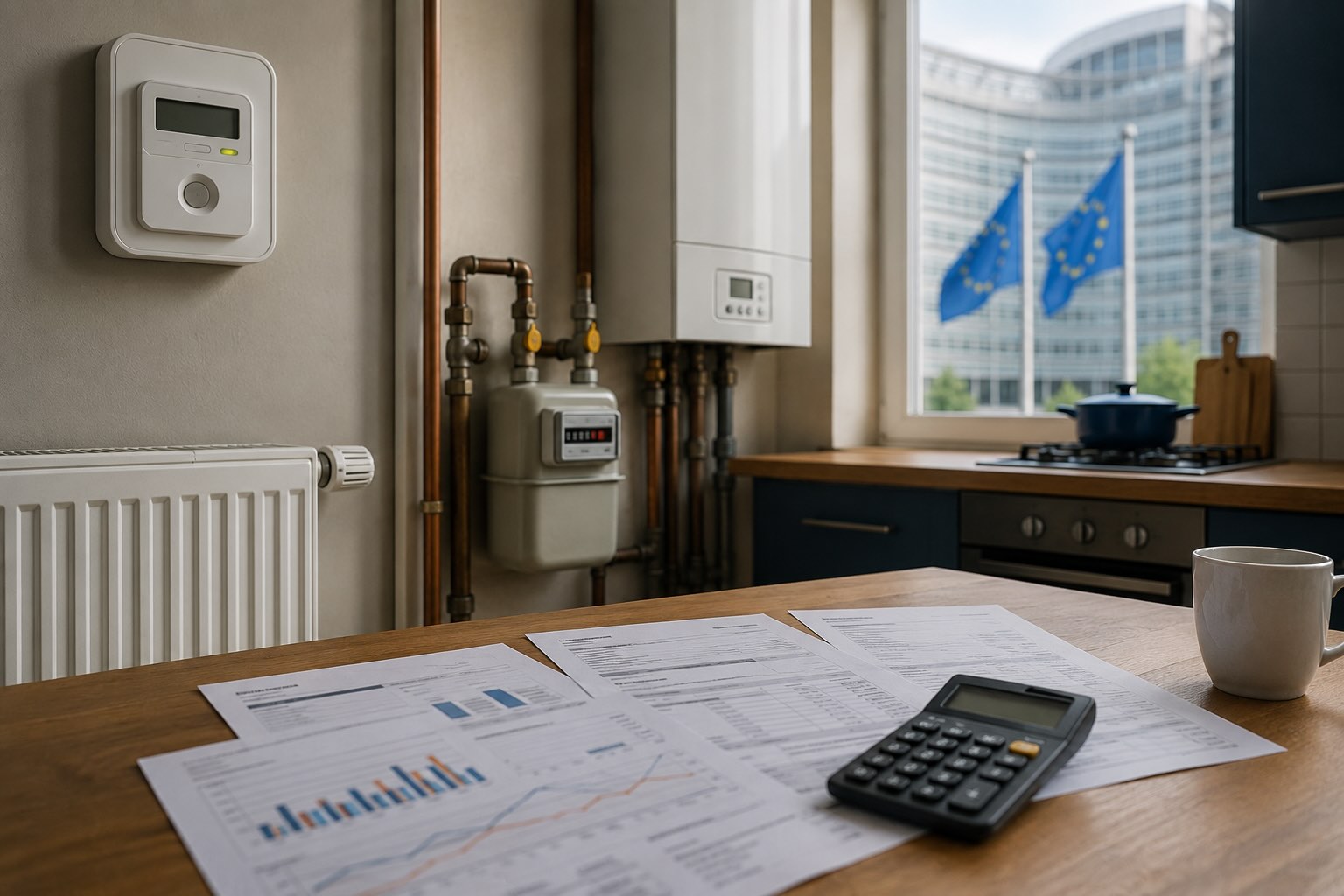
The proposal also looks beyond tax rates. According to the draft, Brussels wants to encourage more “system-friendly” use of electricity, including wider use of smart meters and flexible tariffs. The Commission is aiming for smart meters to reach 50 per cent of customers by 2030, allowing more consumers to benefit from cheaper electricity when demand is lower or renewable generation is higher.
This is not a narrow energy-market adjustment. It goes to the centre of Europe’s industrial and social policy debate. Electricity prices affect household budgets, industrial competitiveness, heating decisions, electric-vehicle uptake and the viability of clean technologies. In several EU countries, taxes, levies and network charges remain a large part of final electricity bills, leaving consumers with limited benefit even when wholesale prices fall.
The political challenge is that energy taxation remains closely guarded by national governments. Tax decisions inside the EU have traditionally required unanimity, meaning each member state can block proposals affecting fiscal policy. Some governments are expected to resist any attempt by Brussels to push through changes under a faster legal route, warning that this could set a precedent for wider EU involvement in national tax decisions.
That legal and political dispute may become as important as the substance of the proposal. Countries with high electricity taxes may face pressure to lower them, but they will also have to account for lost revenue. Governments that rely on energy taxation to finance budgets, social schemes or climate-related programmes may resist changes unless they are compensated elsewhere.
The Commission’s argument is that current tax structures can work against the EU’s own energy goals. In some cases, electricity is taxed more heavily than gas, even though EU policy is designed to promote electrification and reduce fossil-fuel use. That creates a contradiction: citizens are encouraged to switch technologies, but price signals do not always support the switch.
The plan also reflects a wider change in Brussels’ response to energy crises. During the 2022 gas shock, the EU relied on emergency gas-storage rules, demand reduction, subsidies and efforts to replace Russian supplies. The current approach appears more structural. Rather than only cushioning prices after a crisis, the Commission wants to change the underlying incentives that shape household and industrial energy choices.
For industry, the proposal will be judged by whether it can reduce operating costs quickly enough to matter. European manufacturers have repeatedly warned that high energy prices weaken their position against competitors in the United States and Asia. Lower electricity taxation could help sectors that can electrify production, but it will not solve problems caused by grid congestion, slow permitting, high network costs or uneven access to cheap power.
For households, the effect will depend on national implementation. A lower tax burden on electricity could reduce bills directly, but only if governments pass the benefit through and do not offset it with other charges. The impact will also vary between countries with different energy mixes, tax systems and levels of electrification.
The proposal is therefore likely to open a wider argument about who pays for Europe’s energy transition. Lower electricity taxes may support consumers and clean technologies, but governments will still need to finance grids, storage, generation capacity and social protection for vulnerable households.
Brussels is presenting the shift as a way to align energy prices with strategic priorities. The political test will be whether member states accept that logic when it reaches their tax systems. The draft suggests the EU wants to move from emergency energy relief towards permanent price restructuring. Whether capitals agree may determine how quickly Europe can reduce its dependence on imported fossil fuels — and how much of the cost is passed on to households and industry.